
Global Fertilizer Supply Shifts as Indonesia Steps Up to Fill Geopolitical Gaps
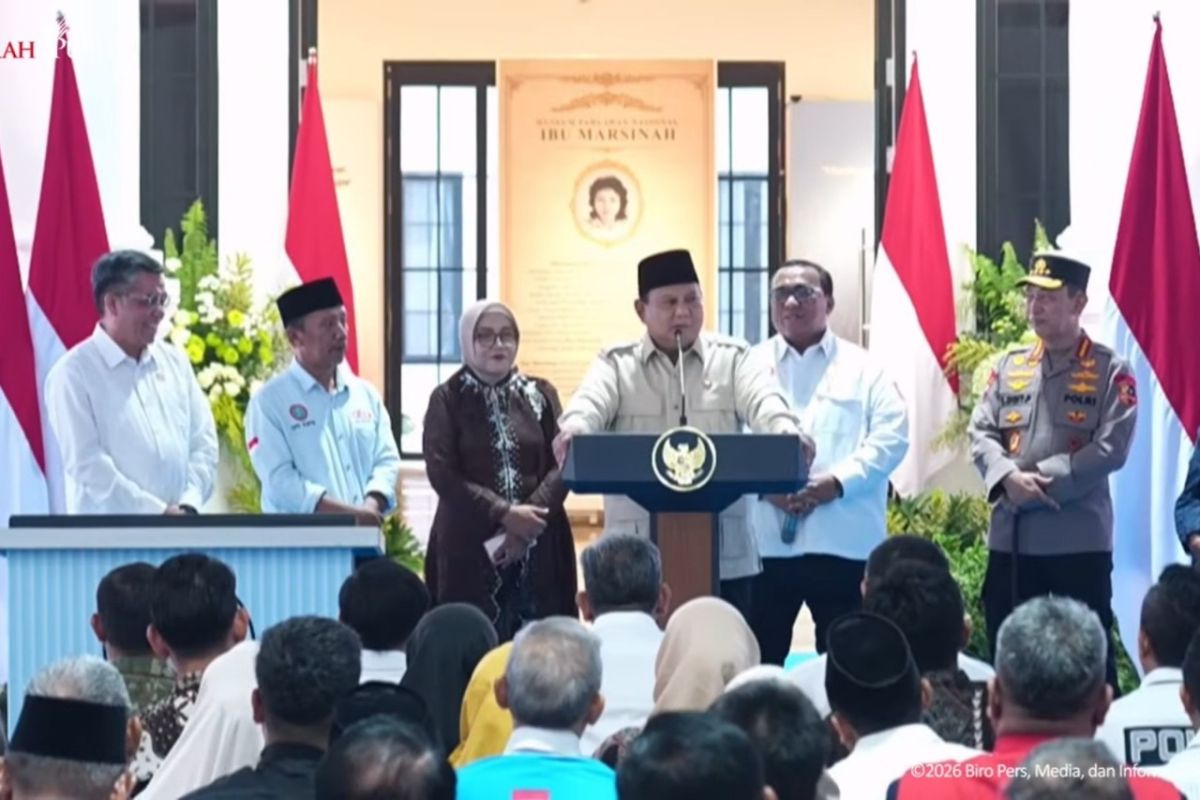
The geopolitical shockwaves that have disrupted global supply chains over the past few years continue to reshape the agricultural input market. According to recent statements from Indonesian President Prabowo Subianto, an increasing number of countries are turning to Indonesia for assistance in securing essential fertilizer supplies. This shift comes as the agricultural sector worldwide grapples with the protracted consequences of conflicts, particularly those affecting traditional fertilizer powerhouse regions in Eastern Europe.
For European farmers, who have endured significant volatility in the prices of nitrogen, phosphorus, and potassium fertilizers since 2022, the emergence of alternative major suppliers is a critical development. The disruption of established trade routes from countries like Russia and Belarus forced the global market into a frantic search for reliable alternatives, leading to dramatic spikes in input costs that squeezed farm margins across the continent.
Indonesia, possessing a robust state-backed fertilizer industry led by entities such as PT Pupuk Indonesia, is strategically positioned to capitalize on this global supply deficit. The country is a major manufacturer of urea, ammonia, and NPK complex fertilizers, primarily utilizing its significant domestic natural gas reserves. Expanding its export footprint could provide a much-needed buffer for the tightly constrained international market.
However, while increased production and export willingness from Southeast Asia present a positive macro-economic signal, the direct impact on European farm gates depends heavily on logistical factors. Freight costs, port infrastructure, and international trade agreements will dictate how much Indonesian fertilizer ultimately reaches the fields of Germany, Poland, or Romania, and at what final price point compared to North African or Middle Eastern alternatives.
Context for farmers: The diversification of global fertilizer origins away from conflict zones helps stabilize long-term availability and pricing. While shipping from Indonesia to Europe involves higher freight costs, the injection of additional volume into the global market prevents severe shortages and tempers extreme price spikes during crucial planting seasons.
— agronom.work editorial team