
Global Food Prices Reach Three-Year Peak Amid Supply Chain Vulnerabilities
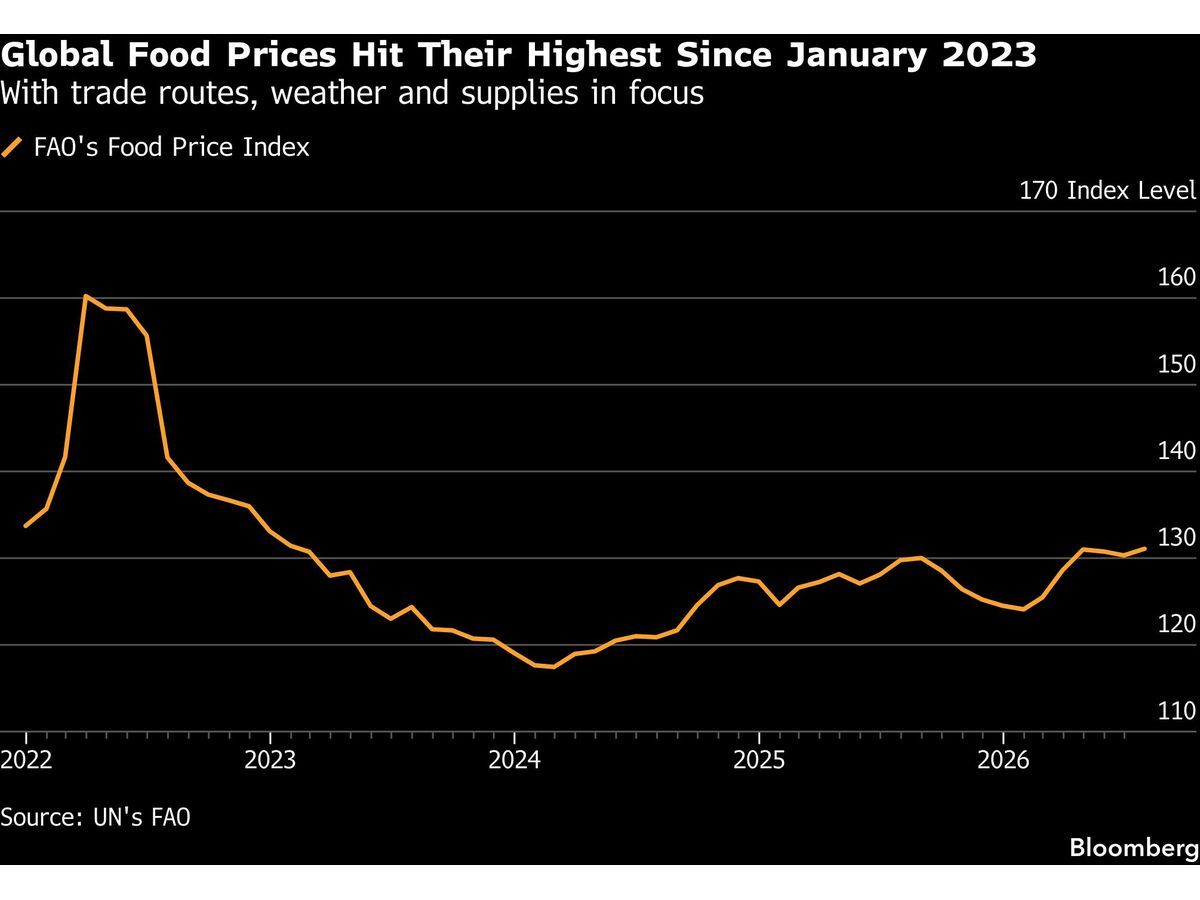
Global food prices have climbed to their highest level in three years, driven by a convergence of supply chain bottlenecks, geopolitical instability, and erratic weather patterns. For the agricultural sector, this upward trajectory in commodity values brings both increased revenue potential and heightened operational risk.
The rising price environment is being fueled by uncertainty surrounding vital grain export corridors and poor harvest prospects in several key producing regions. This has caused a ripple effect, making it difficult for farm managers to hedge against price volatility while simultaneously managing the escalating costs of fertilizers and fuel, which often track commodity trends.
European farmers are particularly exposed to these fluctuations. As global food security concerns mount, the focus turns toward regional crop yields and the ability of local infrastructure to compensate for international supply disruptions. This creates a challenging landscape for planning the upcoming planting and harvesting cycles.
Furthermore, the volatility in the commodities market is forcing a rethink of storage and logistics strategies. With supplies tighter and demand remaining high, there is a distinct premium on local efficiency and high-quality crop production that can meet the stringent requirements of a sensitive European market.
What this means for the market: Farmers should leverage current price strength to lock in forward contracts while carefully monitoring input price hikes, as market volatility may persist due to ongoing geopolitical threats to transport routes. Diversification in storage and local distribution channels can mitigate the risk of broader logistics failures.
— agronom.work editorial team