
Monsoon Deficits and Sowing Delays in India Demand Attention from Global Grain Markets
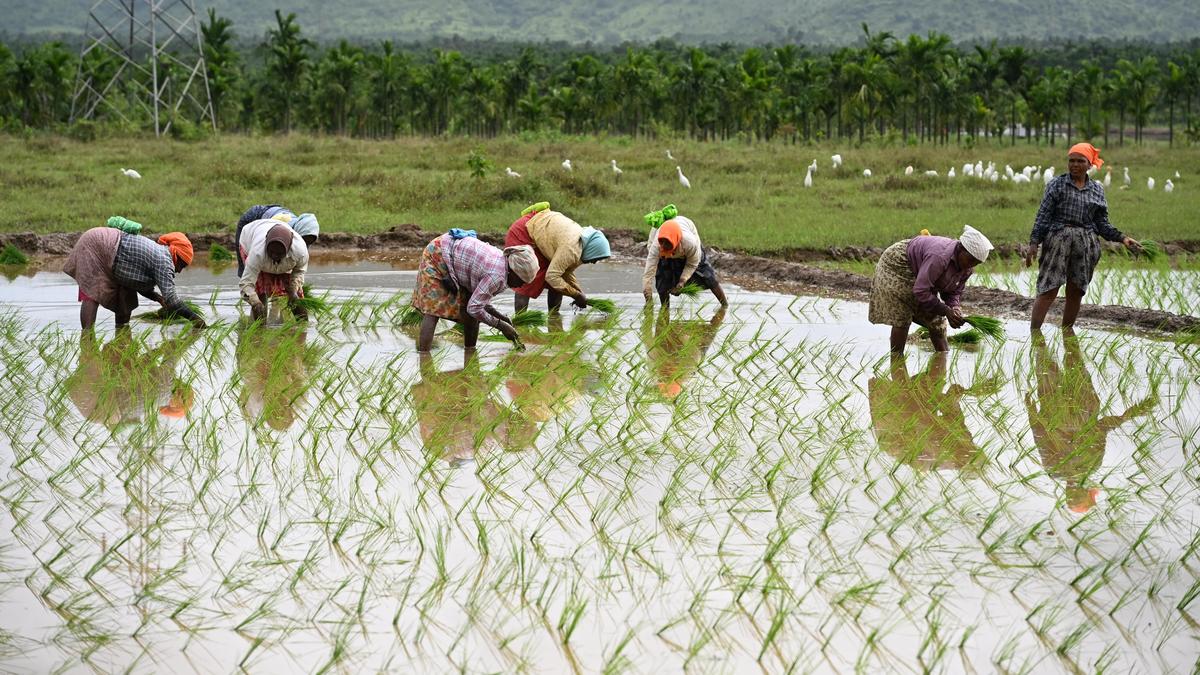
Recent agricultural reports highlighting weaker sowing trends for rice, maize, and coarse cereals in major production regions serve as an important indicator for international commodity markets. While localized weather phenomena like El Niño primarily affect domestic cycles in South Asia, the resulting supply fluctuations frequently ripple across global supply chains. For European grain traders, feed manufacturers, and large-scale agricultural enterprises, shifts in Asian production volumes can quickly translate into altered export demands and price volatility on international exchanges.
The current agricultural season has faced challenges due to erratic rainfall deficits and delayed monsoon progression. In cereal-producing regions, adequate and timely precipitation is critical during the initial establishment phases of major summer crops. When sowing operations lag behind multi-year averages, the final harvest potential declines, forcing domestic markets to adjust reserves. For agronomists and farm managers monitoring global fundamentals, tracking these overseas climate impacts is a vital part of anticipating fertilizer, feedstuff, and grain price trends ahead of the European harvest and export windows.
Beyond immediate crop yields, weather-induced agricultural setbacks in major producing nations tend to influence broader macroeconomic indicators, including agricultural input inflation and logistics costs. When grain and feed ingredients face tightening supplies, procurement prices for European livestock producers and poultry integrators can experience upward pressure. Furthermore, volatility in global cereal markets affects everything from compound feed formulations to industrial processing costs, impacting farm gate economics well beyond the borders of the affected regions.
For agritech specialists and precision farming developers, these global supply vulnerabilities underscore the growing importance of advanced climate modeling and early-warning analytics. Modern farm management software increasingly integrates global meteorological and trade data to help European agricultural businesses hedge against input price shocks. Anticipating how weather anomalies in one hemisphere alter fertilizer demand and grain values allows farm enterprises to optimize their procurement and marketing strategies well in advance.
What this means for the market: While European cereal and maize growers operate within distinct regional supply-demand dynamics, international monsoon deficits and shifting Asian sowing data can significantly influence global commodity price baselines. Farm managers and grain traders should monitor international market tightness as an early indicator for potential feed cost fluctuations and export opportunities.
— agronom.work editorial team