
Global Rice Market Tightens as Indian Export Prices Surge
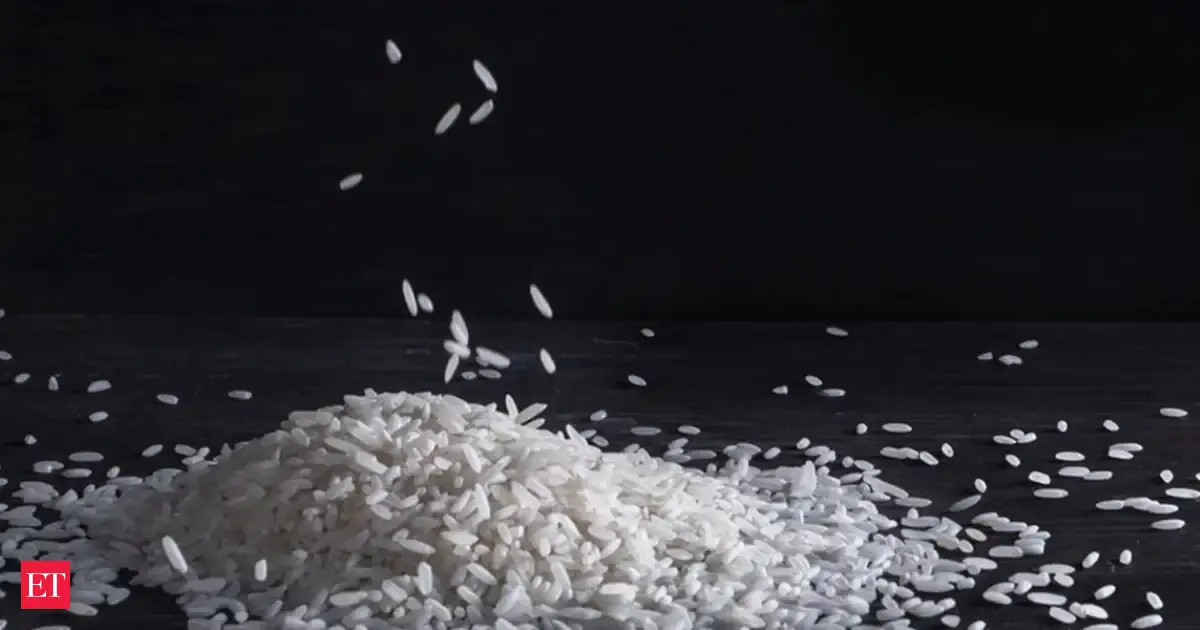
Global rice markets are feeling the ripple effects of India's recent policy shifts, with export prices climbing for three consecutive weeks. The primary driver is a strategic increase in the reserve price set under the government's Open Market Sale Scheme (OMSS), which effectively sets a higher floor for domestic and export pricing. As one of the world's largest rice exporters, India's internal policy adjustments almost immediately impact the cost of global food staples.
Simultaneously, environmental pressures in the broader Asian region are compounding supply concerns. Recent heavy flooding in Bangladesh has severely affected agricultural land, with over 28,000 hectares of crops reported as damaged. While Europe is not a major producer of tropical rice varieties, the tightening global supply typically forces a shift in consumption patterns, often driving up the demand for alternative cereals and wheat products, which are key crops for European farmers.
Thai exporters are also observing a period of cautious stagnation. Traders in Thailand are adopting a wait-and-see approach, concerned that current climate variability, particularly potential monsoon fluctuations, could further impact harvest volumes. When Asian supply tightens, the reliance on other major global grain-producing hubs becomes more pronounced, potentially impacting export demand for European barley and corn.
For European agribusinesses, this situation highlights the vulnerability of global food chains to localized weather events and regional government policies. While European farmers focus on domestic production, shifts in global commodity prices often affect the cost of inputs and fertilizers, which are frequently linked to the global performance of other agricultural commodities.
What this means for the market: As global rice supply tightens due to policy and climate factors, European farmers should anticipate increased volatility in global cereal prices, which can influence the profitability of domestic grain exports and the cost of imported feed. Monitoring these global trends is essential for hedging risks in the upcoming planting season.
— agronom.work editorial team