
Global Diesel Shifts Push Supply Chains and Farming Costs Higher
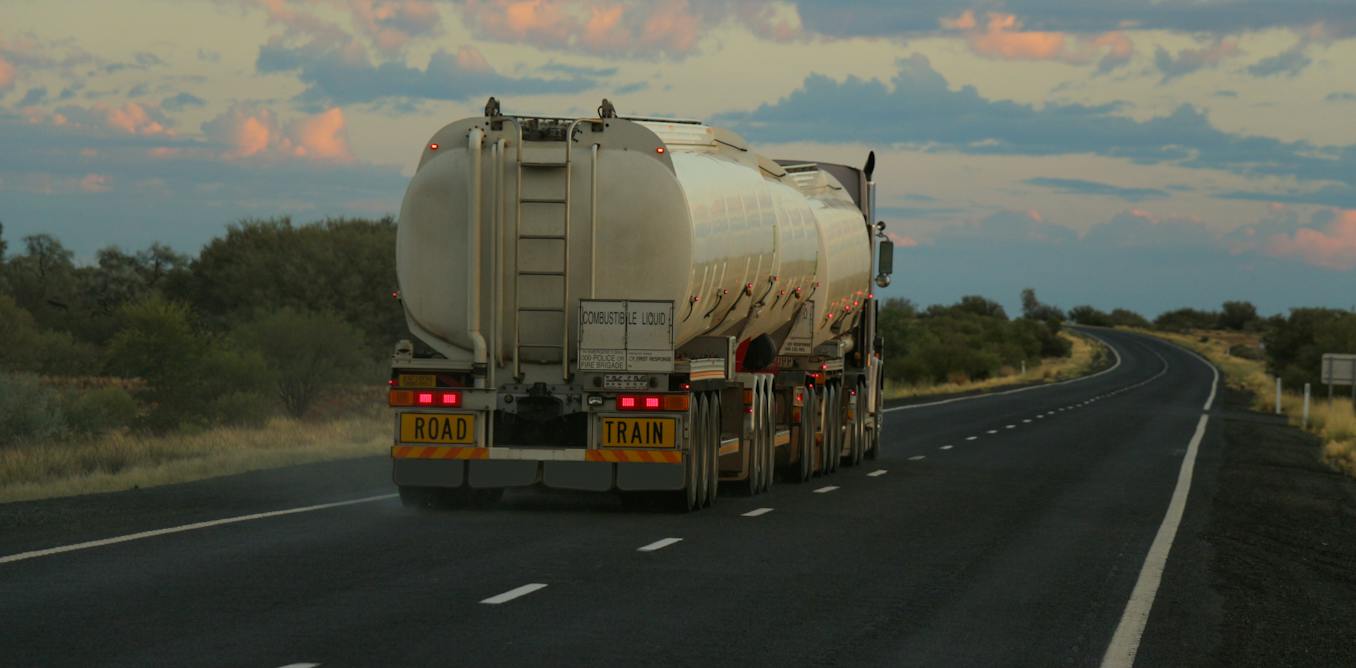
Modern agriculture is fundamentally dependent on diesel fuel, from the tractors tilling fields and self-propelled sprayers treating crops to heavy combine harvesters gathering yields and trucks hauling produce to export terminals. When global fuel supply chains face sudden geopolitical disruptions, the ripple effects hit primary producers hard. Recent shifts in international trade routes have forced major importing nations to look for alternative fuel origins, stretching maritime logistics and increasing acquisition costs.
As traditional supply hubs in the Middle East and Russia face operational bottlenecks, export restrictions, or outright embargoes, nations heavily reliant on imported refined products must pivot toward more distant suppliers. This reliance on extended maritime corridors introduces heightened vulnerability to freight rate volatility, shipping delays, and maritime security risks. For the agricultural sector, which operates on tight seasonal windows, any uncertainty in fuel availability directly threatens field operations during critical periods like sowing and harvesting.
Refined fuel markets operate on a delicate global balance, meaning that a regional shortage or redirection of cargoes anywhere in the world quickly shifts local pump prices. When wholesale diesel prices surge, farm operating margins absorb the blow immediately. Contracting fuel futures or securing bulk delivery contracts becomes significantly more expensive, compounding pre-existing financial pressures from elevated fertilizer and seed costs.
In response to these volatile energy markets, agronomists and farm managers across Europe and other major agricultural regions are increasingly prioritizing fuel efficiency. Practices such as minimized tillage, optimized machinery pathing using RTK-GPS guidance systems, and timely maintenance of fuel injection systems help curb consumption. Additionally, the gradual integration of alternative fuel machinery and electric or hybrid utility vehicles offers a long-term hedge against petroleum price spikes.
What this means for the market: Escalating diesel costs and fragile supply chains directly squeeze farm net margins, pushing up overall operational and food transportation expenses. Growers must factor higher fuel expenditure into their seasonal budgeting and aggressively adopt precision farming efficiencies to mitigate rising overhead.
— agronom.work editorial team