
Global Fertilizer Supply Shock: How the Middle East Conflict is Driving Up Urea and DAP Demand
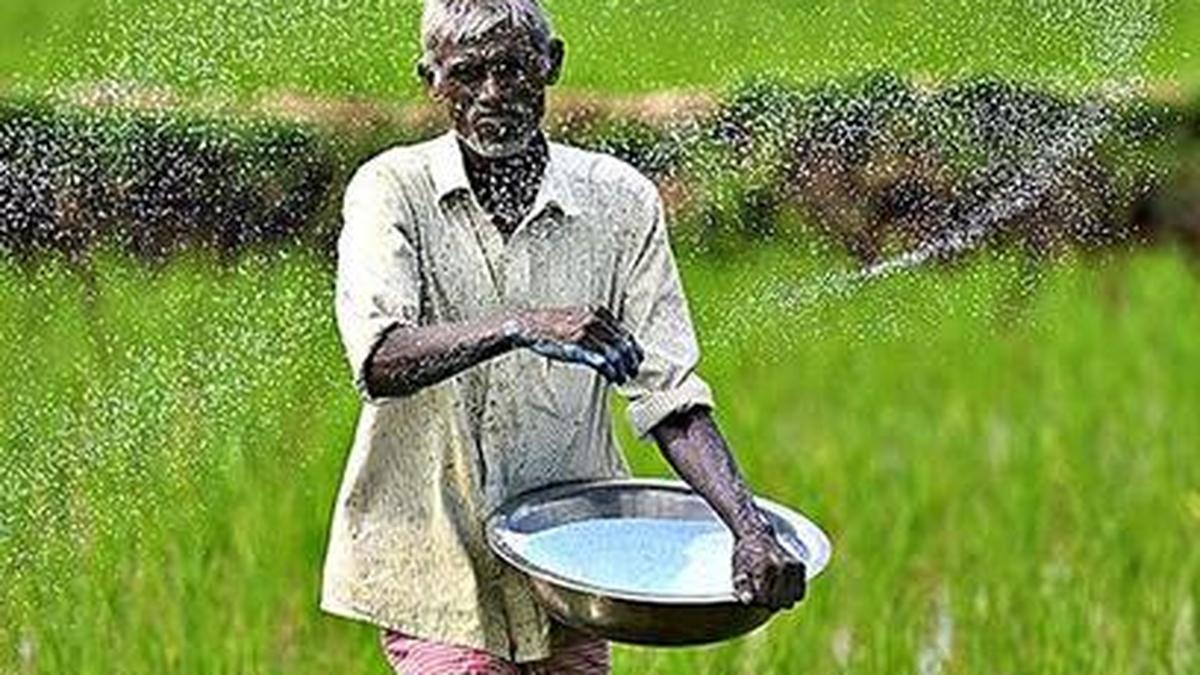
The recent geopolitical conflict involving Iran has sent immediate shockwaves through the global agricultural supply chain, particularly in the critical markets for Urea and Diammonium Phosphate (DAP). While the physical disruptions are concentrated in the Middle East, the ripple effects are rapidly destabilizing global fertilizer availability. The situation serves as a stark reminder of how deeply interconnected global agricultural inputs are, with any disruption to key shipping corridors or energy supplies immediately triggering global market anxiety.
The most glaring evidence of this market panic is currently unfolding in India, one of the world's largest fertilizer consumers. Recent data from March and April 2026 reveals a massive, unseasonal spike in Urea and DAP sales across major agricultural powerhouses like Maharashtra, Punjab, Haryana, and Karnataka. Driven by fears of a prolonged supply drought, farmers and distributors have engaged in aggressive hoarding, completely bypassing standard purchasing cycles.
This sudden surge in demand has exposed the structural fragility of rigid administrative controls. India's highly digitized, land-record-linked subsidy scheme—designed to ration and control fertilizer distribution—has effectively broken down under the weight of market anxiety. When farmers perceive a genuine threat to their crop yields due to missing inputs, digitized rationing systems fail to insulate domestic agriculture from geopolitical realities, leading to a rapid vacuuming of available stocks.
For European farmers across Poland, Germany, Ukraine, and the Netherlands, this massive diversion of global fertilizer stocks is a critical warning signal. Europe relies on a delicate balance of domestic nitrogen production—which is highly sensitive to natural gas prices—and imported phosphorus and potassium. When massive agricultural economies like India start aggressively securing global DAP and Urea supplies, the immediate result is a tightened global market, leading to inevitable price hikes and delayed shipments at European ports.
Context for farmers: European farm operators should closely re-evaluate their crop nutrition budgets for the upcoming season, as the tightening global supply will likely inflate local Urea and DAP prices. Securing early purchasing contracts and increasing the use of precision application technologies to maximize fertilizer efficiency will be essential to protect profit margins against these global shocks.
— agronom.work editorial team