
Global Surge in Organic Manure Highlights Shift Towards Sustainable Soil Management
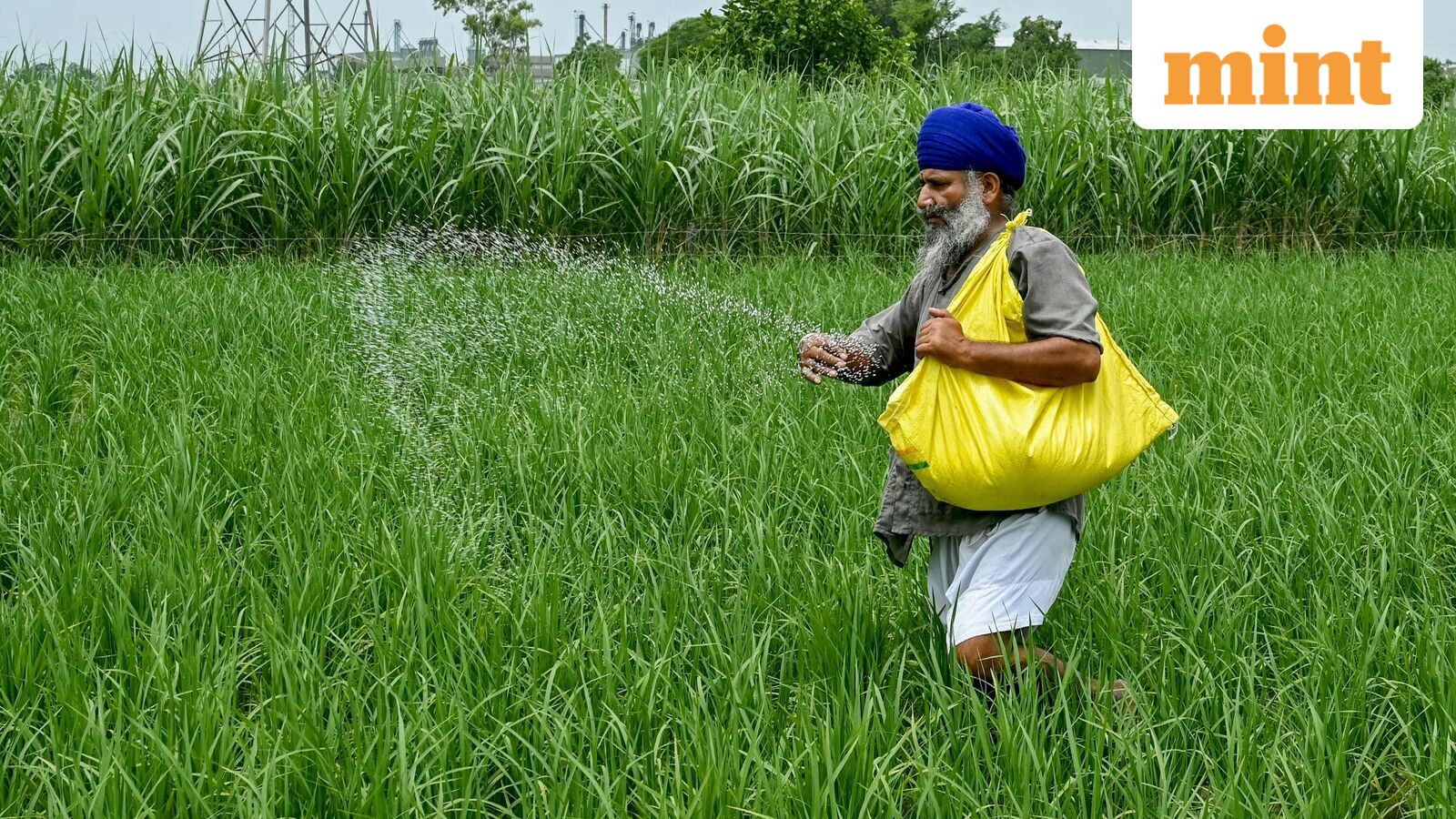
A dramatic shift in fertilizer strategies is unfolding globally, highlighted by a staggering 3.5-fold increase in organic manure purchases ahead of the recent planting seasons. Driven by mounting concerns over deteriorating soil health, unpredictable weather patterns, and global supply chain vulnerabilities, farmers are fundamentally rethinking their approach to crop nutrition. This surge represents more than just a temporary pivot; it signals a growing recognition that conventional synthetic inputs must be balanced with sustainable, organic alternatives to maintain long-term viability.
At the core of this transition is the undeniable degradation of soil quality following decades of intensive chemical farming. Agronomists have long warned that relying exclusively on synthetic fertilizers depletes soil organic carbon over time, leading to compacted soils and diminished microbial activity. As a result, farmers are noticing that chemical inputs are no longer yielding the same proportional crop responses. By reintroducing organic manure, producers are actively working to rebuild the biological foundation of their fields, enhancing nutrient cycling and overall soil structure.
The increasing frequency of erratic weather patterns, such as the weak precipitation forecasts that triggered the recent buying surge in Asia, further underscores the agronomic value of organic matter. Manure significantly improves the soil's water-holding capacity, acting as a vital sponge during periods of drought and reducing runoff during heavy rains. For farmers operating in regions susceptible to prolonged dry spells—a challenge increasingly common across European agricultural zones as well—this improved moisture retention can be the difference between a successful harvest and a critical yield loss.
Beyond agronomic benefits, economic and geopolitical factors are accelerating the adoption of organic fertilizers. Persistent fears surrounding the stability and pricing of the global synthetic fertilizer supply chain have prompted agricultural ministries worldwide to promote natural farming initiatives. By substituting a portion of their chemical requirements with locally sourced or commercially processed organic manure, farm operations can effectively hedge against market volatility and reduce their exposure to sudden price spikes in imported inputs.
While the most dramatic spikes in manure purchasing have been recorded in Asian markets during specific sowing seasons, the underlying agronomic principles resonate strongly with the current trajectory of European agriculture. As the European Union tightens environmental regulations and incentivizes eco-schemes through the Common Agricultural Policy (CAP), the integration of organic amendments is becoming standard practice. For modern farm managers, this balanced nutrient strategy offers a pragmatic path forward, merging the immediate availability of synthetic fertilizers with the long-term regenerative benefits of organic soil management.