
Glyphosate Under Fresh Scientific Scrutiny as New NIH Reviews Spark Safety Debates
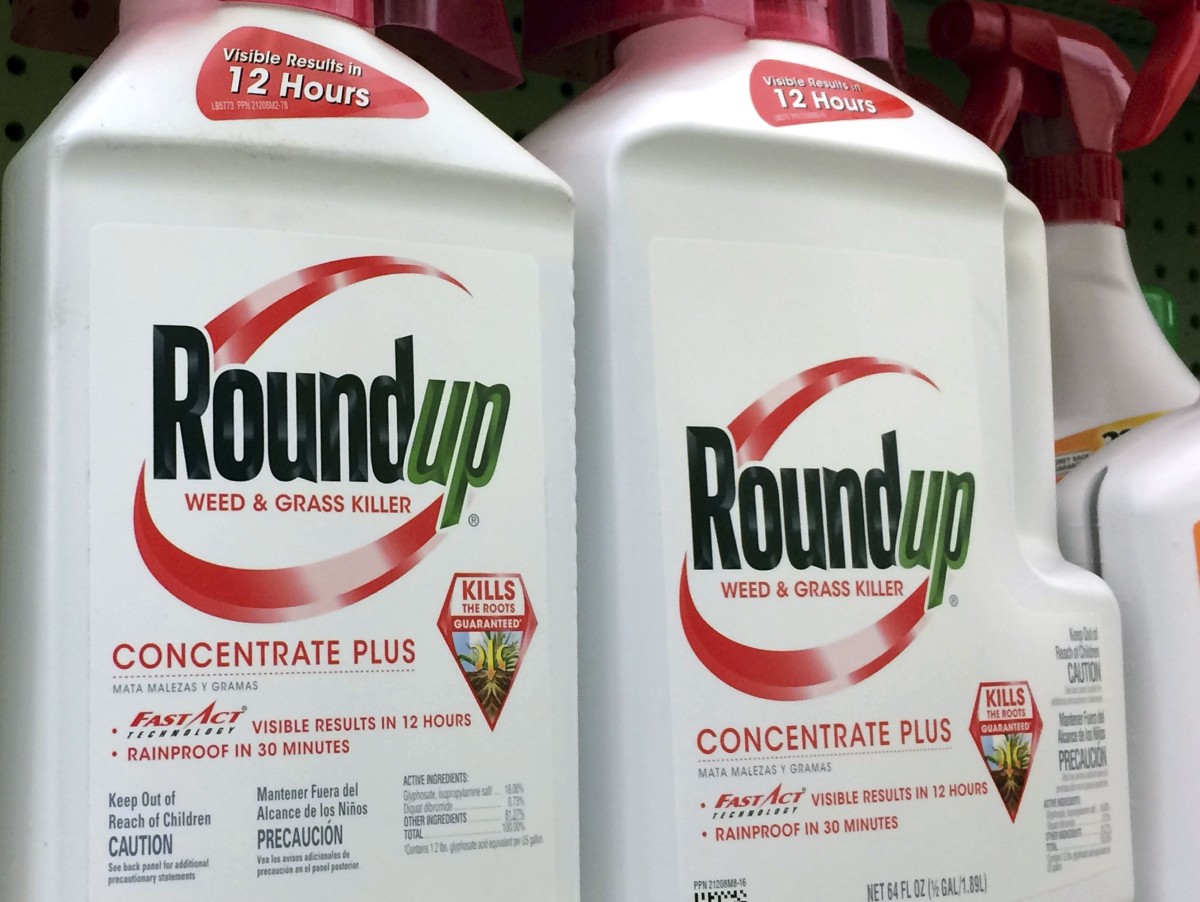
Agrochemical safety debates have reignited across global farming regions following new analyses from the U.S. National Institutes of Health. The reviews place renewed focus on glyphosate, the primary active ingredient in Roundup and countless generic non-selective weed killers relied upon by grain, oilseed, and specialty crop producers worldwide.
These preliminary findings, released ahead of formal peer review, arrive at a critical juncture. The U.S. Environmental Protection Agency is currently reevaluating the chemical and gathering public input on its safety profile. For decades, glyphosate has been a cornerstone of minimum-tillage and no-till farming systems, helping agronomists manage stubborn weeds while preserving soil structure and moisture.
In Europe, where regulatory oversight of plant protection products is already exceptionally stringent, any shift in the scientific consensus around glyphosate carries immense weight. Member states under the European Food Safety Authority framework have repeatedly debated the substance's renewal, balancing its efficacy in cereal and orchard management against long-term environmental and health considerations.
For farm operators and agricultural enterprises, regulatory uncertainty surrounding staple chemicals creates significant planning challenges. Shifts in authorization status can alter crop protection budgets, necessitate rapid transitions to alternative mechanical or biological weed management strategies, and impact overall farm productivity across major agricultural hubs from Poland to the Netherlands.
What this means for the market: While these NIH reviews are still undergoing peer review and do not immediately alter current spray authorizations, they signal potential future regulatory tightening. Agronomists and farm managers should proactively evaluate integrated weed management plans and diversify control methods to mitigate long-term operational risks.
— agronom.work editorial team