
GM Crops Emitting Isoprene Could Revolutionize Natural Pest Control
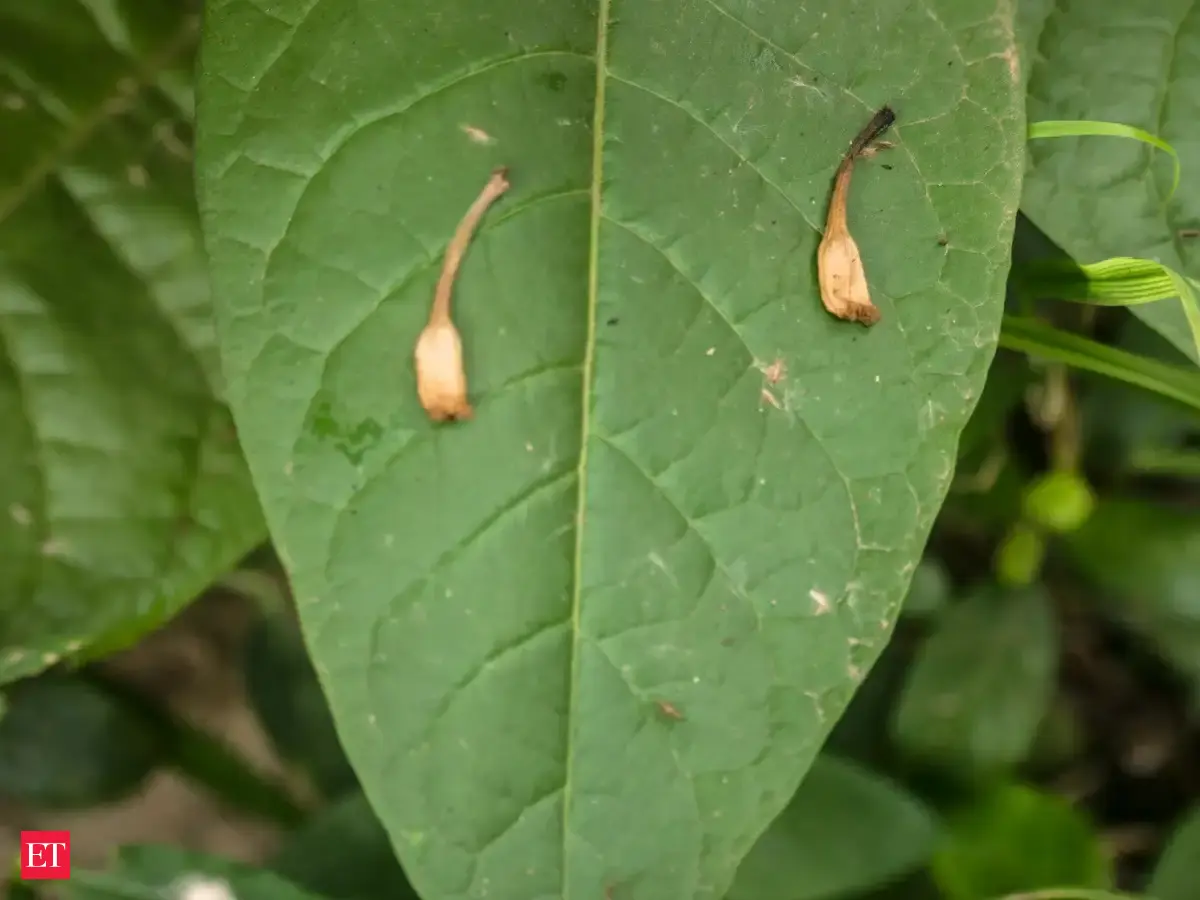
Plant protection in modern agriculture relies heavily on synthetic insecticides and complex integrated pest management strategies. However, innovative research from Michigan State University points toward a novel biological mechanism that could change how agronomists approach herbivorous pests. Scientists have been studying genetically modified plants engineered to continuously emit isoprene, a volatile organic compound naturally produced by many tree species to cope with environmental stress.
During greenhouse trials, researchers observed unexpected behavior among common agricultural pests. Whiteflies systematically avoided genetically modified tobacco plants that emitted isoprene, while heavily infesting standard control varieties. Further investigation revealed that when hornworms fed on the isoprene-emitting leaves, their growth was significantly stunted after just ten days compared to control groups, indicating reduced nutritional value and active deterrence.
The underlying mechanism involves the plant's internal signaling pathways. When exposed to isoprene emissions, the plants synthesize specific defense hormones that alter leaf chemistry, making the foliage significantly less digestible for chewing and sucking insects. Interestingly, this trait is not entirely foreign to mainstream crops; researchers noted that certain traditional soybean varieties already possess a latent, unexpressed ability to produce isoprene when stressed.
For crop protection specialists and agritech developers, this discovery opens up intriguing possibilities for breeding resilient crop varieties. While commercializing genetically modified traits involves rigorous regulatory pathways in regions like the European Union, utilizing natural biochemical defense mechanisms could eventually reduce reliance on chemical inputs. Enhancing endogenous isoprene production could help field crops naturally fend off destructive defoliators without requiring external pesticide applications.
As research moves from controlled greenhouse environments to broader field trials, agronomists will be watching to see how this trait performs under real-world weather and pest pressure. Integrating such metabolic traits into staple European and global crops could represent a major milestone in sustainable agronomy, offering farmers built-in biological protection against yield-robbing insects.