
Greece Allocates €38.1 Million to Support Livestock Farmers Against Disease Outbreaks
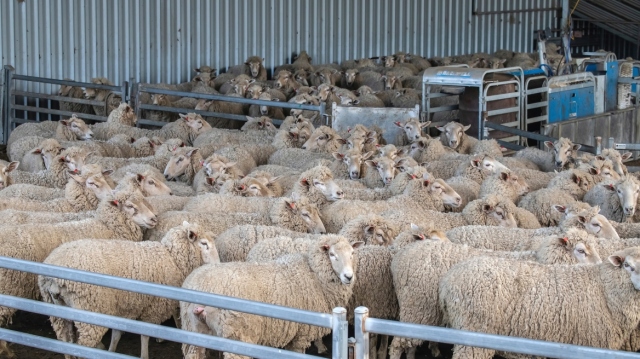
The Greek Ministry of Rural Development and Food has confirmed an allocation of €38.1 million to support livestock farmers facing significant losses due to animal disease outbreaks. The financial assistance package is specifically designed to cover the economic consequences of dealing with sheep and goat pox, Peste des Petits Ruminants (PPR), and foot-and-mouth disease.
The funding serves as a safety net for producers who were forced to implement mandatory culling of their herds. In addition to the direct loss of livestock, the program accounts for the disruption of production and the subsequent loss of income that occurred during the first six months of 2026 as farmers struggled to manage quarantine protocols and movement restrictions.
For European livestock sectors, these outbreaks represent more than just individual farm losses; they indicate the ongoing pressure of transboundary animal diseases. PPR, often called 'sheep and goat plague,' is a highly contagious viral disease that poses a severe threat to food security and the livelihoods of pastoral communities across the Mediterranean and beyond.
European veterinary authorities have been increasingly vigilant, as the movement of livestock and wildlife continues to challenge containment efforts. The Greek government's move highlights the necessity of state intervention to stabilize the rural economy when biological threats interrupt the delicate balance of the meat and dairy supply chain.
Context for farmers: This compensation serves as a vital signal for livestock owners regarding the importance of strictly adhering to government notification protocols during disease outbreaks. While individual financial loss is significant, immediate reporting is the primary mechanism that triggers this level of state-backed relief, protecting the long-term viability of the farm business.
— agronom.work editorial team