
Avian Influenza Strikes Midwest Poultry and Texas Dairy Herds Amid Biosecurity Concerns
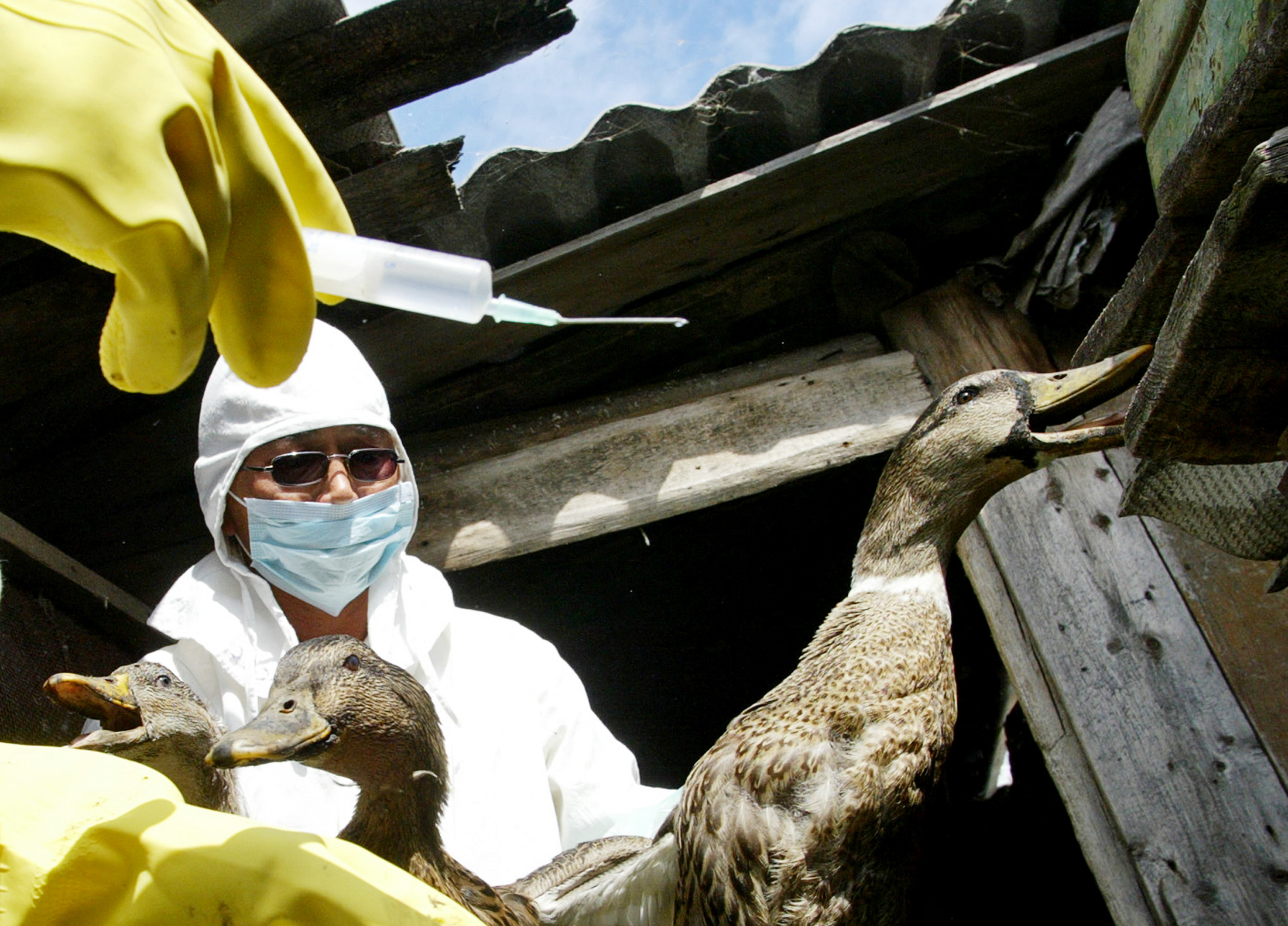
Recent federal reports confirm that the highly pathogenic avian influenza (H5N1) virus has struck commercial livestock and poultry facilities across the United States. New cases were officially detected at a major duck operation in Indiana, a turkey farm in Minnesota, and a dairy herd in Texas. These developments underscore the persistent viral pressure facing agricultural producers, particularly as migratory bird flyways remain active and operational biosecurity protocols face continuous testing.
For dairy and poultry farmers operating in Europe and North America alike, these incidents highlight the critical vulnerabilities in intensive animal husbandry systems. The transmission of H5N1 into dairy cattle herds represents a complex epidemiological challenge, as the virus has demonstrated an ability to adapt beyond traditional avian species. Farm managers must contend with the realities of cross-species contamination, where movement of equipment, personnel, and shared feed sources can inadvertently facilitate viral spread between distinct livestock sectors.
Operational responses on modern farms increasingly demand rigorous hygiene standards, restricted visitor access, and enhanced personal protective equipment for workers handling symptomatic animals. In regions dealing with active outbreaks, state and federal authorities frequently enforce quarantine zones, movement restrictions, and mandatory testing protocols. These measures, while necessary for disease containment, can cause significant logistical bottlenecks and financial strain for farm businesses trying to maintain daily milking or processing schedules.
Beyond immediate farm-level disruptions, prolonged disease pressures can influence regional supply chains, livestock valuations, and trade restrictions. Poultry producers face the constant threat of depopulation orders should the virus infiltrate their barns, leading to severe inventory losses and temporary market volatility. Similarly, dairy operations managing positive herds experience milk yield drops and strict withholding protocols, impacting farm revenue and raising operational costs related to veterinary oversight and diagnostic testing.
Agricultural extension services and veterinary bodies continue to urge heightened surveillance, emphasizing that early detection remains the most effective tool for limiting transmission. Producers are advised to review their biosecurity checklists, secure feed stores against wild birds, and monitor herd and flock health closely as seasonal weather shifts influence viral persistence in the environment.
What this means for the market: Persistent H5N1 outbreaks in major livestock and poultry regions elevate operational costs and tighten biosecurity compliance, directly impacting farm margins and supply chain stability. Producers must prioritize strict on-farm containment and workforce safety to mitigate the financial risks of potential quarantines or production losses.
— agronom.work editorial team