
H5N1 Bird Flu Hits Australia: Biosecurity Alert for Global Poultry Sectors
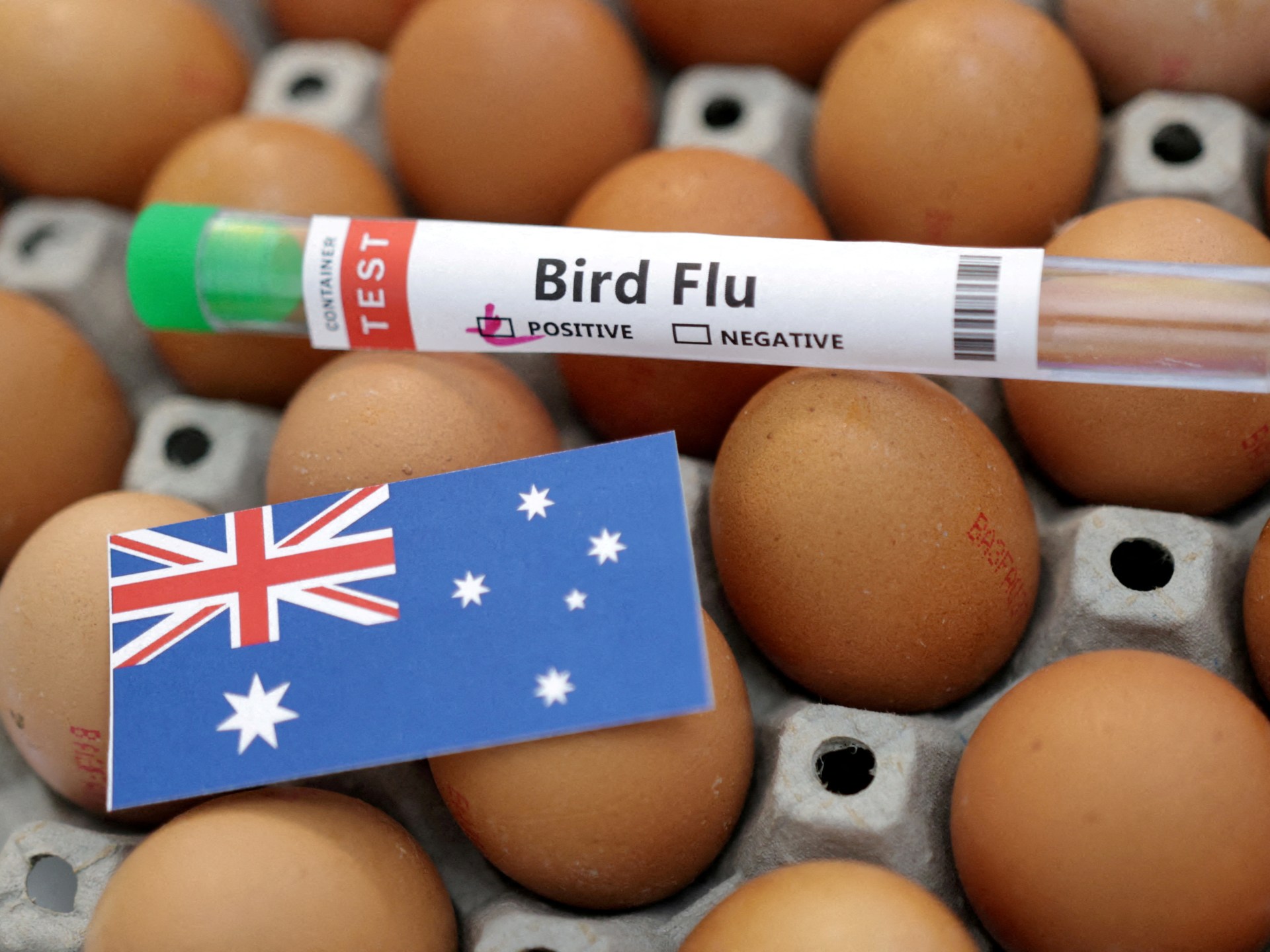
Australia has confirmed its first mass mortality event linked to H5N1 avian influenza, with reports of nearly 50 greater crested terns found dead or sick off the coast near Adelaide. While this specific incident involves seabirds, the entry of this highly pathogenic strain into the Australian ecosystem serves as a stark reminder of the virus's relentless global expansion.
For European farmers and poultry producers, the Australian situation reinforces the reality that no region remains truly isolated. Migratory flyways act as natural corridors for the virus, and the emergence of H5N1 in previously unaffected areas suggests that surveillance protocols must remain at their peak. The virus, which has already devastated wild bird populations and commercial poultry sectors across Europe, continues to challenge existing containment strategies.
Current agricultural biosecurity measures, such as the indoor housing orders frequently seen in the Netherlands, France, and Germany, are based on the assumption that wild birds are the primary vector. The Australian event confirms that as long as migratory species are moving, the risk to domestic flocks remains a constant variable that requires rigorous daily monitoring of flock health and strict site access controls.
Veterinary authorities are now closely monitoring for potential spillover into terrestrial wild bird populations. In a commercial context, any shift in the virulence or host range of the virus can lead to sudden changes in market access and international trade restrictions, which frequently impact export-heavy European poultry markets.
Context for farmers: The detection of H5N1 in new geographies serves as a critical reminder to maintain year-round strict biosecurity, regardless of the season. Producers should proactively audit their feed protection systems and wildlife-deterrence measures to minimize any contact between domestic poultry and wild waterfowl that may carry the virus.
— agronom.work editorial team