
H5N1 Bird Flu Spreads to Oregon Dairies as Pacific Northwest Outbreak Deepens
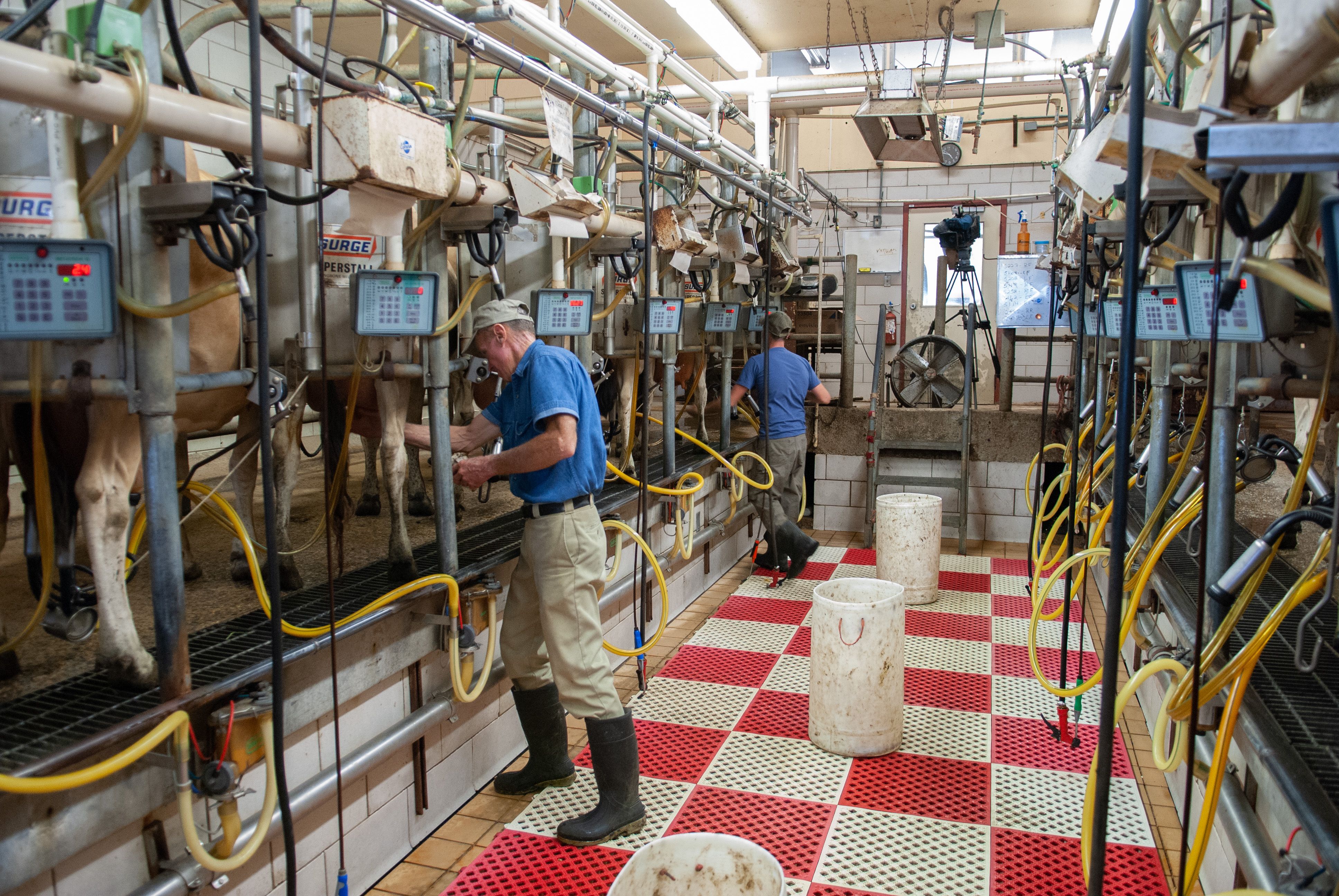
The detection of highly pathogenic avian influenza (H5N1) in an Oregon dairy herd marks a significant geographic expansion of the virus within the Pacific Northwest agricultural sector. Federal and state laboratories confirmed the positive test from a farm in Morrow County, adding another state to the growing list of regions dealing with bovine cases. This development mirrors the persistent epidemiological trends seen in neighboring Washington state, where the infected dairy herd count has steadily climbed to 43.
For dairy farmers and farmworkers, these developments underscore the ongoing vulnerability of livestock operations to wildlife vectors, particularly migratory birds moving along major flyways. The virus spreads primarily through respiratory droplets, contaminated equipment, and the movement of subclinically infected animals. Biosecurity protocols—such as restricting visitor access, quarantining newly introduced cattle, and sanitizing milk transport trucks—remain the primary defense for herd managers seeking to prevent an outbreak.
State and federal veterinary authorities continue to emphasize that the commercial milk supply remains entirely safe for human consumption. Pasteurized milk undergoes rigorous heat treatment that effectively neutralizes both avian influenza and other pathogens. However, regulatory agencies maintain strict surveillance protocols to ensure that milk from symptomatic cows or herds under quarantine does not enter the commercial human food chain or unpasteurized dairy markets.
While consumer safety is maintained through processing standards, the primary occupational health concern centers on farmworkers and milking staff. Individuals in close, daily contact with lactating dairy cattle face the highest risk of zoonotic transmission through splashes, aerosolized fluids, or unprotected contact with infected udders and equipment. Agricultural health officials strongly recommend personal protective equipment, including eye protection, respirators, and gloves, for anyone handling livestock in affected regions.
Context for farmers: Dairy producers across Europe and North America should review farm-level biosecurity, monitor herds for sudden drops in milk production or feed intake, and enforce strict personal protective equipment protocols for milking staff to mitigate H5N1 risks.
— agronom.work editorial team