
Half the Harvest, Twice the Bills: Climate Pressures on European Farms in 2026
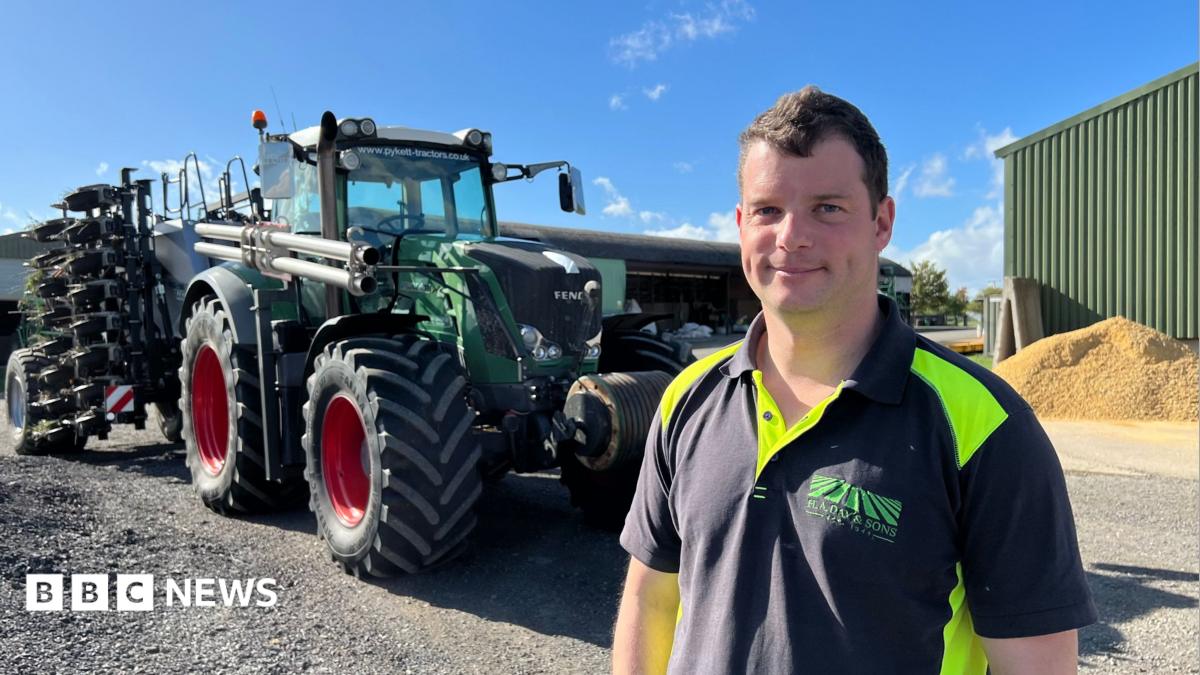
European agriculture is grappling with severe meteorological anomalies as the 2026 growing season unfolds, exposing the profound vulnerability of conventional cropping systems to prolonged dry spells. Cereal producers across major growing regions report catastrophic yield losses, with wheat harvests plummeting by up to fifty percent compared to historical multi-year averages. This drastic drop in domestic grain production threatens to tighten regional grain balances, leaving farms with significantly reduced revenue streams while their fixed capital and input overheads remain stubbornly high.
Simultaneously, the livestock sector is bearing the brunt of these climatic shocks. Dairy and beef producers are facing surging operational expenses, driven largely by the soaring costs of supplementary feed and the intensive management required to maintain herd productivity during extreme heat events. Pastures have dried up prematurely across central and western Europe, forcing farmers to pull stored winter fodder forward into the summer months and compounding financial stress on family-run dairy enterprises.
In response to these compounding crises, an increasing number of progressive agricultural producers are accelerating the adoption of regenerative and climate-smart agronomic practices. Rather than relying solely on high-input synthetic fertilizers and water-intensive monocultures, vanguard farms are redesigning their rotations and land-use strategies to buffer against future weather shocks and stabilize long-term enterprise profitability.
A cornerstone of this transition involves diversifying forage and arable systems through the strategic establishment of mixed grass species. These deep-rooting pasture blends exhibit significantly higher resilience to soil moisture deficits than traditional ryegrass stands, maintaining green biomass production much later into dry summers. Similarly, agronomists are encouraging a return to heritage cereal varieties characterized by extensive root architectures and superior heat tolerance, which perform reliably under high-temperature stress where modern high-yield cultivars fail.
Beyond immediate crop and pasture management, long-term farm resilience increasingly incorporates agroforestry principles. Integrating mature trees into livestock pastures and crop fields provides critical shade to mitigate heat stress in grazing animals and lowers microclimatic temperatures that accelerate soil evaporation. While transitioning to these adaptive systems requires upfront investment and a steep learning curve, the compounding frequency of extreme weather events makes such structural changes essential for the future viability of European farming operations.
What this means for the market: The combination of slashed cereal yields and inflated livestock production costs will likely sustain upward pressure on regional grain and dairy prices through the upcoming marketing year. Agronomists and farm managers must prioritize drought mitigation, soil organic matter retention, and alternative forage planning to protect operating margins against increasingly volatile weather patterns.
— agronom.work editorial team