
Heatwaves Force German Vineyards to Rethink Water Management and Soil Health
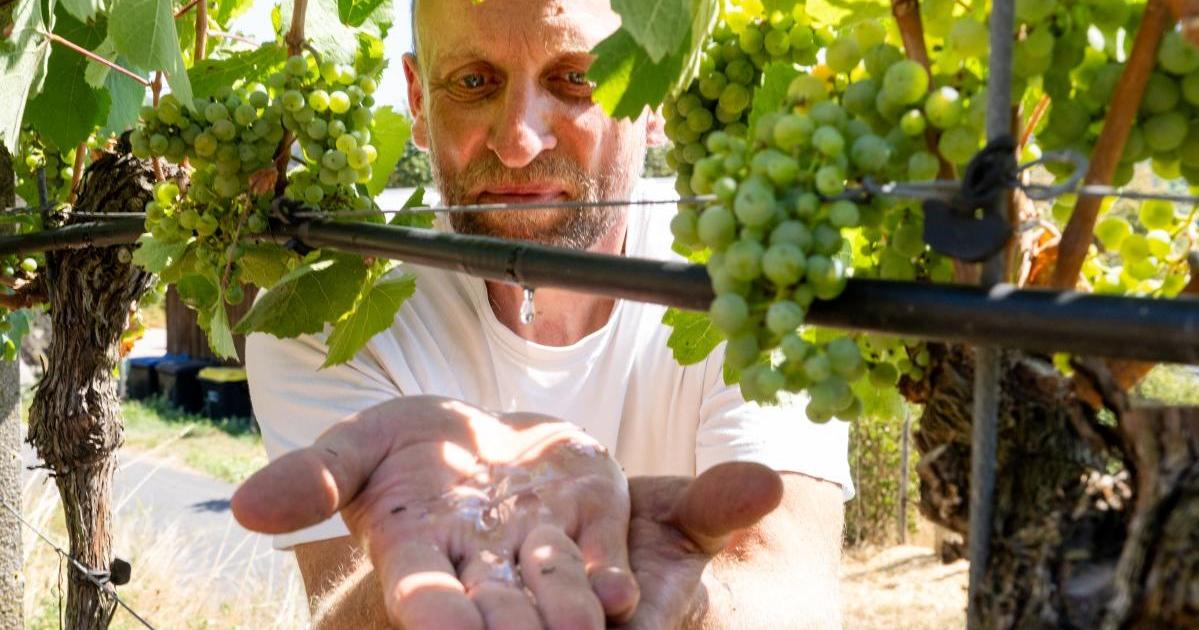
German winegrowers are currently grappling with the reality of increasingly frequent heatwaves that threaten traditional viticulture. For producers like Florian Weingart, the impact is already measurable, with yields dropping significantly as extreme temperatures force farmers to seek new methods to protect their vines from heat stress and soil moisture depletion.
The current strategy involves manual interventions, such as spreading straw between vine rows. This traditional technique is seeing a resurgence as a modern solution to suppress evaporation, keep the soil temperature lower, and maintain enough subterranean moisture to keep the root systems hydrated during periods of prolonged drought.
Beyond moisture retention, the challenge for European viticulture involves a fundamental shift in land management. Higher temperatures are accelerating the ripening process, which can lead to higher sugar levels but lower acidity, fundamentally altering the flavor profile of European wines. Vineyard managers are now balancing the need for leaf canopy management to shade the grapes with the risk of reduced photosynthesis.
As these climatic conditions become the new norm, the investment in agritech solutions is climbing. From precision irrigation systems—where water usage must be strictly managed due to local regulations—to specialized canopy cover sensors, farmers are looking for ways to stabilize yields that have plummeted in recent years.
What this means for the market: The persistence of heat-related yield drops in prime European regions is likely to put upward pressure on premium wine prices while forcing smaller estates to invest in soil resilience infrastructure. Farmers should monitor their soil organic matter levels, as improving water retention through straw mulching or cover crops is becoming the most cost-effective defensive strategy against climate volatility.
— agronom.work editorial team