
The High Price of Dry Spells: Assessing Losses in European Dairy and Tillage
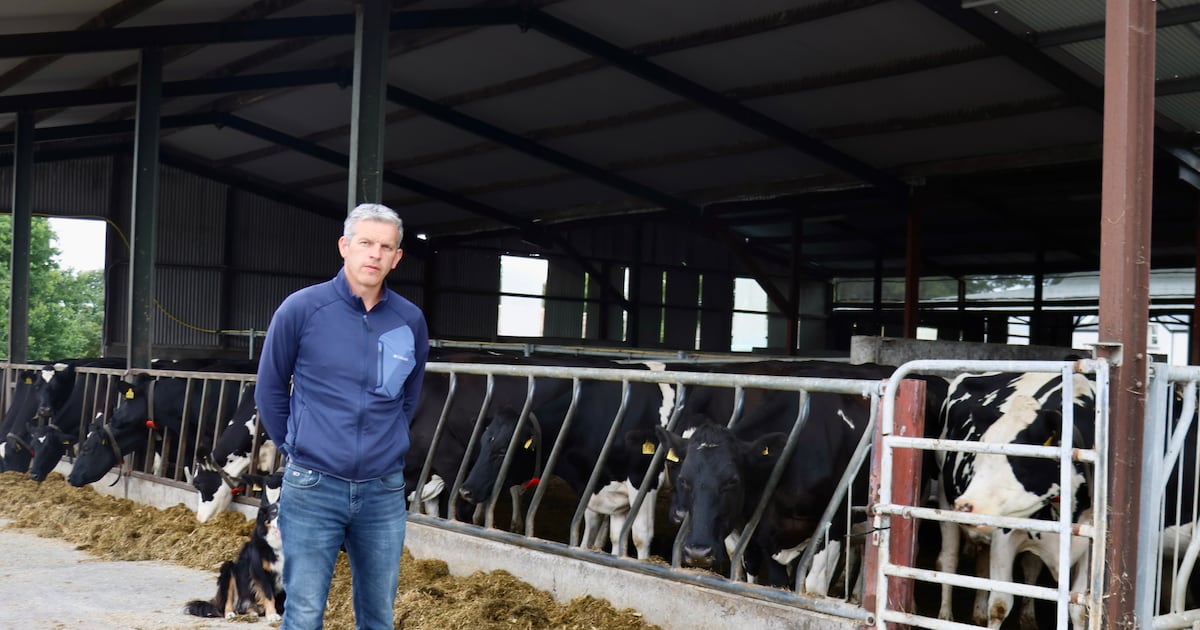
The agricultural landscape across Europe is facing a critical turning point as prolonged dry spells disrupt the delicate balance of farm productivity. For dairy farmers, the lack of rainfall translates directly into stunted grass growth, forcing an early reliance on expensive winter fodder reserves. When the fields turn brown, the math becomes stark: farmers are facing operational costs that spike by thousands of euros weekly just to maintain basic output.
Tillage farmers are equally vulnerable. Grain yields are consistently underperforming as the moisture deficit during crucial maturation stages leaves crops stunted. In regions where irrigation infrastructure is limited or prohibitively expensive to operate, the decline in tonnage per hectare is inevitable. This scenario threatens the profitability of the upcoming season and puts pressure on local supply chains that rely on predictable harvest volumes.
Beyond the immediate financial loss, the situation forces a fundamental reassessment of farm management practices. Reliance on permanent pastures is becoming a high-risk strategy, leading many to explore drought-resistant crop varieties or invest in more efficient water management systems. These adaptations, while necessary, require significant capital expenditure at a time when farm margins are already being squeezed by high input costs.
The impact extends into the livestock sector, where the nutritional quality of available grazing is declining. Lower intake rates directly correlate with reduced milk solids and lower daily yields, creating a secondary economic blow. Producers are now finding themselves forced to choose between selling off livestock prematurely or incurring the high debt associated with emergency feed imports.
Context for farmers: As climate patterns shift, integrating precision soil moisture sensors and diversifying fodder crops is becoming essential to mitigating risk. Producers should look into crop insurance schemes that specifically cover extreme weather events and reassess stock density to protect remaining forage supplies.
— agronom.work editorial team