
Hybrid meat trend: Why 'TVP 2.0' matters for European crop markets
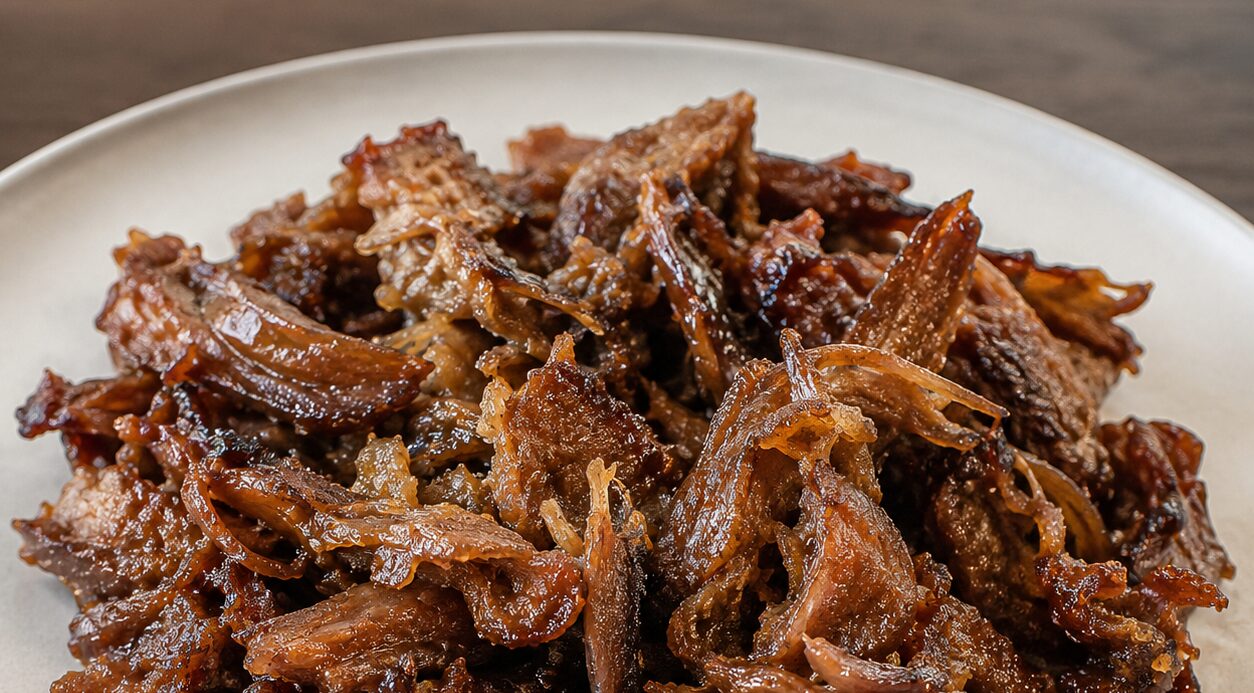
The alternative protein sector is undergoing a strategic pivot, moving away from standalone plant-based burgers toward "hybrid" meat products. Black Sheep Foods, a company previously focused on branded plant-based lamb, has repositioned itself as a B2B supplier of advanced Textured Vegetable Protein (TVP), which they call "TVP 2.0." By utilizing wheat and fava beans, the company has developed a structural ingredient designed to be mixed directly with conventional meat at high inclusion rates, reaching up to 50% or more without compromising texture.
For European crop producers, this shift represents a potential new demand driver for pulse crops. While traditional TVP has been a staple in processed meat for decades, it is often limited by texture and flavor limitations. This new iteration mimics the fibrous mouthfeel of muscle tissue, which allows food manufacturers to increase the ratio of plant-derived proteins in final products like meatballs, patties, or pulled meats.
The economic appeal for processors is significant: this hybrid ingredient is reportedly 33% cheaper than beef. By functioning as a cost-effective extender that maintains the sensory properties of traditional meat, it allows manufacturers to insulate themselves against the volatility of livestock commodity prices. The goal is not necessarily to replace animal protein entirely, but to create a more cost-stable, sustainable, and nutritious finished product.
As European processors prepare for commercial launches this autumn, the demand for high-quality, processed pea, wheat, and fava protein is expected to grow. Unlike niche alt-meat products, this model targets the mass-market meat industry, which relies on consistent, low-cost supply chains. For farmers and regional aggregators, this suggests that the market for fava beans and wheat is increasingly intertwined with the R&D priorities of food tech companies seeking to displace expensive animal proteins.
What this means for the market: The rise of hybrid meat products signals an opportunity for farmers to align crop planning with the processing industry’s growing demand for high-protein pulses. Producers should anticipate stable, long-term B2B demand for fava beans and wheat as these ingredients become core components of cost-optimized, industrial-scale meat production.
— agronom.work editorial team