
IMIO Secures $12M to Scale Ag Biologicals for Crop Residue Breakdown
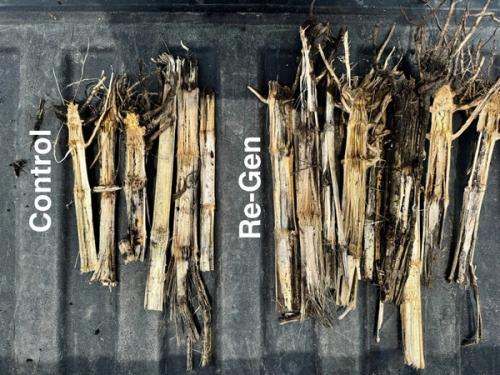
The agritech sector continues to see strong investor interest in sustainable inputs, with startup IMIO successfully closing a $12 million seed funding round. Led by Sofinnova Partners and backed by major food industry players including Chipotle’s Cultivate Next fund, the capital injection brings the firm's total funding to $16.5 million. The fresh capital will allow IMIO to scale its team, expand production capabilities, and establish a new R&D and biomanufacturing facility in Chicago.
IMIO focuses on a persistent agronomic challenge: unlocking the massive nutrient reserve locked inside crop residues. Modern high-yield crop varieties, particularly corn, produce heavy stover containing substantial amounts of nitrogen, phosphorus, and potassium. Traditionally, these residues decompose slowly over winter, often requiring intensive tillage or high synthetic fertilizer applications to support the following season's crops. High lignin content in modern hybrids further slows down natural breakdown processes in soils where native microbial populations may have been depleted by conventional management practices.
To overcome the notorious performance inconsistency that plagues many agricultural biologicals, IMIO utilizes a patent-pending freeze-drying, or lyophilization, manufacturing process. Unlike conventional heat-based spray-drying, lyophilization preserves the viability of delicate, naturally occurring microbial strains—including specialized lignin-degrading fungi. These microbes are blended into a stable powder with a shelf-life exceeding 12 months, allowing growers to mix the product with water and apply it directly to stubble around planting time.
Field trials conducted across more than 10,000 acres in major agricultural regions have demonstrated promising agronomic results. Farmers utilizing IMIO's Re-Gen products reported average yield bumps of nearly 12 bushels per acre in corn, alongside tangible reductions in synthetic nitrogen fertilizer requirements and fewer tillage passes. Specialty crop growers producing high-residue vegetables like broccoli and lettuce are also evaluating the technology to better manage organic matter and improve nutrient cycling.
As European and global farmers face tightening environmental regulations, high fertilizer costs, and pressure to adopt regenerative practices, reliable biological solutions are gaining traction. By targeting crop residue as an on-farm nutrient reservoir rather than agricultural waste, innovations like freeze-dried microbial treatments offer a practical pathway toward input cost savings and improved soil management without sacrificing commercial yields.