
New research on Helicoverpa armigera immunity threatens Bt-crop efficacy
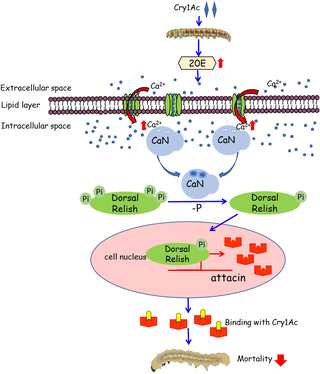
A recent study has identified a specific biological mechanism that allows the cotton bollworm, Helicoverpa armigera, to fortify its defenses against Bacillus thuringiensis (Bt) toxins. Researchers discovered that the calcineurin-dependent 20E signaling pathway boosts the expression of attacin, an antimicrobial peptide, which primes the insect's immune system to survive exposure to Cry1Ac toxins.
For farmers and agronomists, this is more than just a biological curiosity. The Helicoverpa armigera is a highly polyphagous pest, meaning it causes significant damage to a wide range of crops including corn, tomatoes, cotton, and various legumes. As the insect becomes more efficient at neutralising Bt proteins, the traditional reliance on Bt-based biological controls becomes increasingly fragile.
This research highlights the continuous "evolutionary arms race" between crop protection technologies and agricultural pests. While many European regions currently rely on integrated pest management (IPM) rather than widespread cultivation of GM crops, this data is critical for understanding the baseline immunity of local pest populations. If pests can inherently prime their immune systems, the efficacy of sprays containing Bacillus thuringiensis may decrease over time.
The findings suggest that the metabolic cost of this immunity might be high, yet the insect’s ability to adapt underscores the danger of over-relying on a single mode of action. For those managing heavy infestations, rotating chemical groups and integrating cultural practices remains the primary defense to prevent the selection of these resistant traits in the field.
Context for farmers: While these findings won't change your field strategy tomorrow, they serve as a warning that biological tools are not "silver bullets" and are prone to resistance development. Monitor your pest population density closely and prioritize a diverse rotation of control methods to ensure long-term efficacy of your crop protection program.
— agronom.work editorial team