
India Balances Fertilizer Reduction Goals with Stock Security
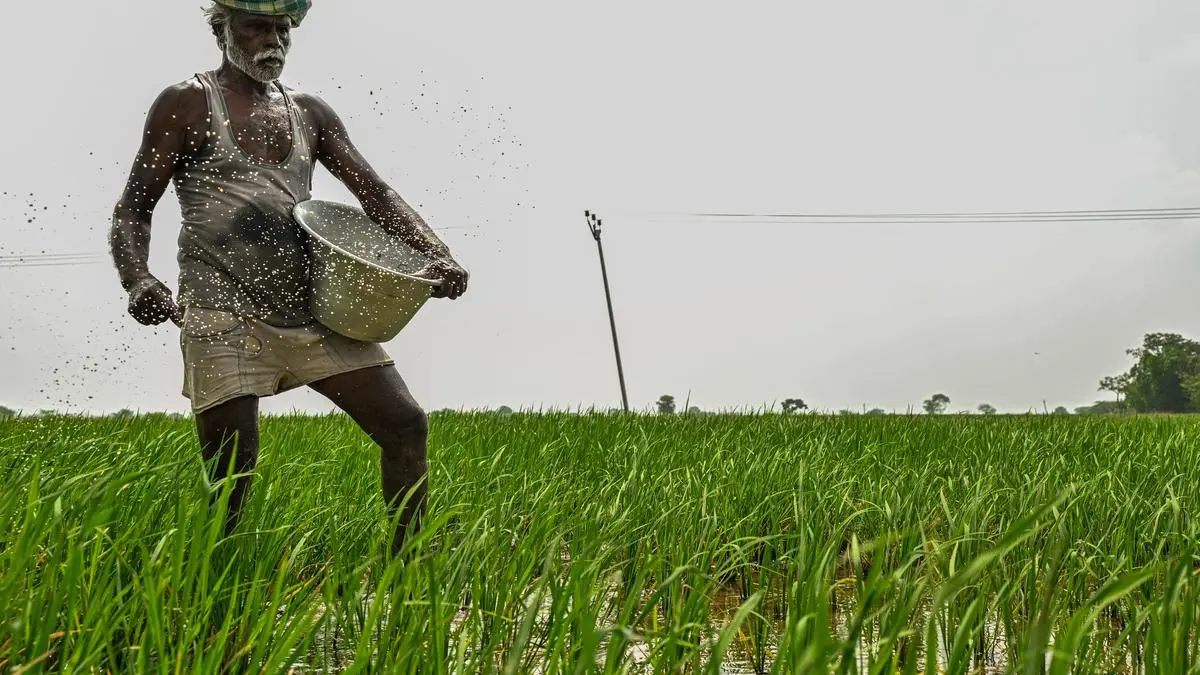
In a complex balancing act for global agricultural markets, the Indian government has reaffirmed it maintains sufficient fertilizer stocks to meet national demand, even as sales have jumped by 25 percent. This announcement follows Prime Minister Narendra Modi’s high-profile appeal to the nation’s farmers to cut back on chemical fertilizer application by 25 to 50 percent to improve long-term soil health and reduce dependency on imported inputs.
The push for reduced synthetic input usage is part of a broader shift toward sustainable agriculture, particularly focusing on balanced soil nutrition. Excessive reliance on urea and other nitrogenous fertilizers has been a long-standing challenge in many regions, often leading to soil degradation, micronutrient depletion, and increased input costs for smallholder farmers. The government’s challenge remains incentivizing the adoption of organic and bio-fertilizers while ensuring supply chain continuity for conventional products.
For European agronomists and market analysts, India’s supply situation is particularly relevant. As a major consumer of global phosphate and potash, any sudden shift in Indian demand levels directly impacts global prices and availability for producers across Europe. While India moves toward a reduction policy, the immediate reality of a 25 percent surge in sales highlights the friction between national policy goals and the short-term productivity needs of farmers.
Furthermore, the reliance on high-input models is facing scrutiny across various regions, not just in India. Many European farms are simultaneously navigating stricter environmental directives that mandate reduced nitrogen leaching and improved nutrient management. The Indian experience offers a parallel case study in the difficulties of implementing rapid shifts in input management strategies while trying to protect rural livelihoods.
Context for farmers: While India’s move toward lower chemical reliance aims for long-term sustainability, the immediate reality of rising demand underscores the difficulty of transitioning away from synthetic inputs without compromising yield. European producers monitoring global supply chains should remain aware that India’s shifting policies could create volatility in the international pricing of key soil nutrients in the coming seasons.
— agronom.work editorial team