
India Boosts Rabi MSPs and Approves Major Green Farming Initiative
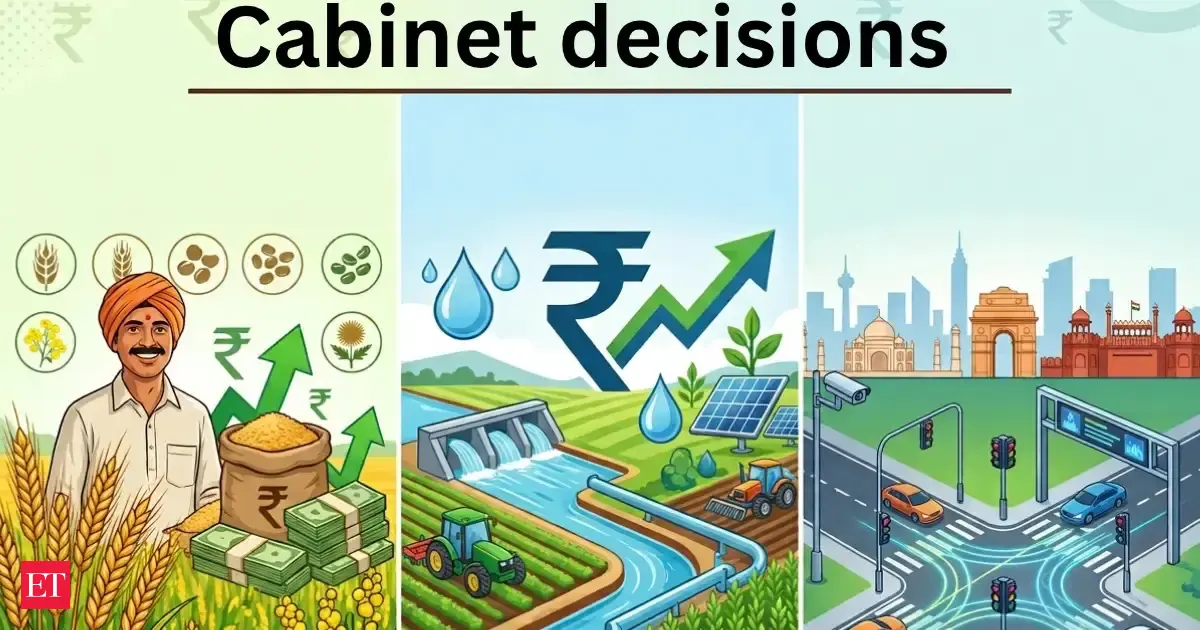
The Union Cabinet in India has approved the Rabi Price Policy for the 2027-28 marketing season, committing an estimated payout of Rs 90,962 crore directly to agricultural producers. The decision introduces minimum support price (MSP) hikes across six key Rabi crops, including staples like wheat and barley, alongside pulses and oilseeds such as gram, lentil, rapeseed-mustard, and safflower. For European agronomists and grain traders monitoring global commodity flows, these policy adjustments serve as a vital indicator of production incentives in one of the world's largest agricultural markets.
Alongside the direct crop pricing measures, the government sanctioned a substantial Rs 1.86 lakh crore allocation for the PM DHARA program. This initiative is designed to scale up rural infrastructure, improve agricultural logistics, and expand green energy access across farming communities. For farm workers and agritech specialists, such large-scale capital deployments often accelerate the adoption of solar-powered irrigation, decentralized renewable energy grids, and modernized storage facilities, directly impacting input costs and carbon footprints in crop production.
Wheat remains the cornerstone of the Rabi season, and adjustments to its support price directly influence domestic planting decisions, acreage allocation, and eventual export availability. When state-backed procurement prices rise relative to international market trends, local supply chains can shift, altering global trade dynamics for milling wheat and feed grains. European exporters frequently look to these shifts to gauge South Asian import demand or export competition in Asian and Middle Eastern destination markets.
Furthermore, the inclusion of pulses and oilseeds in the upward price revision reflects a persistent policy push toward crop diversification. In regions historically dominated by cereal monoculture, government incentives for lentil and rapeseed cultivation aim to address nutritional security and groundwater depletion. Agronomists note that incorporating more legumes into crop rotations helps naturally fix soil nitrogen, reducing synthetic fertilizer dependence and mitigating greenhouse gas emissions during the winter growing cycle.
As global farming sectors navigate volatile input markets, climate pressures, and evolving subsidy frameworks, monitoring international policy interventions remains essential for farm management and risk mitigation. Whether evaluating fertilizer subsidies or regional grain price floors, understanding how governments support primary producers provides crucial context for long-term farm planning, machinery investments, and supply chain forecasting.
Context for farmers: While these specific MSP adjustments apply directly to Indian domestic producers, global grain markets closely track South Asian production volumes and state stockpiling policies as key determinants of international price stability. European farmers and traders must factor these macro-level supply shifts into their seasonal risk management and crop marketing strategies.
— agronom.work editorial team