
India Extends Cotton Import Duty Relief as Domestic Supply Concerns Mount
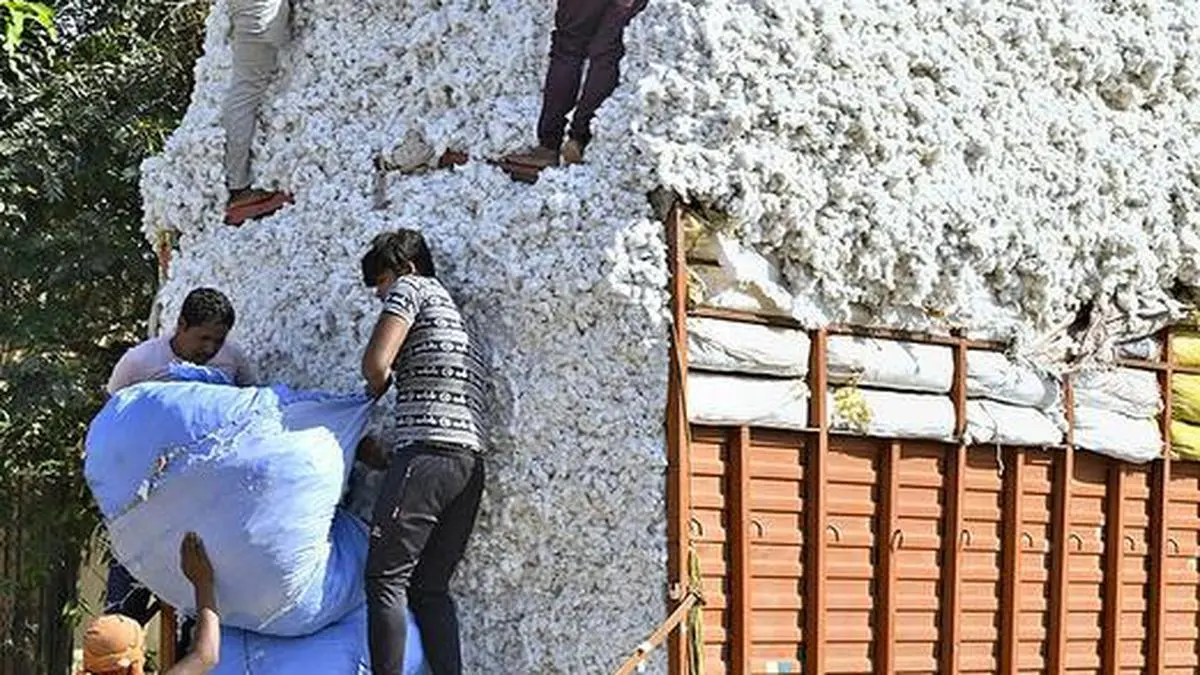
Indian agricultural authorities have officially extended the zero customs duty on raw cotton imports through the end of December 2026. This policy continuation underscores ongoing supply pressures within the subcontinent, driven by localized weather anomalies, lower domestic yields, and fluctuating pest pressures that have historically hampered local production targets.
For global grain and fiber traders, India's persistent reliance on external raw material acts as a major market stabilizer. Trade estimates indicate that import volumes for the upcoming marketing periods are on track to match or exceed previous highs of roughly 7.1 million bales, each weighing 170 kilograms. This steady flow of overseas fiber is essential for keeping domestic spinning mills operational and maintaining export commitments for Indian textiles.
While this situation primarily affects Asian supply chains, the ripple effects extend to major exporting nations including the United States, Brazil, and parts of West Africa. When a massive textile producer like India turns consistently to the international market, global basis levels and futures prices experience upward support, altering purchasing strategies for spinning mills across Europe and Asia alike.
European agronomists and traders monitoring global fiber markets should note how weather-induced yield instability in major developing economies quickly transforms into structural import demand. As climate volatility tests traditional growing regions, the delicate balance between domestic food and fiber production continues to reshape international commodity flows.
What this means for the market: Sustained Indian demand for imported raw cotton shores up global price floors and alters export flows from major producing regions. European traders and agricultural logistics providers should monitor how Asian purchasing competition impacts international freight rates and fiber availability.
— agronom.work editorial team