
India reserves 7.2 million tonnes of rice for ethanol: What it means for global grain markets
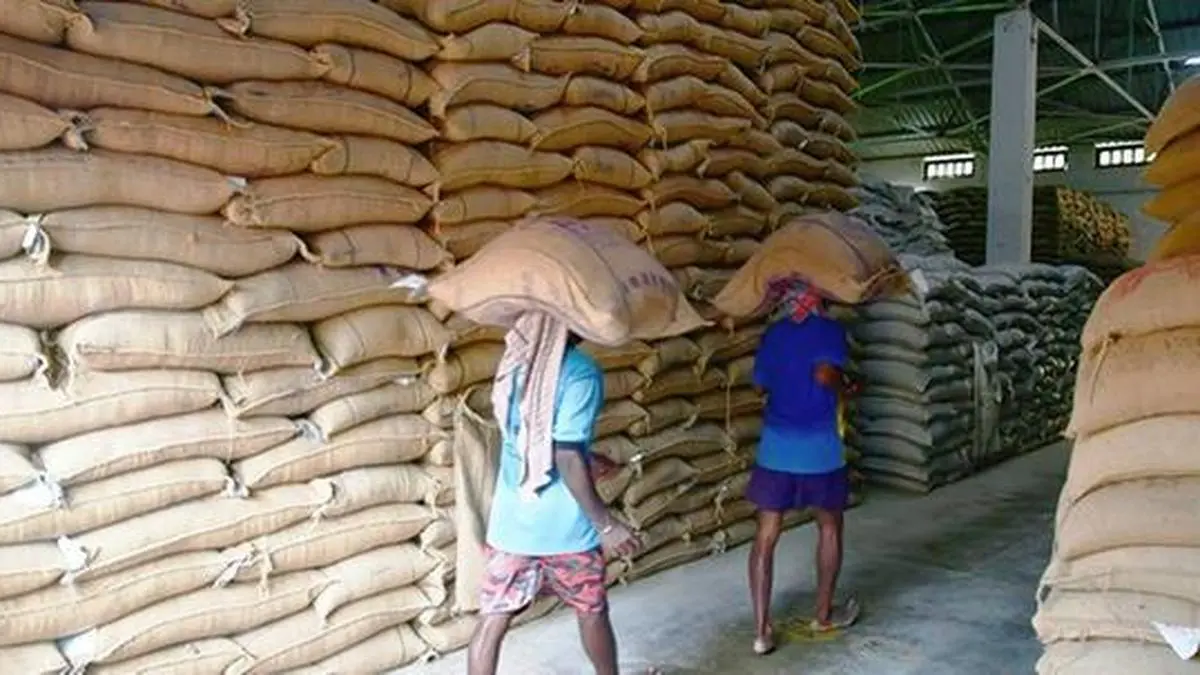
The Indian government has officially earmarked 7.2 million tonnes of rice from the Food Corporation of India (FCI) stocks to fuel its national ethanol blending program. This move is part of an aggressive strategy to reach 20% ethanol blending in petrol by 2025, effectively repurposing a substantial portion of the country's grain surplus to reduce reliance on imported fossil fuels.
For global grain traders and European agronomists, this is a significant indicator of shifting domestic policy in the world's leading rice-producing regions. By diverting millions of tonnes of rice away from potential exports or food aid, India is tightening the global supply of staples. This strategy reflects a broader trend where agricultural outputs are increasingly being utilized for energy security rather than food security.
While this decision currently applies to the Indian domestic market, the tightening of global rice inventories creates ripple effects across the agricultural commodity sector. When large producers like India consolidate stocks for biofuel, it can lead to price volatility in other feed and food grains, indirectly impacting the input costs for European livestock farmers who rely on imported soy and corn substitutes.
Agronomists and farm managers should monitor how these large-scale biofuel policies influence international pricing mechanisms for cereals. As governments prioritize 'green' energy mandates over traditional export routes, the volatility in international grain futures is likely to persist throughout the upcoming harvest seasons.
Context for farmers: The redirection of substantial rice stocks toward energy production effectively reduces global supply buffers, which can exert upward pressure on commodity prices globally. Producers and traders should factor this increase in agricultural energy-demand into their long-term supply chain and crop hedging strategies.
— agronom.work editorial team