
India Resumes Wheat Exports: A Shift in Global Grain Markets
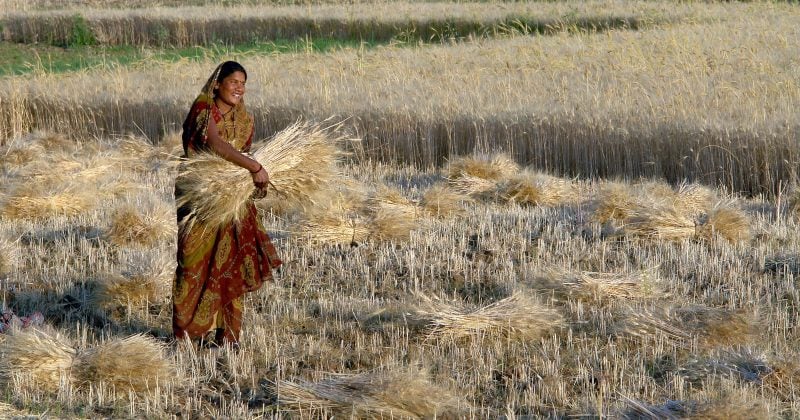
India, the world's second-largest wheat producer, has officially lifted its four-year ban on wheat exports. This policy shift, enacted following the supply chain disruptions triggered by the conflict in Ukraine, marks a turning point for global grain markets that have faced significant volatility in recent years.
For European farmers and grain traders, the sudden re-entry of Indian wheat into the global pool introduces a new variable into price forecasting. Indian production has historically balanced domestic needs with export capacity, and the government’s decision to allow shipments suggests that their domestic buffer stocks have stabilized sufficiently to withstand external sales.
The impact on European producers is nuanced. While global supply increases, potentially cooling price spikes, European grain—particularly from high-yield regions like France, Germany, and Poland—remains competitive due to quality standards and proximity to major importers. However, the added supply from India could dampen the speculative pressure on wheat futures, which has been a recurring theme since 2022.
Logistically, the increased flow of Indian grain through traditional maritime routes may ease pressure on global shipping lanes. For European exporters, this means monitoring the competitiveness of domestic grain prices against Indian origin, particularly in the Middle Eastern and Asian markets where price sensitivity is high.
What this means for the market: Farmers should brace for potential downward pressure on wheat futures in the short term as global supply projections increase. It is advisable to review hedging strategies and storage options, as the entry of a major producer like India typically stabilizes market volatility but complicates price outlooks for the next harvest season.
— agronom.work editorial team