
India’s Driest June: Why Global Grain Markets Should Stay Alert
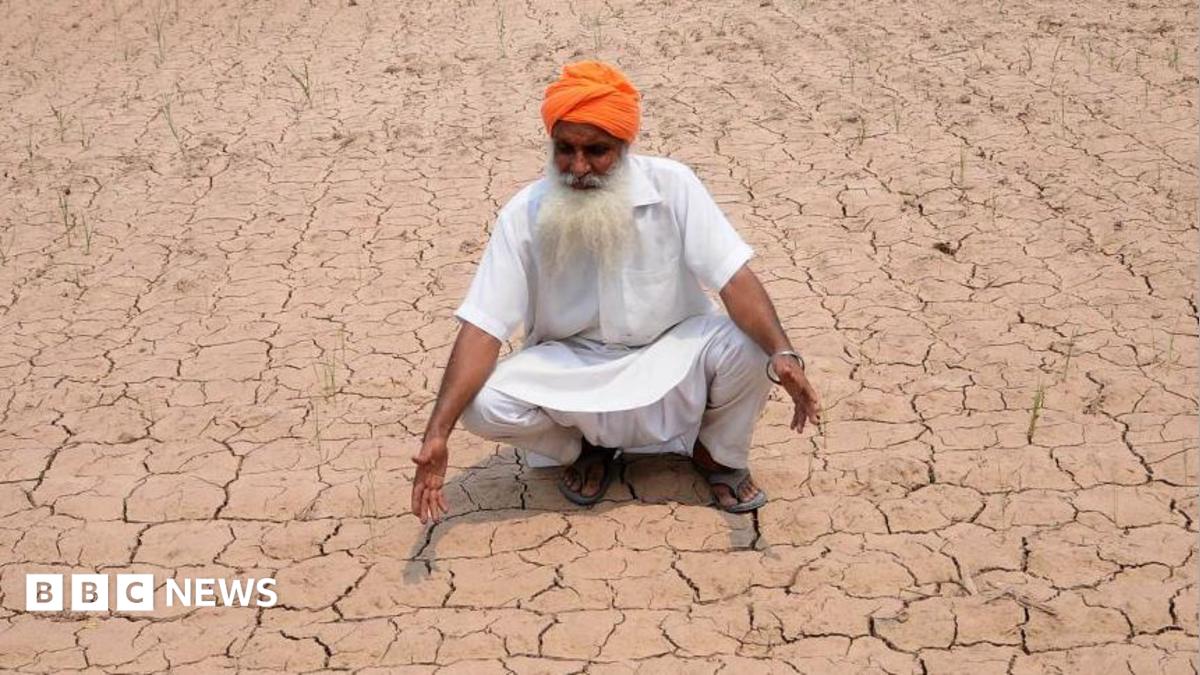
India, a major global agricultural player, has reported its driest June in over a decade. As the monsoon is the backbone of the nation's agricultural sector, providing water for over half of its farmland, this rainfall deficit is sending ripples of concern through global grain supply chains. Farmers in the region are currently facing delays in sowing key crops, including rice and pulses, which are essential for domestic food security.
For European farmers and traders, India's weather patterns are not merely distant news. While Europe is currently managing its own harvest cycles, the global grain market operates as a highly interconnected system. A significant reduction in Indian crop output typically forces the country to tighten export restrictions, as witnessed in recent years with wheat and rice. Such moves often lead to upward pressure on international prices for cereal crops and fertilizers.
The current situation highlights the increasing volatility of global weather patterns that agronomists and farm managers must factor into their long-term planning. Even if India claims to hold sufficient domestic grain stocks to buffer against short-term volatility, the uncertainty surrounding the remainder of the monsoon season may lead to proactive government policy shifts, such as limiting shipments to maintain internal price stability.
For those managing large-scale operations in Europe, tracking these geopolitical and environmental trends is critical. When large economies like India adjust their export quotas, the resulting supply gap often creates opportunities for EU-based producers to fill specific market niches, though it also increases the risk of market instability if price volatility spikes suddenly in response to panic buying or trade barriers.
Context for farmers: Monitor global commodity price indices closely over the next quarter, as Indian monsoon recovery will dictate whether the country enters the export market or keeps its grain reserves locked. This volatility can influence input costs and export premiums for European wheat, so ensure your hedging strategies are aligned with these unpredictable global supply shifts.
— agronom.work editorial team