
India’s Surging Edible Oil Imports Signal Shift for Global Rapeseed and Sunflower Markets
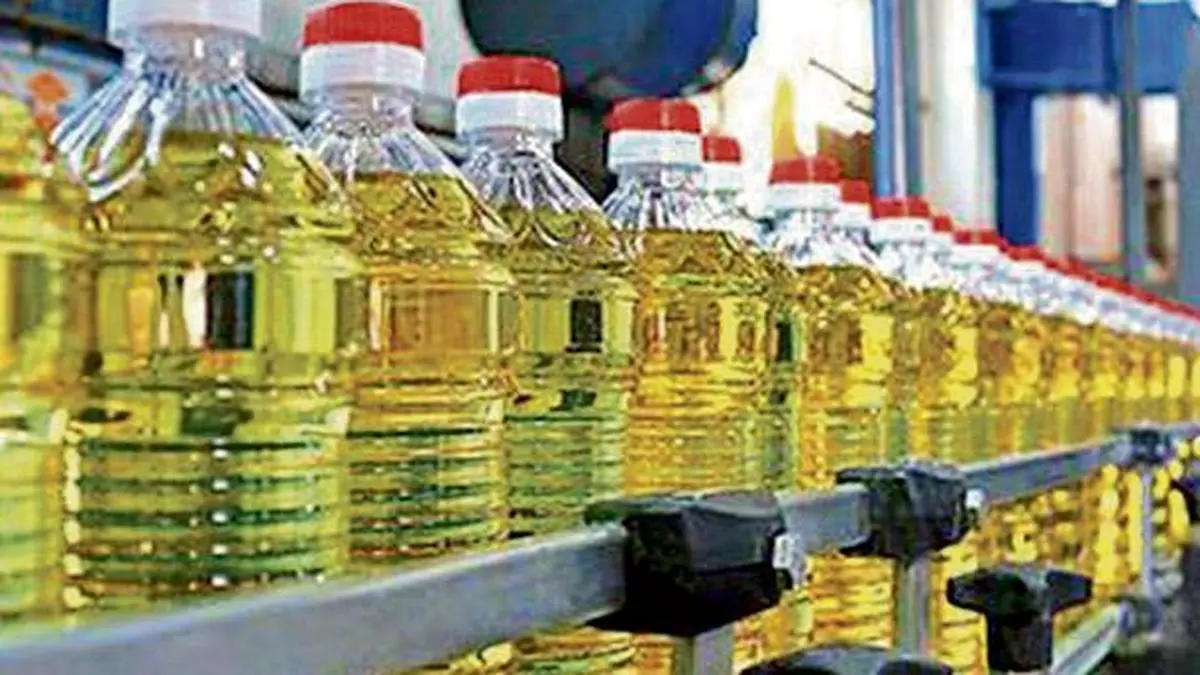
For European farmers and agronomists monitoring global commodity trade, India remains a heavyweight buyer whose domestic market shifts send ripples across international vegetable oil complexes. Data from the Solvent Extractors Association reveals that India's edible oil import bill climbed to approximately ₹2 lakh crore—roughly $21 billion—during the 2025-26 oil year spanning from November to October. While import volumes grew by a moderate 6 percent, the total value skyrocketed by 24 percent, underscoring firmer global pricing trends for soft and tropical oils alike.
This surge in import expenditure is largely underpinned by rising domestic consumption of palm, soybean, and sunflower oils in the world's most populous nation. As domestic oilseed production in India fails to keep pace with rapid urbanization and dietary shifts, the import dependency continues to hover near historical highs. For producers in major exporting regions, including the Black Sea basin for sunflower oil and Southeast Asia for palm oil, this robust Indian demand acts as a crucial price-support mechanism.
European agricultural markets are inextricably linked to these global shifts. While the European Union predominantly crushes its own rapeseed and sunflower seeds, domestic pricing for oilseeds in markets like Poland, Germany, and Romania is heavily influenced by Chicago Board of Trade soybean futures and Malaysian palm oil contracts. When Indian import demand pushes global vegetable oil values upward, European crushers often see improved margins, which can translate into better gate prices for local oilseed growers.
However, high global vegetable oil values also pose challenges for European livestock producers and feed manufacturers. Tighter vegetable oil supplies and elevated prices can increase the cost of co-products like rapeseed meal, altering least-cost feed formulations. Furthermore, shifting import origins can disrupt established logistics and trade corridors, especially as Black Sea exporters navigate ongoing geopolitical hurdles to supply Asian and Middle Eastern destinations.
Ultimately, India's growing reliance on imported fats highlights the vulnerability of global food supply chains to weather anomalies and domestic policy changes in key producing regions. European agrotechnology firms and large-scale farming enterprises must remain vigilant regarding these macroeconomic trends, as they directly dictate input costs, crop rotation economics, and export opportunities for continental oilseeds.