
India’s Push for Urea Self-Sufficiency Shapes Global Fertilizer Markets
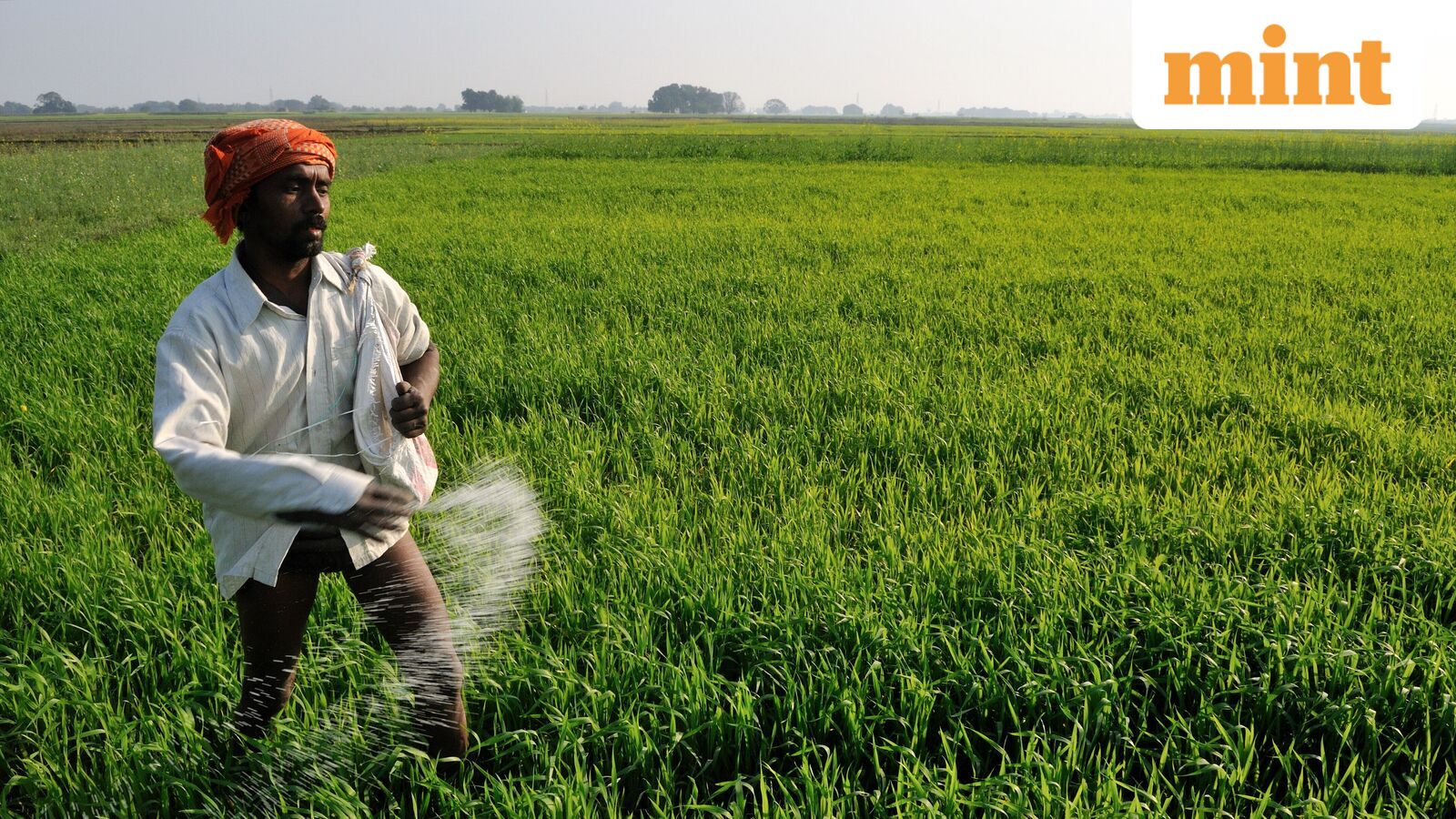
Global agricultural inputs markets are closely watching developments in New Delhi, where India's aggressive strategy to achieve self-reliance in nitrogenous fertilizers has yielded 17 major investment proposals. Valued at approximately ₹2.04 trillion (around $24 billion), these projects involve both state-backed enterprises like GAIL India and private sector heavyweights. The Department of Fertilizers is currently evaluating these submissions, which aim to establish new production greenfield units and significantly expand brownfield capacities.
For European fertilizer producers, grain growers, and agricultural input traders, India's domestic push carries significant structural implications. As the world's largest importer of urea, India's historical import patterns have frequently caused massive price volatility on international spot markets. Whenever New Delhi issues a major purchasing tender, global nitrogen prices tend to spike, impacting input costs for farmers from Poland to Germany and the Netherlands. A successful domestic expansion program could progressively temper this demand, fundamentally altering pricing dynamics for agricultural commodities worldwide.
The current wave of proposals operates under the newly introduced National Investment Policy for Urea (NIPU-2026). This policy framework is specifically designed to provide financial incentives and a stable operational environment to attract private and public capital into capital-intensive manufacturing facilities. Historically, high domestic natural gas costs and feedstock constraints made indigenous urea production challenging for India, forcing the nation to rely heavily on imports from the Middle East, Southeast Asia, and occasionally European suppliers.
For agronomists and farm managers across the European Union, shifts in global nitrogen fertilizer availability directly translate into variable operating expenses. Nitrogen represents one of the largest single input costs for cereal, oilseed, and row crop production. When Asian demand eases due to domestic substitution, international fertilizer manufacturers often redirect volumes toward Europe or adjust pricing structures accordingly, offering potential cost relief for spring and winter top-dressing applications.
At the same time, large-scale industrial investments in traditional fossil-fuel-based urea production run counter to global decarbonization trends, highlighting the ongoing tension between food security and environmental sustainability. While European agriculture faces stringent regulations under the Green Deal and carbon border adjustments, Asian producers are scaling up conventional capacities to safeguard domestic food production. How these market forces intersect will shape fertilizer affordability and farm gate margins across the Northern Hemisphere in the coming seasons.