
India's Rice Surplus and Export Shifts: What Global Grain Markets Need to Know
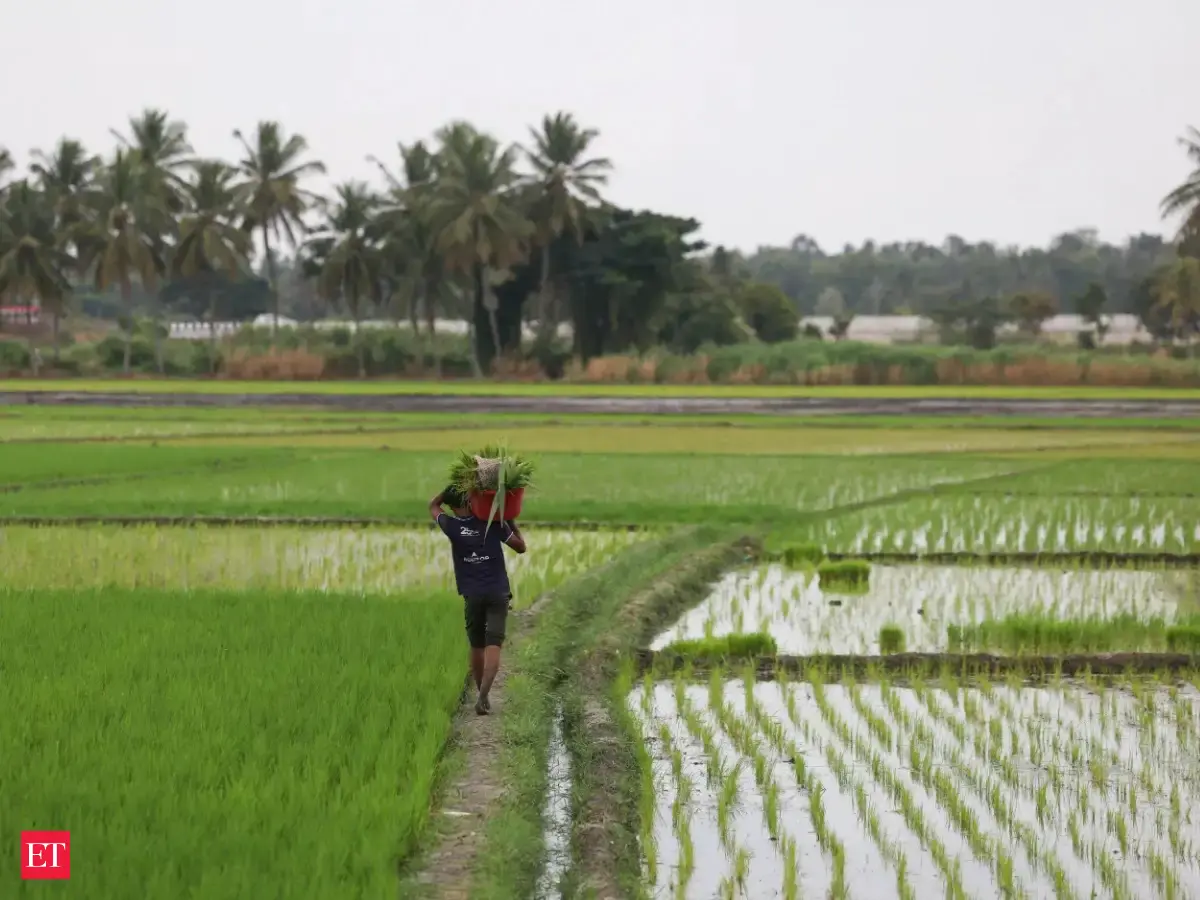
India has firmly established itself as a global agricultural powerhouse in rice production, driven by decades of state support, minimum support prices, and advancements in crop science. While these policies successfully secured food independence for a massive population, they have also resulted in structural overproduction. Enormous rice surpluses now sit in state warehouses, creating heavy fiscal pressures for the government through escalating storage and procurement costs.
For European grain traders, agronomists, and international market watchers, India's domestic balancing act carries significant weight. When Indian policy shifts toward restricting or opening exports to manage domestic inflation and stockpiles, global grain prices react swiftly. Because India is one of the world's primary rice exporters, sudden regulatory changes can instantly alter supply chains, freight rates, and competitive pricing for other major origins across Asia and the broader international trade network.
The root of the challenge lies in the complex web of agricultural subsidies, including heavily subsidized power, fertilizers, and guaranteed procurement prices that incentivize farmers to continuously plant water-intensive rice. In regions experiencing declining groundwater tables and soil degradation, maintaining this intensive cropping model raises long-term environmental concerns. Policymakers in New Delhi face growing political friction between the central government and key agricultural states over who bears the financial burden of these mounting stockpiles.
As international markets monitor these developments, European cereal producers and agritech exporters should observe how heavy state intervention in major producing countries distorts global trade flows. While European agriculture operates under a different subsidy framework governed by the Common Agricultural Policy, global commodity pricing directly influences input costs, feed values, and market sentiment across the continent.
What this means for the market: European grain traders and agricultural analysts should closely monitor Indian export policy adjustments, as sudden shifts in New Delhi's trade restrictions can trigger volatility in global cereal prices and affect international supply chain dynamics.
— agronom.work editorial team