
India Weighs Broken Rice Export Restrictions as Global Prices Cross $360
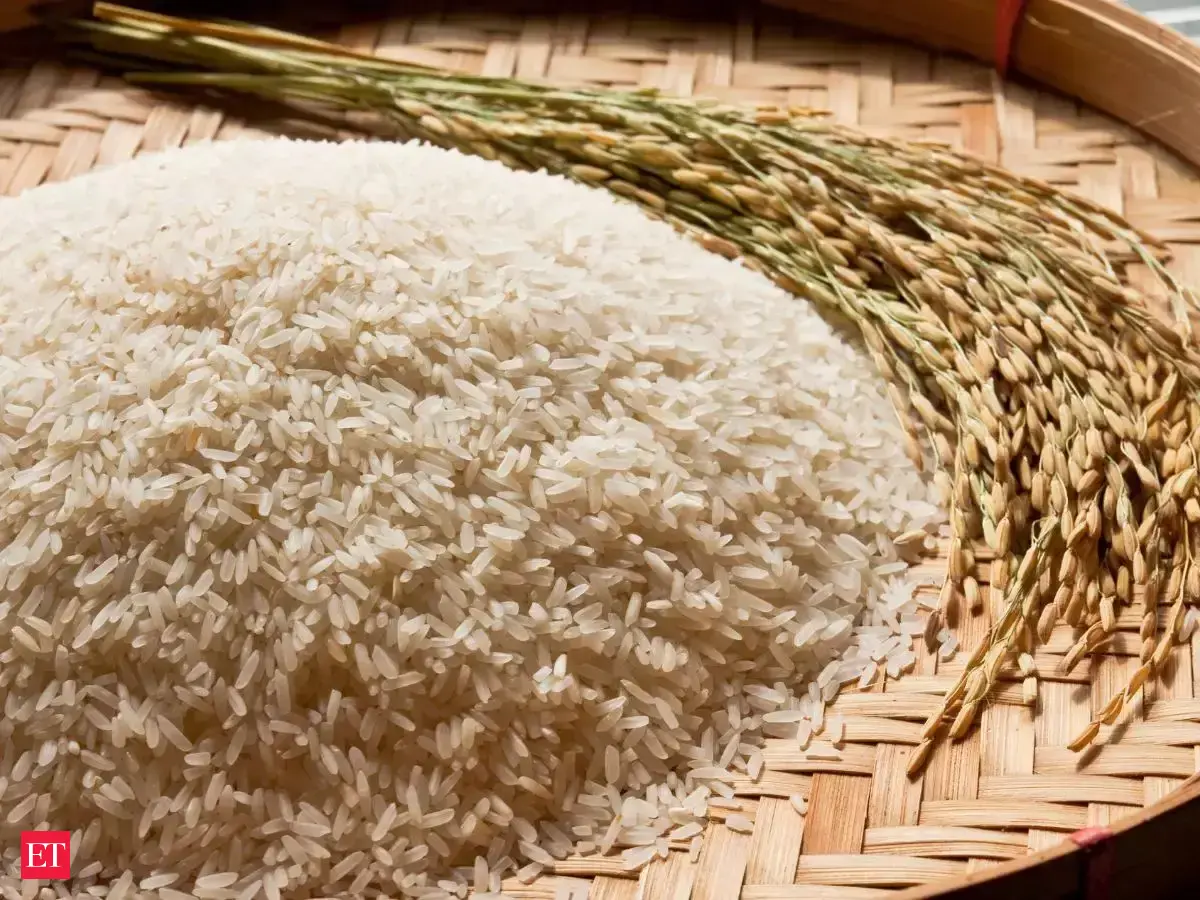
European grain traders and feed compounders are closely monitoring developments in South Asia as the Indian Rice Exporters' Federation (IREF) warns of a potential return to strict export curbs on 100 per cent broken rice. International benchmark quotations for this segment have recently surpassed USD 360 per tonne, driven by steady external demand and tightening domestic availability across major production hubs in the subcontinent.
The pressure on domestic supplies inside India is largely fueled by competing local industries, particularly the expanding ethanol production sector and the intensive poultry-feed manufacturing segment. As the Indian government continues to prioritize domestic food security and industrial feedstock requirements, export flows are increasingly vulnerable to sudden regulatory shifts, leaving international buyers searching for alternative origins.
For European livestock producers and feed millers, broken rice serves as a valuable and cost-effective energy source in animal nutrition formulations, especially for poultry and young livestock diets. Any sudden restriction or cessation of Indian shipments traditionally tightens the global feed-ingredient balance, forcing compounders in the EU and neighboring regions to substitute with domestic grains or alternative imported co-products.
Furthermore, shifts in the global rice trade invariably ripple through broader feed-grain markets, influencing the pricing dynamics of corn, feed wheat, and sorghum. European agronomists and grain procurement managers are well aware that New Delhi's trade policies can inject sudden volatility into international commodity exchanges, impacting input costs well ahead of the upcoming seasonal harvest cycles.
What this means for the market: European feed manufacturers and livestock operations should factor potential Indian export controls into their forward procurement strategies to hedge against sudden ingredient price spikes. Monitoring South Asian trade announcements will be critical for managing feed-ration costs in the coming months.
— agronom.work editorial team