
Indian Farmers Shift to Soybeans: Impact on Global Feed Markets
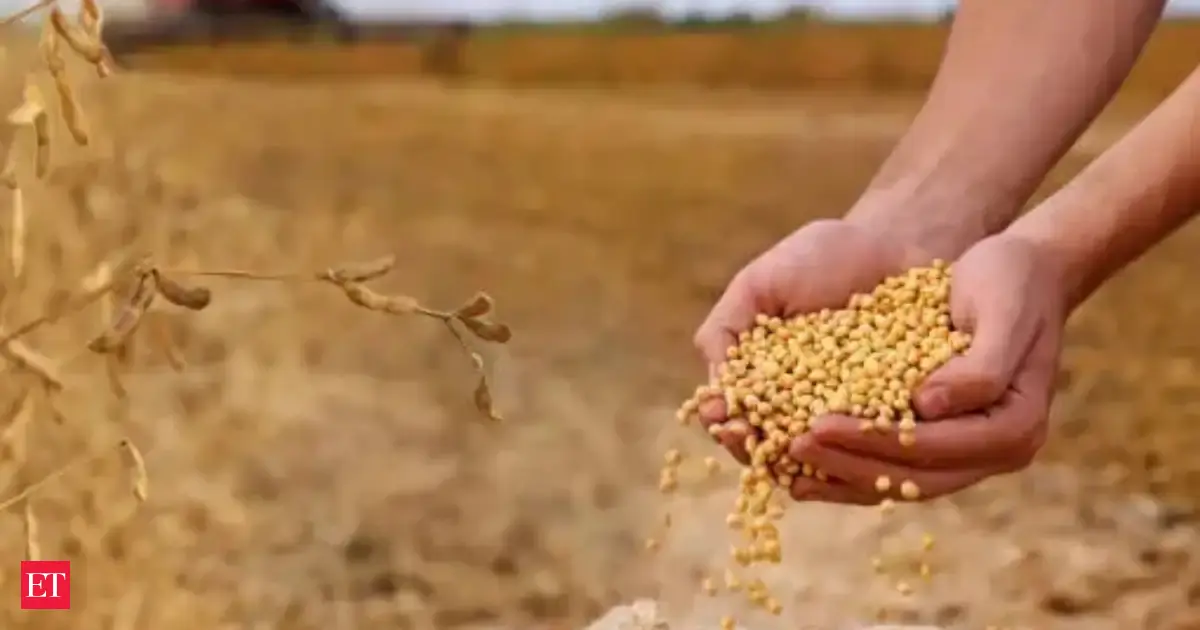
Indian farmers are significantly expanding their soybean acreage this season, a strategic shift driven by surging domestic prices and a challenging weather forecast. This transition away from water-intensive crops is a pragmatic response to climatic risks, but it is also a move that could send ripples through global protein feed and oilseed markets, directly impacting supply chains.
The primary catalyst for this agricultural pivot is the anticipation of a weaker-than-normal monsoon season, heavily influenced by the El Niño weather phenomenon. Crops like sugarcane and corn require substantial, consistent rainfall throughout their growing cycle, making them high-risk ventures under the current dry forecasts. Soybeans, in contrast, demonstrate better resilience to intermittent dry spells, offering a more secure yield for growers facing uncertain weather.
Beyond climate adaptation, strong economic incentives are driving the change. Soybean prices have recently reached multi-year highs in the region, making the legume significantly more profitable per hectare than traditional grain alternatives. This favorable price environment is aggressively encouraging the conversion of arable land to oilseed production as farmers look to maximize returns.
For European farmers and the broader agribusiness sector, these developments on the subcontinent are highly relevant. India is a critical player in the global agricultural landscape, particularly as a major exporter of soybean meal—a foundational ingredient for livestock and poultry feed across Europe. A substantial increase in Indian soybean output could help ease current tightness in global protein feed supplies.
What this means for the market: A larger Indian soybean harvest could increase the availability of non-GMO soybean meal globally, potentially stabilizing or lowering feed costs for European livestock producers. Conversely, European arable farmers growing rapeseed or sunflower should monitor this trend, as higher global oilseed volumes might increase market competition and influence local crop pricing.
— agronom.work editorial team