
India’s 2026 Soybean Harvest Outlook Shifts: Madhya Pradesh Reclaims Top Spot
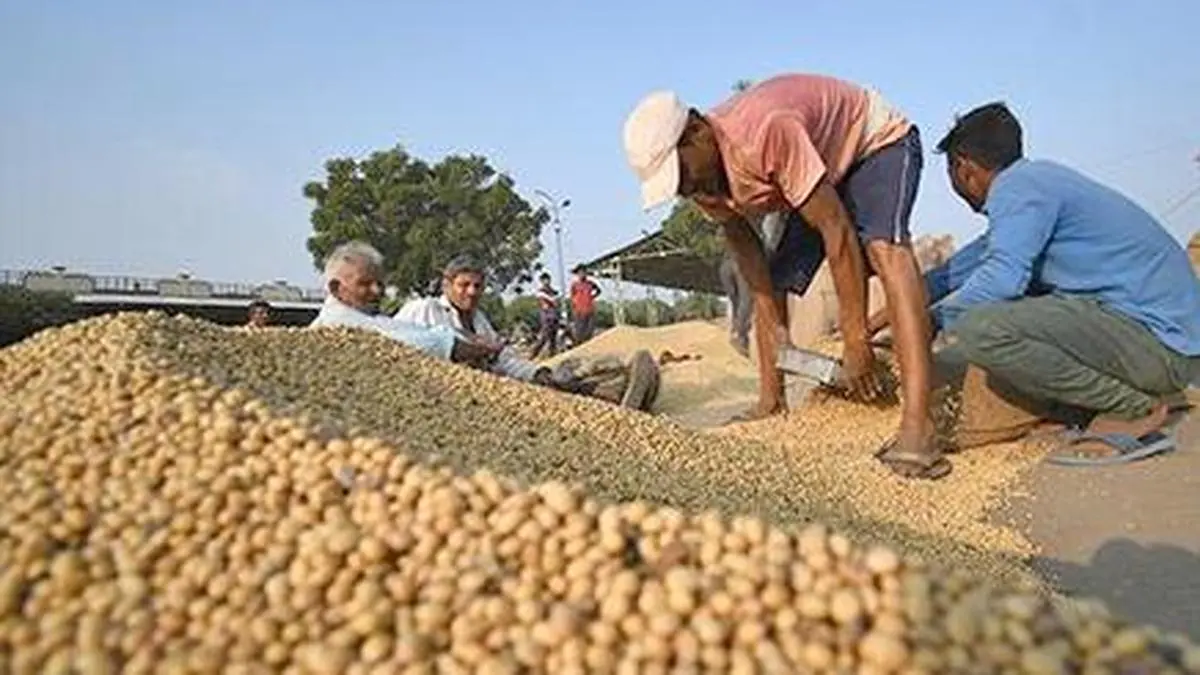
The Soybean Processors Association of India (SOPA) has released its production outlook for the kharif 2026 season, estimating national soybean output at 10.79 million tonnes (107.93 lakh tonnes). Despite a noticeable expansion in overall sown acreage across the country, total production is pegged slightly lower compared to previous expectations, reflecting the complex interplay of regional weather anomalies and yield fluctuations.
A notable shift in India's domestic oilseed landscape is the resurgence of Madhya Pradesh as the country's leading soybean producer. The state reclaimed the top spot by posting a strong rebound in output, driven by favorable local yield developments. Rajasthan also recorded robust production gains, offsetting some of the shortfalls experienced elsewhere in the major cultivation belts.
Conversely, key producing states such as Maharashtra and Karnataka faced headwinds during the growing season. Reductions in local yields and weather-related stress in these southern and western regions weighed down the national aggregate, preventing a larger harvest despite the wider area planted by farmers ahead of the monsoon.
For European grain and oilseed markets, shifts in Indian domestic production directly influence global vegetable oil and protein meal trade flows. While India primarily consumes its domestic soybean crop, fluctuations in its import demand for sunoil, palm oil, and soymeal ripple through international commodity exchanges, impacting global pricing trends for feed ingredients used by livestock producers from Poland to the Netherlands.
As crushers and traders adjust their balance sheets to account for SOPA's latest estimates, European agricultural supply chains remain watchful of Asian demand patterns. Volatility in global oilseed supplies can quickly translate into fluctuating input costs for compound feed manufacturers across the continent.