
Innovafeed Secures $59M to Scale Insect Protein Production as Industry Matures
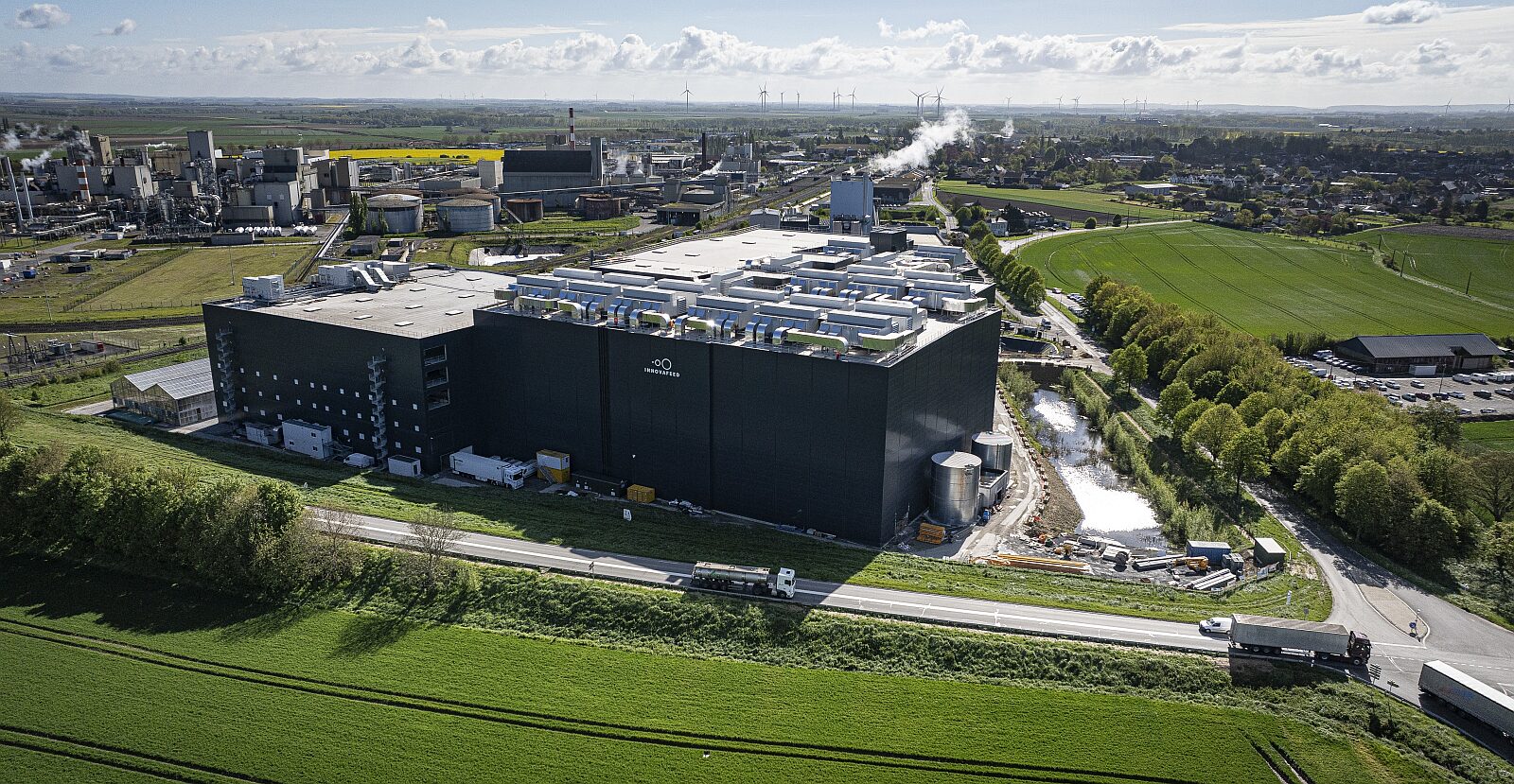
The insect farming sector, long touted as the future of sustainable animal feed, is entering a new phase of industrial realism. French company Innovafeed recently secured a €51 million ($59 million) funding round to consolidate its operations and double down on commercial-scale production of black soldier fly larvae.
Rather than expanding its research footprint, the company is undergoing a restructuring that includes cutting 60 R&D and pilot facility jobs. The focus has shifted entirely to its flagship production facility in Nesle, France. This pivot highlights a broader trend in agricultural technology: moving past the venture-capital-fueled experimental phase into the harsh reality of achieving profitability and operational efficiency.
For the agricultural feed supply chain, Innovafeed's progress is notable. The company reports it has reached an output of 1,000 tons of insects per week. Crucially for cost management, their Nesle facility operates in symbiosis with a neighboring Tereos starch processing plant, utilizing wheat byproducts as a steady, localized feedstock for the larvae.
This industrial milestone comes during a period of reckoning for the broader insect agriculture industry. Several high-profile European startups have recently faced bankruptcy or restructuring after struggling with the complexities and high costs of scaling biological systems. The survivors are proving that success requires tight integration with existing agri-food supply chains and waste streams.
What this means for the market: The stabilization of companies like Innovafeed indicates that insect-based proteins are becoming a reliable commercial reality for aquaculture and pet food. For the broader agricultural sector, it underscores that the most viable agritech models are those directly solving waste-management issues or utilizing local agricultural byproducts to reduce input costs.
— agronom.work editorial team