
Insect Farming Shifts to Waste Management: Cheaper Feed for Farmers
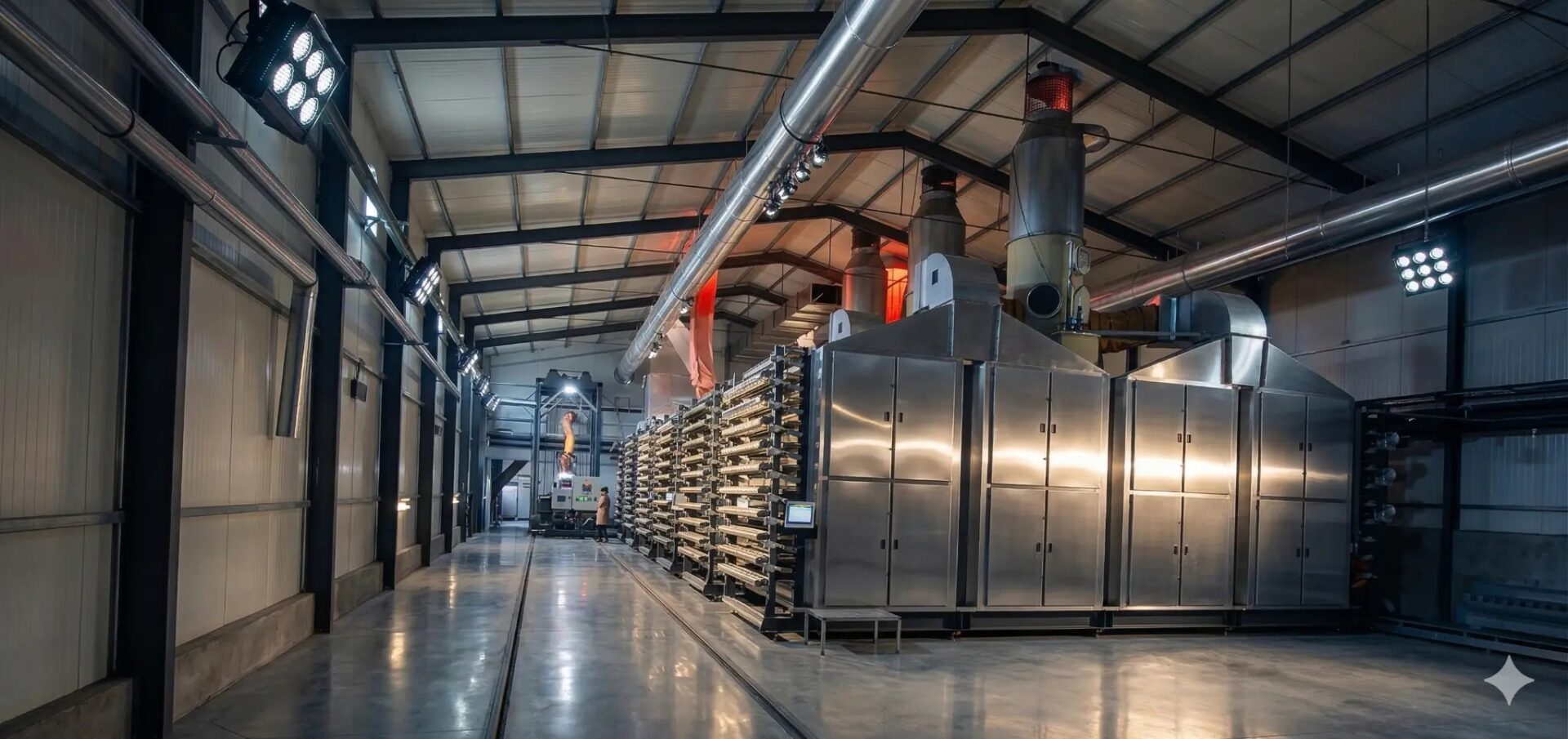
The European insect farming industry is undergoing a significant correction, shifting its focus from producing premium-priced protein to becoming a practical agricultural waste management solution. This pivot could have direct benefits for livestock and poultry farmers looking for affordable, sustainable feed alternatives.
Initial attempts at large-scale, vertically integrated insect farms struggled due to high capital and climate control costs. Many assumed the agricultural market would pay premium prices for black soldier fly meal. However, livestock producers and feed buyers require protein at commodity prices, typically under $2 per kilo, a target most early Western facilities failed to meet.
A new, decentralized approach is emerging that integrates insect production directly with existing agricultural and organic waste streams. By co-locating insect facilities with waste producers, operators can drastically reduce feedstock costs, utilizing stranded pre-consumer fruit and vegetable waste. This model also relies on sourcing juvenile larvae from specialist breeders rather than maintaining complex, on-site breeding operations.
Technological innovations, such as leveraging the metabolic heat generated by the larvae themselves instead of relying on expensive multi-level climate control, are also bringing production costs down. These advancements are making it feasible for European insect products to compete with imported meals and potentially even undercut traditional fishmeal prices.
Beyond protein, the production of insect frass—a nutrient-rich byproduct—offers a scalable source of organic fertilizer for crop farmers. Large waste managers are indicating strong interest in purchasing and distributing frass, creating a new circular economy loop that benefits both the waste and agricultural sectors.
Context for farmers: The shift towards decentralized, waste-integrated insect farming means cheaper local protein feed and organic frass could soon be available at scale. Farmers generating significant organic waste may also find new partnership opportunities to monetize their byproducts.
— agronom.work editorial team