
Novel Engineered Probiotic Shows Promise in Fighting Livestock Salmonella
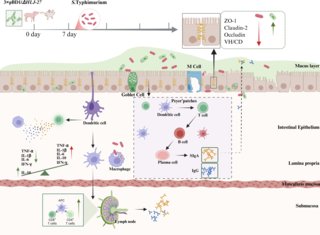
Antimicrobial resistance (AMR) remains one of the most critical challenges facing the European agricultural sector. As regulators tighten rules on the use of antibiotics for growth promotion and preventative treatment, the industry is searching for viable, stable alternatives. Recent research into an engineered strain of Lactobacillus paracasei offers a dual-action solution that could shift how we manage intestinal health in livestock.
The study highlights a specific engineered bacterium, 3×pBD1/ΔHLJ-27, which was designed to survive the harsh conditions of the gastrointestinal tract. Unlike standard probiotics that often lose efficacy in high-density farming environments, this strain is engineered to produce targeted antimicrobial peptides that specifically inhibit the growth of Salmonella, a persistent pathogen that causes significant economic losses for poultry and pig farmers across the EU.
Beyond its pathogen-fighting capabilities, the engineered probiotic has demonstrated a significant role in growth promotion. By modulating the host's immune system and stabilizing the gut microbiota, the strain improves nutrient absorption efficiency. For a farmer, this translates into potentially better feed conversion ratios (FCR) without the need for traditional pharmacological growth promoters.
Integrating this technology into large-scale production could provide a much-needed buffer against the rising costs of veterinary care and the economic impact of disease outbreaks. The ability of the strain to regulate host immunity also suggests it could improve overall herd resilience, which is crucial as European farms face increasing pressure to adopt more sustainable, lower-input husbandry practices.
Practical takeaway: While still in the development phase, this technology signifies a shift toward bio-engineered gut health supplements that may replace standard antibiotic prophylactic regimens. Farmers should keep an eye on upcoming regulatory approvals for engineered probiotics, as these could soon become the new standard for reducing salmonellosis risk and boosting herd performance.
— agronom.work editorial team