
Italian Clam Crisis: When Invasive Species Disrupt Aquaculture Supply Chains
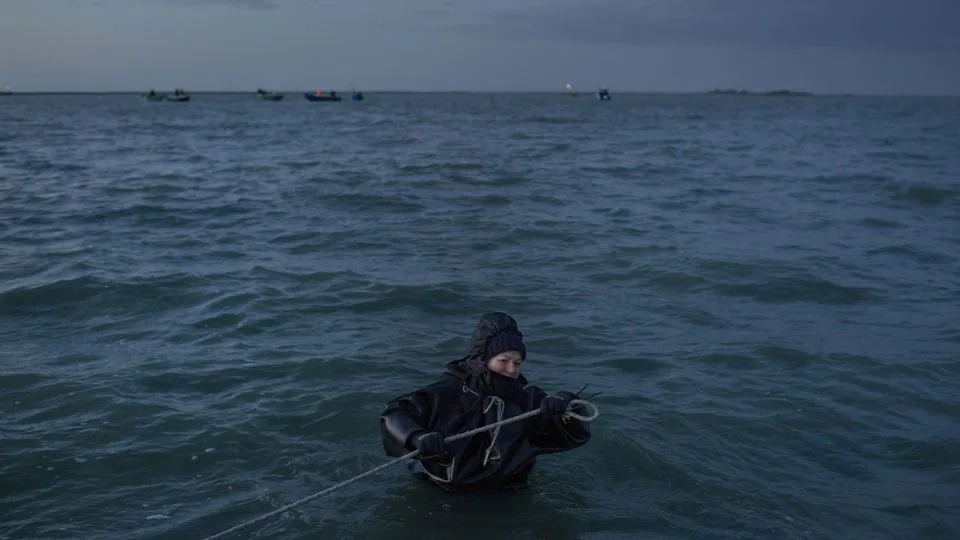
The Italian clam industry, particularly in the Po Delta region, is facing an unprecedented ecological and economic disaster. The invasive Atlantic blue crab, a species native to the Americas, has proliferated rapidly in local lagoons, systematically destroying local clam beds. For generations of traditional fishers, this has resulted in a total loss of livelihood as their primary product is decimated before it reaches market maturity.
For the broader European aquaculture sector, this crisis serves as a grim case study on how rapidly invasive species can alter regional production landscapes. The blue crab is an aggressive predator that not only consumes bivalves but also destroys the nets and equipment used by aquaculturists. This disruption highlights the fragility of coastal farming systems when confronted with biodiversity shifts and warming water temperatures.
The impact is not merely limited to the fishers themselves. The supply chain downstream—processors, distributors, and exporters—is experiencing significant volatility. Italy has long been Europe’s leading producer of Venus clams, and the supply shortage is forcing buyers to look toward other Mediterranean sources or switch to imports, driving up commodity prices across the continent.
Agronomists and environmental researchers point out that this situation mirrors risks faced in terrestrial agriculture, where invasive pests can suddenly thrive due to climate-driven habitat changes. Managing such outbreaks requires integrated pest management strategies, but controlling a mobile aquatic predator in an open lagoon environment is infinitely more complex than treating field crops.
Context for farmers: This invasion demonstrates how climate-linked biodiversity shifts can collapse entire regional economies overnight. Operators in aquaculture and coastal agriculture should prioritize biosecurity protocols and early-warning monitoring systems to identify invasive species before they reach the saturation levels seen in the Scardovari lagoon.
— agronom.work editorial team