
Italian AgTech Startup Deploys Smart Tractors on Steep Slopes
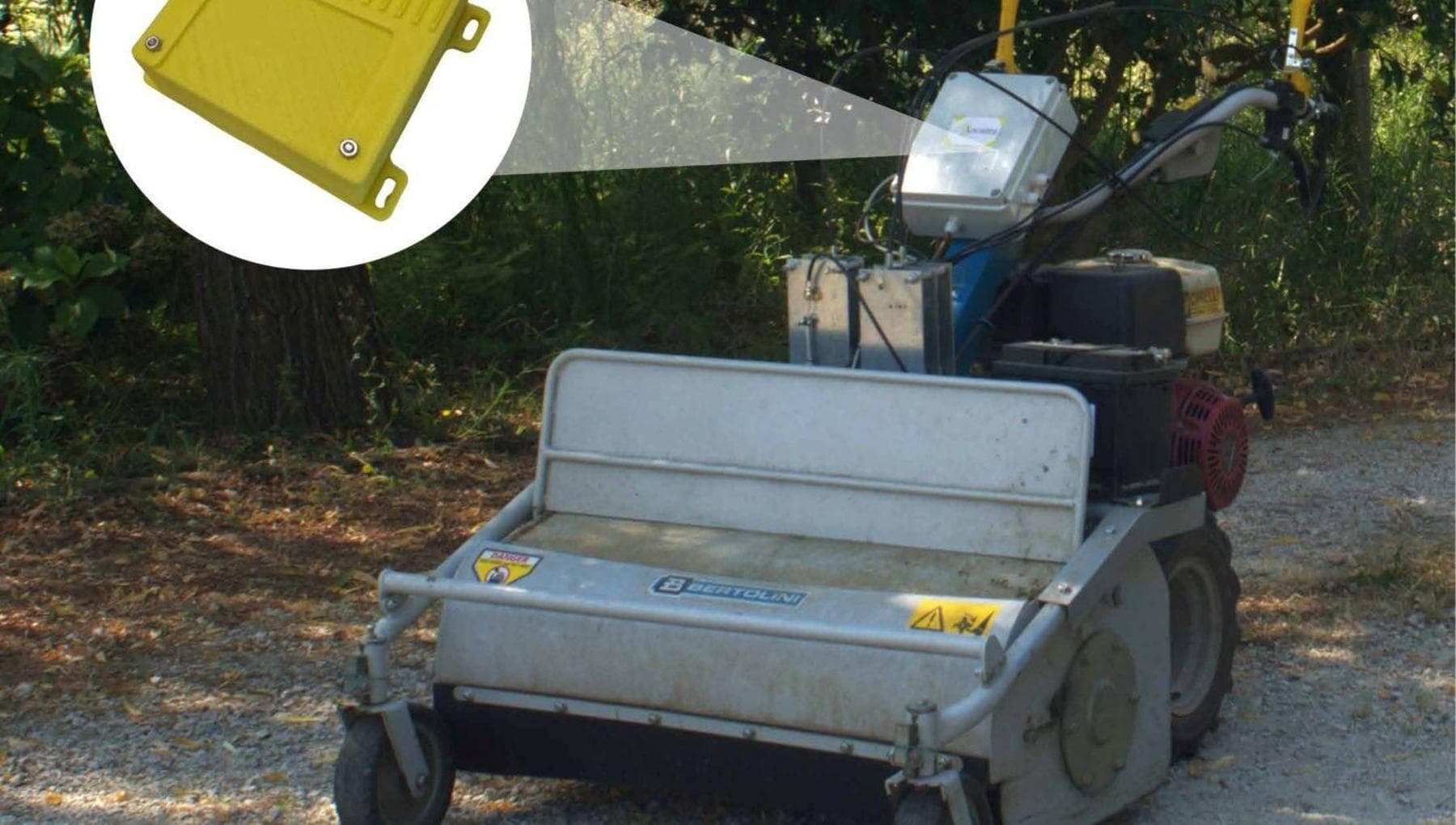
Across the vast plains of intensive monoculture farming, heavy machinery easily navigates using satellite guidance. However, Europe's dramatic mountain landscapes and hillside terraces present a completely different set of challenges. Steep slopes, narrow turns, and fragmented plots make conventional tractors not only inefficient but dangerously prone to tipping over. In regions like Abruzzo in Italy, maintaining these traditional agricultural landscapes has historically relied heavily on manual labor or intensive chemical weed control to manage vegetation on difficult terrain.
A local agritech startup named Anostra is tackling this vulnerability by introducing specialized agricultural robotics designed specifically for challenging topography. Their smart tractors are built to operate where standard GPS signals fail due to natural barriers like mountainsides, deep valleys, and dense canopies. By utilizing advanced local sensor arrays and autonomous navigation algorithms, these compact robotic platforms can safely traverse steep vineyard terraces and orchard slopes that would otherwise require high-risk manual operations.
For specialty crop producers operating in hilly or mountainous areas across Europe—from the steep wine-growing regions of Germany and France to traditional orchards in Poland and Italy—mechanizing steep slopes has long been a major bottleneck. Labor shortages and rising wage costs make hand-weeding and manual hillside maintenance increasingly unsustainable economically. Autonomous machinery that can operate safely on gradients helps bridge this labor gap while ensuring continuous crop care in areas vulnerable to erosion.
Beyond labor savings, deploying precise mechanical weed control instead of broad-spectrum herbicides on slopes has profound environmental implications for soil health. Steep agricultural land is notoriously susceptible to heavy erosion during intense rainfall events. When chemical weedkillers strip away all ground cover entirely, topsoil washes down the slope rapidly, degrading the land and silting up local waterways. By utilizing targeted mechanical weeding, these smart tractors manage unwanted growth while preserving vital root structures and organic cover that anchor the soil in place.
What this means for the market: As European regulations increasingly restrict chemical plant protection products and labor remains scarce, innovations in hillside robotics offer a viable pathway to keep marginal lands productive. Farm managers in topography-heavy agricultural zones should monitor how autonomous mechanical weeding solutions scale commercially, as they could soon redefine cost structures and land management practices for specialty crops on slopes.