
Pulverised glass as a silicon fertilizer: New frontiers in soil health
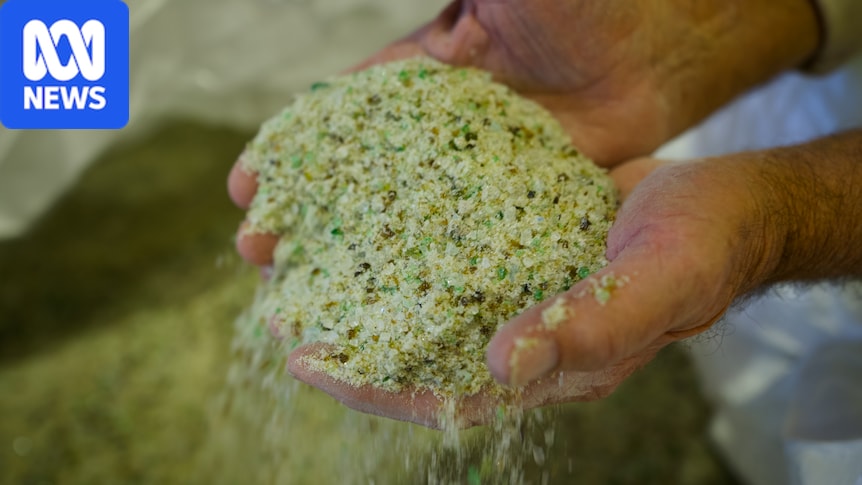
A growing trend in sustainable agriculture involves the application of pulverised recycled glass as a soil amendment. Rather than ending up in landfills, processed glass is being transformed into a fine powder that acts as a valuable source of plant-available silicon. Agronomists are observing that this practice can significantly alter soil structure and plant health.
Silicon is often overlooked in traditional NPK fertilizer regimes, yet it plays a crucial role in plant resilience. By strengthening cell walls, silicon-fortified crops show improved resistance to biotic and abiotic stresses, including drought, salinity, and pest attacks. For farmers, this translates to plants that stand more upright and suffer less lodging, especially in high-yield cereal crops.
The process involves industrial-grade crushing to ensure the glass particles are safe to handle and possess the correct chemical solubility. When applied to fields, these particles gradually weather, releasing silica into the soil solution. This method serves a dual purpose: diverting glass waste from municipal streams and providing a low-cost, effective micronutrient amendment for acreage.
However, the transition from lab-proven efficacy to widespread field adoption requires caution. Agronomists emphasize that the source material must be free of contaminants such as heavy metals or plastic residues. Furthermore, the particle size distribution must be precise to ensure effective breakdown without damaging machinery or posing safety risks during application.
Context for farmers: While silicon supplementation is gaining traction for its potential to boost crop defense mechanisms and improve nutrient uptake, farmers should conduct soil testing and small-scale trials before large-scale application. Ensure that your supplier provides certified glass-powder free of impurities to avoid long-term soil contamination and machinery abrasion issues.
— agronom.work editorial team