
US Farm Funding Shifts Ripple Through Global Agricultural Markets
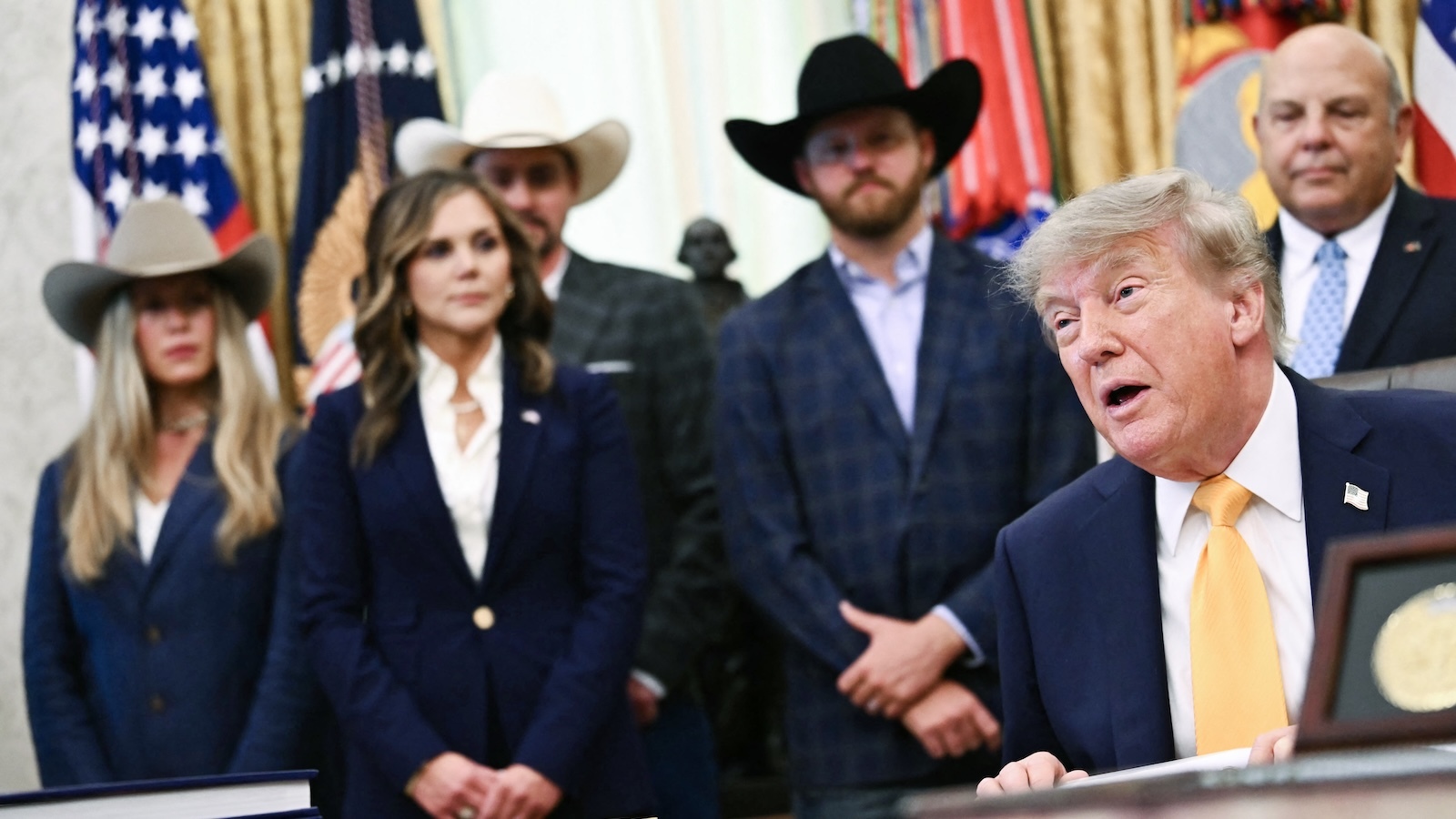
Recent developments in United States agricultural policy have once again thrust farm funding into the political spotlight. Over the past few years, cuts and rollbacks to various USDA programs left many American producers facing financial uncertainty. However, a sudden influx of billions of dollars just ahead of the recent election cycle aimed to stabilize the domestic agricultural sector, demonstrating how vital state financial backing remains for primary producers.
For European agronomists and farm managers monitoring transatlantic markets, these policy maneuvers carry significant weight. United States agricultural subsidies directly influence global commodity pricing, particularly for major export crops like corn, soybeans, and wheat. When American producers receive sudden capital injections or face localized funding squeezes, the ripples are quickly felt on international exchanges, altering trade flows and hedging strategies for European traders.
The current agricultural climate across the European Union, Poland, Germany, and neighboring regions is already heavily scrutinized due to ongoing Common Agricultural Policy adjustments and stringent environmental compliance costs. Watching how major competitors outside the EU navigate state aid, emergency disaster relief, and farm-level funding provides crucial benchmarks for farm owners planning their operational budgets and crop rotations.
Furthermore, shifts in federal support frequently dictate machinery investment cycles, agritech adoption rates, and decisions regarding sustainable farming transitions. When financial buffers tighten or expand, farmers alter their capital expenditure plans accordingly, impacting equipment manufacturers and precision agriculture tech providers operating across both North America and Europe.
Ultimately, the ebb and flow of agricultural subsidies serves as a reminder of the sector's reliance on policy frameworks. Farm operators must continuously factor geopolitical decisions and budgetary shifts into their long-term enterprise planning to safeguard profitability against market volatility.
What this means for the market: While direct US funding decisions do not alter EU domestic subsidies, they heavily dictate global export competition and commodity price trends. European producers should closely monitor international grain pricing shifts when locking in forward contracts for the upcoming season.
— agronom..work editorial team