
From Rice Shortage to Market Surplus: What Japan's Volatile Grain Pivot Teaches European Producers
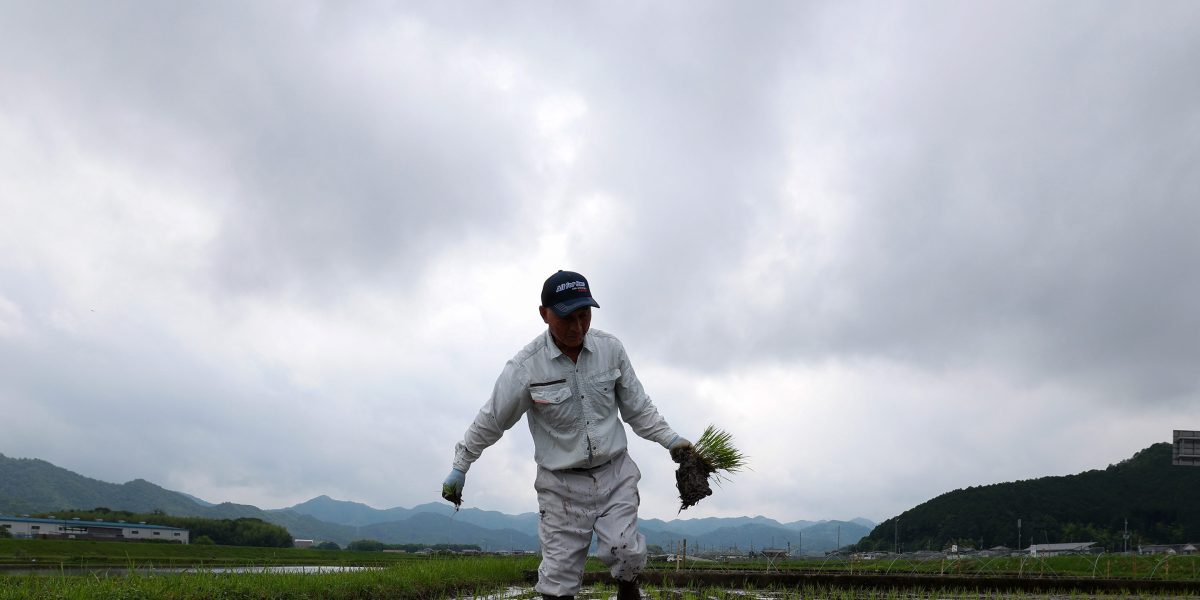
European grain producers and agronomists watching global agricultural markets are drawing lessons from an extraordinary supply swing in Japan, where a severe climate-driven shortage has reversed into a heavy surplus within a span of two years. In 2023 and 2024, extreme summer temperatures and prolonged drought severely impacted domestic paddy yields, triggering a retail panic, skyrocketing prices, and even political fallout that led to a ministerial resignation. The sudden spike in demand and constricted supply exposed vulnerabilities in staple food supply chains that feel increasingly familiar to agricultural regions across the globe.
Faced with empty shelves and soaring costs, Japanese growers and agricultural cooperatives responded by aggressively expanding production targets, utilizing every available hectare, and optimizing irrigation strategies. However, this reactionary overcorrection, combined with steady shifts in consumer consumption patterns and macroeconomic factors, quickly pushed the market from deficit to a burdensome surplus. For grain farmers in major producing hubs across Eastern and Western Europe, this pendulum effect illustrates the delicate balance required when adjusting acreage in response to temporary price anomalies.
Climate volatility remains the primary disruptor for cereal crops, whether it is paddy rice in Asia or wheat and corn across the European Union, Ukraine, and the Black Sea basin. Unpredictable heatwaves and erratic precipitation patterns continue to challenge traditional planting calendars and yield forecasting models used by agronomists. When extreme weather events cause localized panics, the agricultural sector often reacts by over-allocating resources, risking subsequent market gluts that can depress producer gate prices just as input costs for fertilizers and diesel remain elevated.
Furthermore, international trade dynamics and tourism trends played a significant role in distorting demand forecasts in the Japanese market, underscoring how non-agricultural factors can suddenly upend supply chains. For commercial farms operating in export-oriented European nations, monitoring broader macroeconomic indicators and tourism-driven hospitality demand is becoming as crucial as tracking soil moisture levels and agritech yield monitors. As climate change increases the frequency of weather shocks, agricultural stakeholders must navigate a landscape where supply and demand can flip drastically from one season to the next.
Ultimately, the Japanese experience serves as a stark reminder of the resilience required throughout the agricultural value chain, from primary producers to grain traders and policymakers. Adopting advanced climate-smart farming techniques, precision irrigation, and flexible storage infrastructure helps mitigate the initial shocks of weather anomalies without committing farms to unsustainable long-term overproduction. As European agriculture adapts to its own environmental and market pressures, balancing responsiveness with strategic caution will remain vital for maintaining crop profitability and market stability.