
Kashmir Pushes for Pesticide-Free Apple Orchards Amid Health and Market Shifts
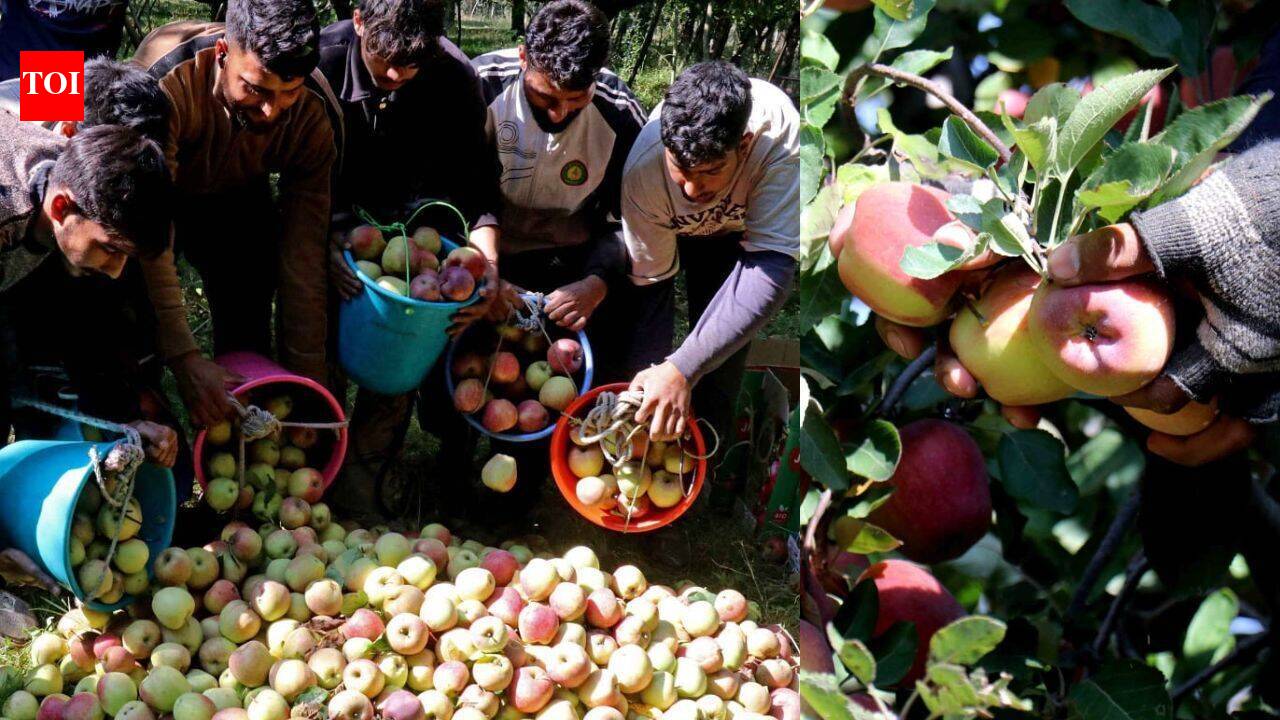
Apple orchards across major production regions face mounting pressure over intensive chemical usage, residue limits, and long-term environmental safety. Recent field trials conducted by the Sher-e-Kashmir University of Agricultural Sciences and Technology of Kashmir (SKUAST-K) are addressing these concerns head-on by exploring viable pathways toward pesticide-free apple cultivation. As health concerns and stricter maximum residue limits (MRLs) influence global fruit trade, these agronomic trials offer a timely look at how traditional high-input orcharding might evolve.
The initiative stems from a growing need to safeguard both public health and ecological balance in intensive horticulture zones. Chemical crop protection has long been the baseline for managing scab, codling moth, and other persistent orchard pests in mountain valleys. However, heavy reliance on synthetic inputs raises questions regarding soil microbiome degradation, water contamination, and consumer safety. By testing biological controls, resistant varieties, and integrated pest management (IPM) strategies to their absolute limits, researchers are attempting to prove that commercial-grade yields are achievable without conventional chemical regimes.
For commercial fruit growers and agronomists, transitioning away from synthetic pesticides requires a fundamental redesign of orchard management practices. European and international markets are increasingly tightening import criteria regarding chemical residues, making residue-free or organic certification a lucrative avenue for producers able to meet the standard. Yet, eliminating standard sprays without facing devastating yield losses or quality downgrades demands sophisticated monitoring tools, precise weather-tracking models, and rigorous biological pest suppression methods.
SKUAST-K's successful preliminary trials have paved the way for a broader rollout scheduled for next year, alongside proposed institutional frameworks for monitoring pesticide residues. While scaling up such programs from controlled plots to commercial-scale farms involves logistical hurdles—including the risk of localized pest outbreaks and short-term economic instability for growers—the long-term viability of high-value horticulture may depend on successfully adopting these low-input techniques. Neighboring fruit-growing regions in Europe and Central Asia facing similar scrutiny over chemical use will be watching these developments closely.
What this means for the market: As consumer awareness and regulatory pressures mount, horticultural producers exploring residue-free cultivation could unlock premium export markets, though managing transition risks and adopting advanced IPM protocols will be critical to protect seasonal yields.
— agronom.work editorial team