
Kashmir Saffron Under Threat: Heat Stress and Dry Spells Jeopardize Premium Harvest
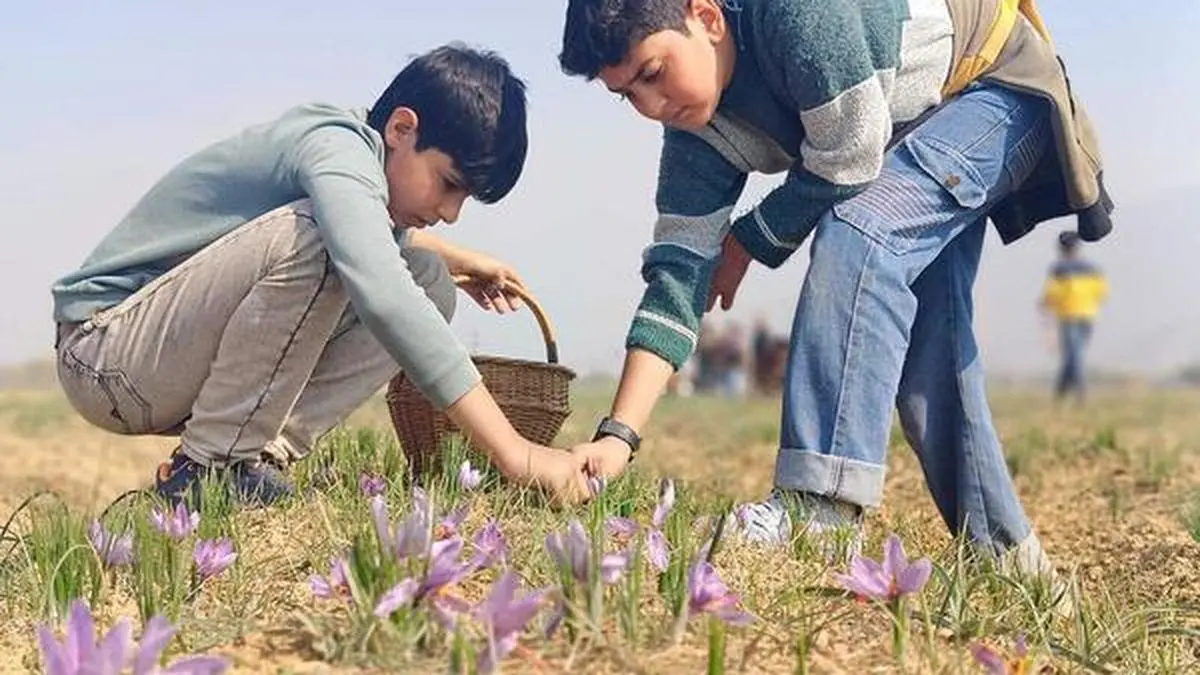
Saffron cultivation in the fertile plateaus of Kashmir, particularly around Pulwama, is facing an unprecedented agro-climatic challenge. A prolonged dry spell combined with unseasonably high temperatures has severely disrupted the natural lifecycle of Crocus sativus, the precious plant from which the world's most expensive spice is harvested. For generations, local farming communities have relied on specific autumn rainfall patterns to trigger corm sprouting and subsequent flowering, a delicate biological process now thrown off balance.
Agronomists monitoring the region report that the lack of soil moisture is not only stunting vegetative growth but also threatening the vitality of the corms planted underground. Saffron corms require precise moisture thresholds during their dormancy and pre-flowering phases to ensure high-yielding flower emergence. When soils bake under prolonged high temperatures, the bulbs risk thermal stress, dehydration, and susceptibility to soil-borne pathogens, which can severely compromise yields for the current season and future planting cycles.
This environmental pressure directly translates into acute economic vulnerability for smallholder farmers across the region. Saffron farming is intensely labor-intensive, requiring meticulous hand-harvesting and processing of the delicate red stigmas within a very narrow autumn window. When drought decimates the total volume of flowers, the return on investment plummets, leaving growers struggling to cover the high labor and input costs associated with maintaining perennial corm beds.
While traditional Kashmiri saffron holds a prestigious Geographical Indication (GI) tag and commands high market value globally, climate volatility is steadily eroding production reliability. Experts note that shifting weather patterns across South Asia are forcing agricultural communities to reconsider traditional practices, pushing the boundaries of where and how specialty crops can be sustainably cultivated without heavy investments in supplemental irrigation infrastructure.
What this means for the market: Persistent supply deficits in key artisanal production zones like Kashmir tend to exert upward pressure on global saffron prices, benefiting producers who manage to secure yields while penalizing buyers reliant on steady volumes. For specialty spice traders and European importers, tightening supply highlights the growing vulnerability of geographically concentrated agricultural commodities to climate change.
— agronom.work editorial team