
Kharif Sowing Decline: Global Implications for Pulse and Oilseed Markets
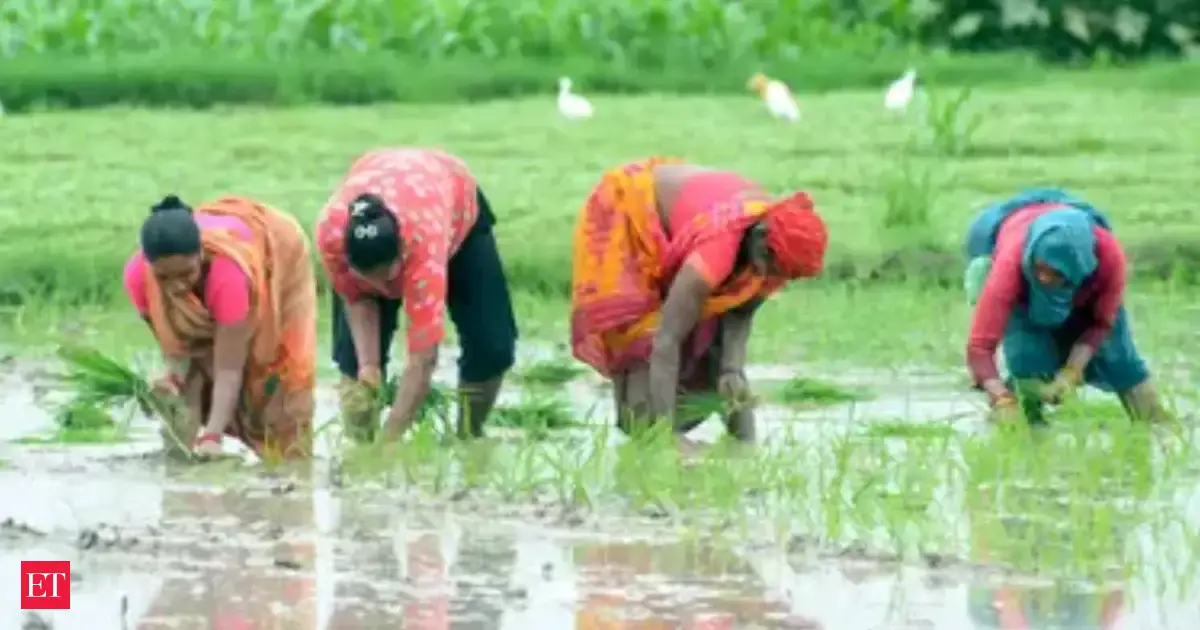
Indian agricultural data shows that Kharif season sowing has reached 894.22 lakh hectares, marking a 3% decline compared to the previous cycle. While this covers 81% of the normal expected area, the reduction in paddy and pulse cultivation is being closely monitored by global commodity analysts. For European markets, the Kharif season is a critical indicator of regional supply availability for specific food grains.
For European agronomists and grain traders, the drop in pulse acreage is the most significant development. India remains a major importer of various pulse varieties, and any production shortfall often leads to increased government intervention or shifts in import tariffs. This volatility directly impacts European exporters who specialize in peas, lentils, and beans, as market dynamics in the subcontinent dictate global price floors.
The slight increase in oilseed acreage provides a contrasting signal. As global demand for vegetable oils remains firm, Indian efforts to expand domestic production are aimed at reducing reliance on imports. For European farmers and crushers, this highlights a long-term strategic effort in Asia to stabilize domestic prices, which could eventually reduce the volume of palm and sunflower oil imports required in the region.
While sugarcane and cotton acreage shows stability or slight growth, the shortfall in coarse cereals and pulses remains the primary concern for supply chain stability. These crops are vital for food security and feed production, and any deficit in a major producing nation like India often creates a ripple effect, forcing international buyers to compete for limited stocks.
What this means for the market: European grain traders and farmers should anticipate potential price volatility in pulse markets as India balances domestic demand. Monitor upcoming harvest updates to see if yield improvements compensate for the lower acreage, as this will determine the necessity for increased international procurement in the coming quarter.
— agronom.work editorial team