
AI in Agriculture: Can Global Models Help European Farms?
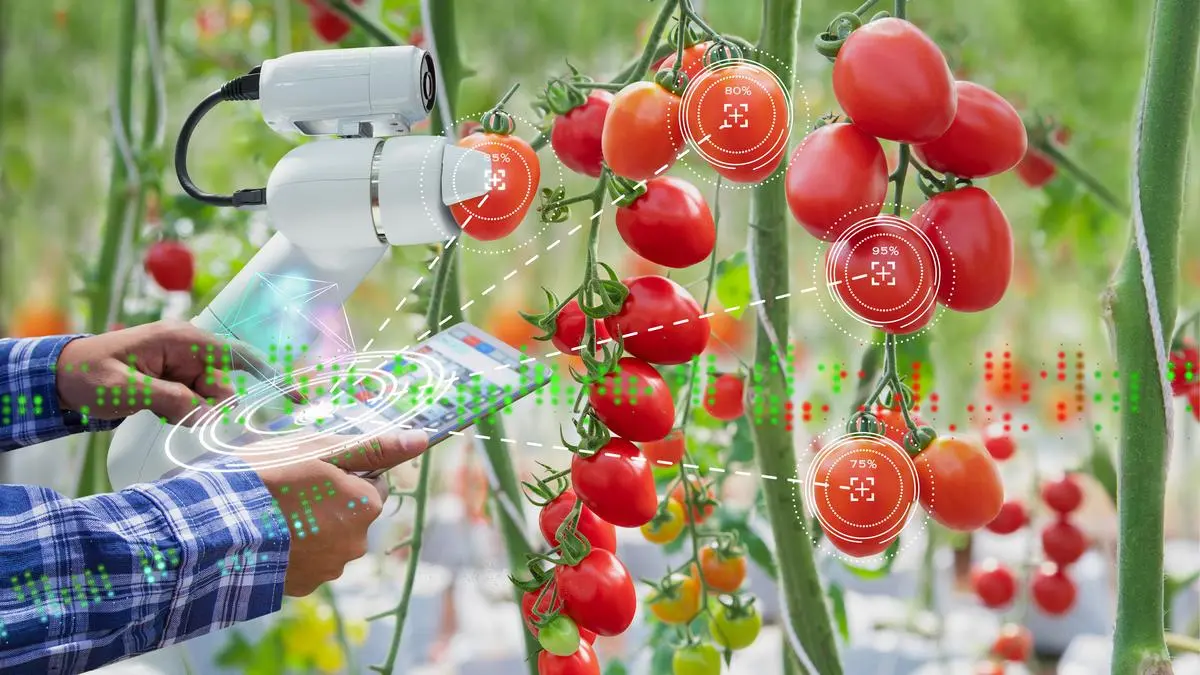
The rapid integration of Artificial Intelligence in India's agricultural sector is setting a new precedent for how technology meets traditional farming. By combining field-level data with local language accessibility, developers are creating tools that assist smallholders in decision-making—from optimizing irrigation schedules to identifying crop diseases through image recognition. These platforms function as a digital bridge between scientific research and the practicalities of daily field management.
For European farmers, the Indian model highlights a shifting paradigm: the move away from high-cost, proprietary machinery-linked software toward interoperable, digital public infrastructure. While the scale of Indian farming often involves smaller plots, the core objective of using AI to reduce input waste—specifically water and fertilizers—is directly transferable to the European context, where sustainability regulations are increasingly tightening.
European agronomists and farmers are already familiar with precision agriculture, but the next wave involves AI that processes hyper-local weather data alongside satellite imagery to offer predictive crop management. The challenge in Europe remains data sovereignty and the fragmentation of digital tools. Unlike the Indian approach, which leans into centralized public-private partnerships, the European market remains heavily driven by private tech firms and machine manufacturers.
However, the potential for AI-driven risk management is immense. By leveraging real-time data to forecast pest outbreaks or market price volatility, European producers could better position themselves within the volatile EU supply chain. This is especially relevant for regions dealing with climate instability, where predictive modeling can provide a necessary buffer against yield loss.
Context for farmers: While AI tools are becoming more accessible, they must be vetted for local regulatory compliance, particularly regarding data privacy and the Common Agricultural Policy's digital requirements. Evaluate whether new digital services integrate with your existing farm management systems before scaling their use to avoid data siloing.
— agronom.work editorial team