
State Wheat Auction Allocation Cuts Hit Millers Despite High Demand
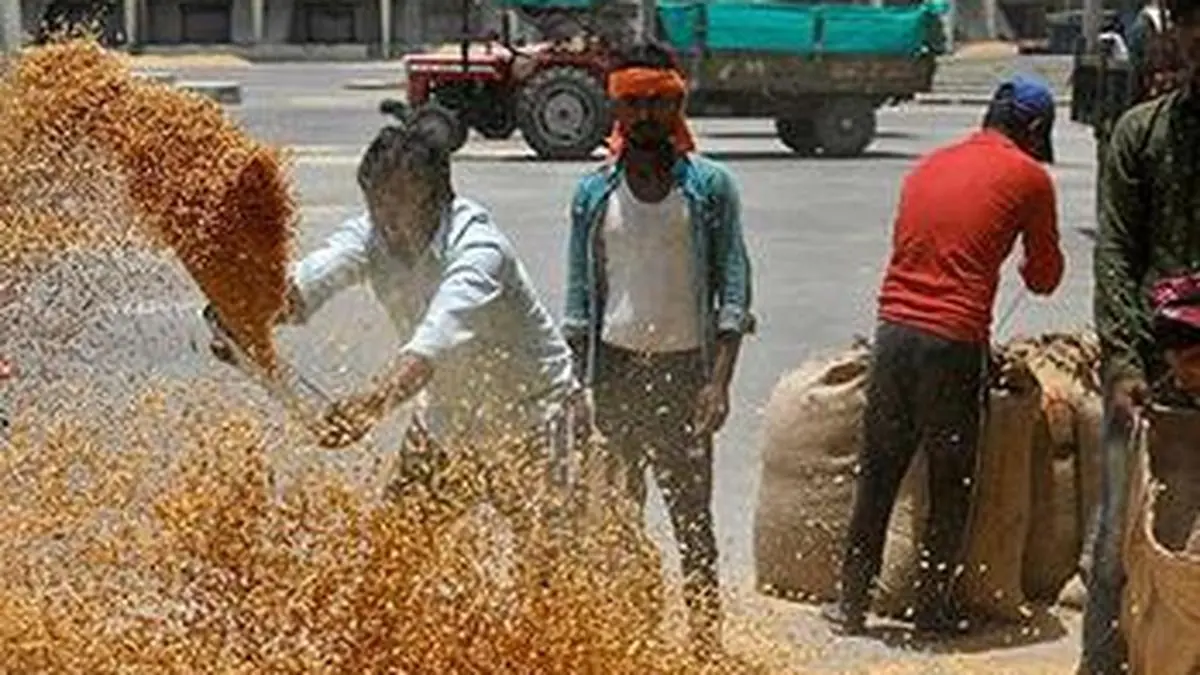
Grain millers across several regions find themselves facing a perplexing supply squeeze as state authorities scale back wheat allocations in ongoing weekly auctions. Even with processors ready to bid and pay premium rates exceeding ₹31 per kilogram, the government trimmed the overall offering by 5,000 tonnes down to 1.01 lakh tonnes for the upcoming tender session.
This tightening of state-held reserves directly impacts flour millers and regional processors who rely heavily on these public auctions to maintain steady operations. In key agricultural consumption hubs like Assam, Karnataka, and Telangana, industrial buyers have registered maximum offtake rates in previous weeks, signaling robust underlying demand for food grains.
For grain traders and agro-industrial operators, managing raw material inventory has become increasingly complex amid shifting government intervention policies. When public stocks are tightly managed or artificially restricted during periods of high commercial demand, local spot market prices often experience unexpected volatility, forcing processors to reevaluate their procurement strategies.
State-managed grain release programs serve as a critical price stabilization mechanism in major agricultural economies, balancing public food security reserves against open market inflation. However, sudden downward adjustments in weekly tender volumes can disrupt supply chains, particularly for independent millers who lack direct access to large-scale private farmgate procurement networks.
What this means for the market: Grain processors and commercial buyers should anticipate continued tightness in public wheat supply channels and adjust procurement budgets to accommodate competitive bidding environments. Monitoring state inventory release patterns remains essential for risk management in local grain value chains.
— agronom.work editorial team