
Turning Forest Biomass Into Organic Fertilizer: A Model for Sustainable Farm Inputs
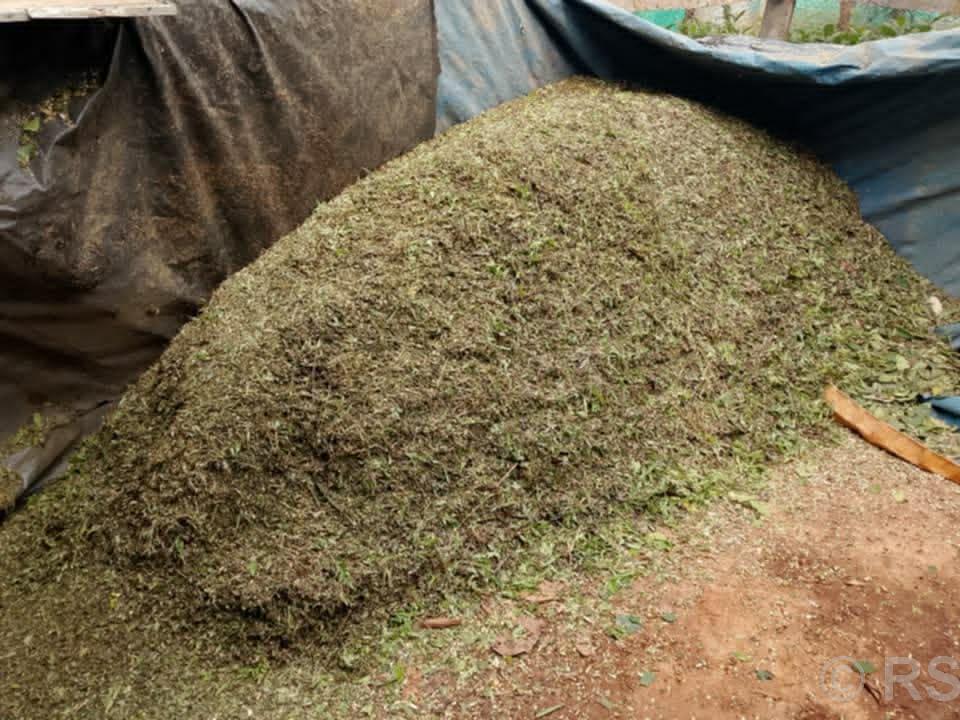
A growing movement in Gorkha is demonstrating how local biomass, specifically forest leaf litter, can be transformed into high-quality organic fertilizer. By collecting waste that was previously neglected or burned, community forest groups are creating a circular system that supports soil health while reducing dependency on external supply chains.
For European farmers, this approach underscores the increasing importance of on-farm nutrient management. As the EU pushes toward the Green Deal's goals of reducing synthetic fertilizer use by 20% by 2030, finding local, low-cost alternatives to stabilize soil organic matter is becoming a priority for agronomists and land managers alike.
Leaf litter is rich in carbon and, when composted correctly, provides the essential structure that synthetic fertilizers lack. In regions where livestock manure is becoming harder to source due to regulatory pressure on nitrogen cycles, utilizing non-food biomass offers a potential path for maintaining soil productivity without increasing the carbon footprint of fertilizer procurement.
The transition to forest-based inputs requires careful preparation, including mechanical shredding and the use of bacterial inoculants to ensure rapid decomposition. Integrating such practices allows farms to manage their waste streams better and potentially hedge against volatile global fertilizer price spikes that have affected regional profit margins in recent years.
Context for farmers: While industrial-scale adoption remains complex, the collection of local carbon-rich biomass provides a viable strategy for improving long-term soil structure and cation exchange capacity. Farmers should monitor local composting efficiency and ensure that forest litter is free from pathogens or heavy metals before field application.
— agronom.work editorial team