
Latvia Becomes Major Transit Hub for Russian Grain Amid EU Trade Tensions
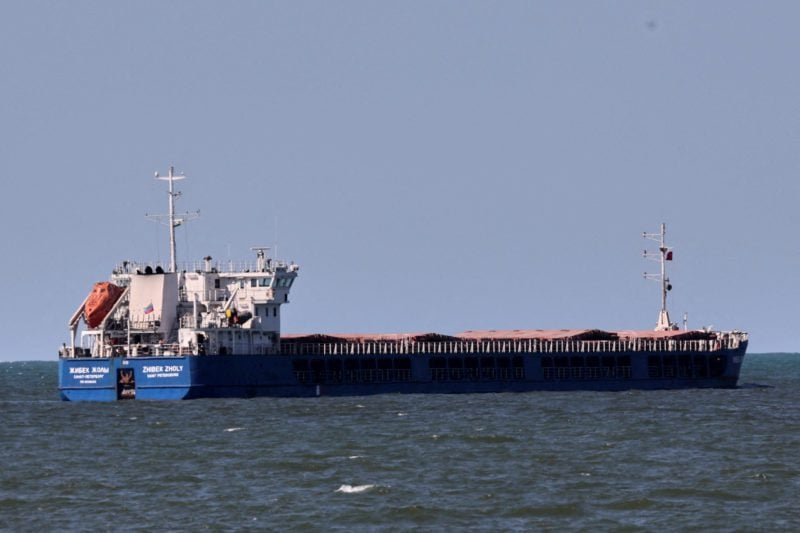
Latvia has unexpectedly emerged as one of the leading transit corridors for Russian agricultural commodities during the current marketing season. Despite sharp political opposition and strict EU sanctions targeting many sectors of Russia's economy, trade data shows that significant volumes of grain continue to move through Baltic ports on their way to global destinations.
For European farmers, agronomists, and grain traders, this development underscores the complex reality of international supply chains. Even as Brussels implements stringent trade restrictions and Baltic governments maintain hostile diplomatic stances toward Moscow, bulk commodities often find alternative logistical pathways through EU territory, creating competitive pressure on local European grain prices.
The transit of Russian wheat and other field crops through Latvia has sparked intense debate among agricultural unions across Central and Eastern Europe. Domestic producers in Poland, the Baltic states, and neighboring countries have repeatedly argued that cheaper Russian supplies entering European logistics networks undermine regional market stability and depress prices for locally harvested crops.
At the operational level, port terminals in the Baltic region handle vast amounts of bulk cargo, blending and re-exporting grain originating from Russian agricultural regions. This trade flow highlights the difficulty of completely decoupling European transport infrastructure from major global commodity exporters, particularly when international maritime shipping routes remain fluid and adaptable to changing regulatory environments.
As the European Commission and national governments review agricultural trade policies and border controls, the position of transit nations like Latvia remains under intense scrutiny. Farm associations continue to lobby for stricter monitoring and tighter enforcement to ensure that regional grain markets are not disrupted by indirect inflows of competitively priced foreign commodities.
What this means for the market: The continued flow of Russian grain through EU member states like Latvia keeps downward pressure on international export prices and complicates regional supply dynamics. Farmers and grain traders should anticipate ongoing price volatility and closely monitor potential regulatory tightenings at Baltic ports that could abruptly alter regional logistics.
— agronom.work editorial team