
Magenta Solar Panels Show Promise in European Agrivoltaics Trials
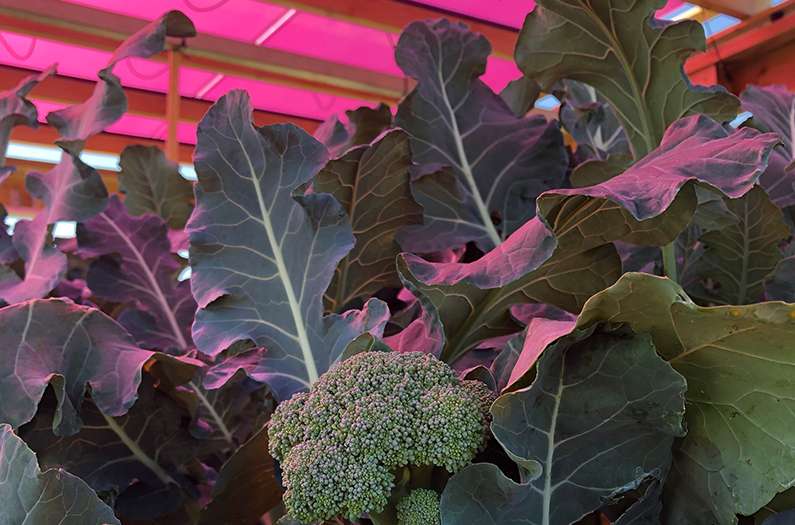
Vegetable farms and renewable energy projects increasingly compete for the same flat, sun-drenched acreage across Europe, from the greenhouses of the Netherlands to the fertile fields of Poland and Germany. Combining land use through agrivoltaics has traditionally faced a major biological hurdle: conventional opaque photovoltaic panels cast deep shadows, reducing overall crop yields for light-hungry vegetables and grains.
A promising technical breakthrough addresses this dilemma by utilizing semi-transparent magenta-tinted solar panels. Instead of blocking the full solar spectrum, these specialized photovoltaic cells selectively harvest specific light wavelengths to generate electricity while letting through the exact red and blue spectrums that plants require most for optimal photosynthesis and healthy growth.
Recent agricultural experiments focusing on broccoli production demonstrate that these magenta panels do not compromise harvest volume. Broccoli yields under the tinted canopy held steady compared to open-field control groups, suggesting that commercial vegetable growers could soon dual-purpose their land without sacrificing crop productivity or quality.
For European agronomists and farm managers navigating strict EU renewable energy targets alongside food production mandates, this technology offers a compelling path forward. Integrating such systems could eventually become eligible for regional agricultural subsidies aimed at green transition initiatives, provided long-term field trials confirm durability and economic viability across various crop rotations.
Adopting advanced agrivoltaics requires significant upfront capital investment in specialized mounting structures and specialized electrical infrastructure. However, the potential to diversify farm income through wholesale electricity sales while continuing intensive vegetable production makes this a technology worth monitoring closely as equipment costs normalize.
What this means for the market: Horticultural producers facing high energy costs and land-use pressures should keep an eye on emerging semi-transparent photovoltaic technologies. While initial setup costs remain high, successful pilot projects indicate that dual land-use models could soon provide a dual revenue stream for specialty crop farms without hurting yields.
— agronom.work editorial team