
Maharashtra Scales Up Crop Loss Assessments to Nearly 3 Crore Sites
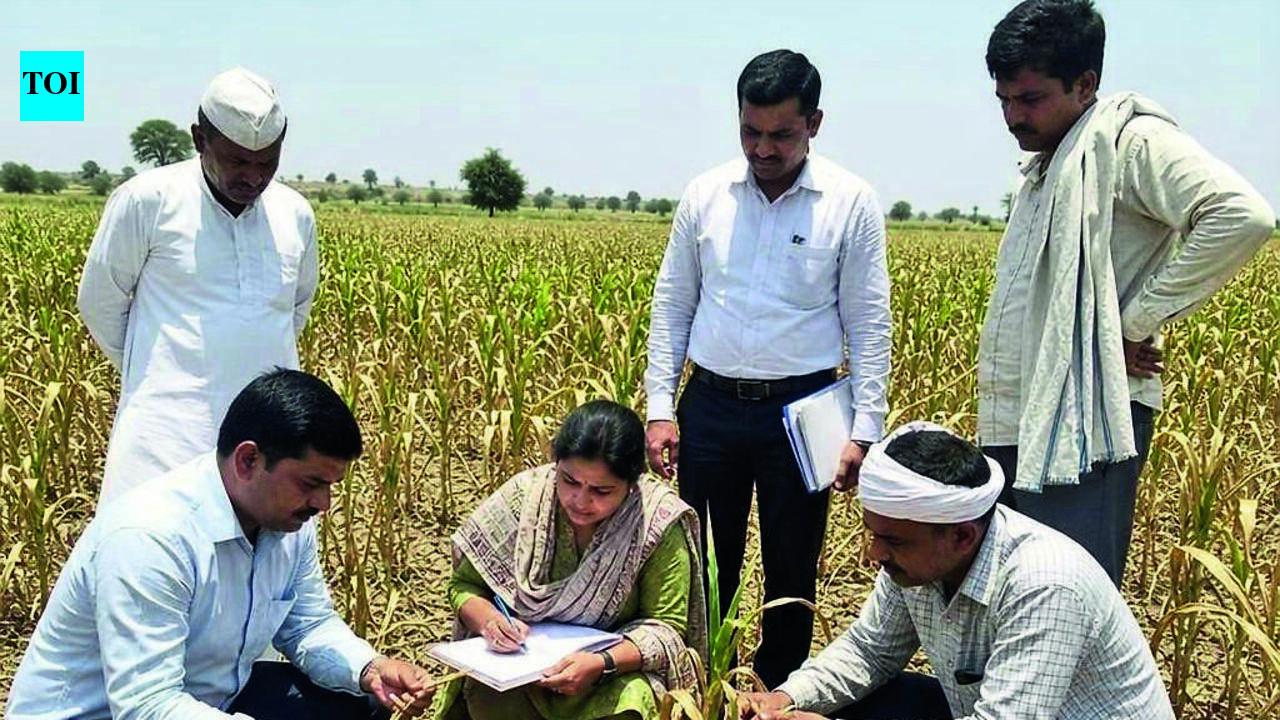
Agricultural authorities in the Indian state of Maharashtra are finalizing a comprehensive memorandum detailing extensive crop damage following a season marked by severe weather anomalies. The administration scaled up its assessment scope from an initial 35,000 locations to nearly three crore individual farm sites, reflecting the sheer scale of the agricultural crisis faced by local producers. The massive data collection drive involved detailed field inspections, locally known as panchanamas, to document the destruction wrought upon staple crops and cash crops alike.
The trigger for this unprecedented administrative effort lies in erratic monsoon patterns and severe precipitation deficits that plunged major farming regions into severe moisture stress. Consequently, the state government formally declared droughts in 305 tehsils, signaling a critical operational hurdle for millions of smallholder farmers. Prolonged dry spells during vital vegetative growth stages severely compromised expected yields across vast tracts of arable land, leaving cultivators grappling with acute financial distress and rising input costs without matching returns.
For agronomists and farm managers operating in vulnerable regions, managing such widespread climatic shocks underscores the vital need for robust risk mitigation strategies. When natural calamities strike on this scale, farm operations are immediately disrupted, halting investments in upcoming sowing seasons and limiting access to vital working capital. Crop insurance mechanisms and government disaster relief frameworks become the primary financial lifeline for growers attempting to settle outstanding debts with input suppliers and commercial lenders.
The forthcoming memorandum serves as the foundational document for requesting disaster relief funds from the central government, determining how financial compensation will be allocated to affected rural communities. Timely processing of these assessments directly influences the liquidity of local agricultural markets, as cash injections help restore purchasing power for fertilizers, seeds, and machinery ahead of the next planting cycle. Delays in aid disbursement, conversely, tend to cascade through the rural economy, stalling supply chains and depressing regional demand for agricultural technologies.
As climate volatility continues to challenge traditional farming systems across global agricultural hubs, efficient data collection methodologies remain a cornerstone of effective crisis management. The transition toward digital crop monitoring and rapid damage appraisal tools is becoming increasingly indispensable for governments and insurers striving to support growers through extreme weather events. The outcomes of Maharashtra's extensive field surveys will be closely watched by agricultural economists tracking recovery timelines in major production zones.
Context for farmers: Widespread drought declarations and subsequent relief memorandums highlight the critical importance of documenting yield losses thoroughly to secure government assistance and insurance payouts. Farmers in vulnerable zones must maintain precise records of input costs and field damage to navigate compensation claims successfully when extreme weather strikes.
— agronom.work editorial team