
Global Virtual Fencing Market Heats Up: Gallagher's eShepherd Challenges Halter
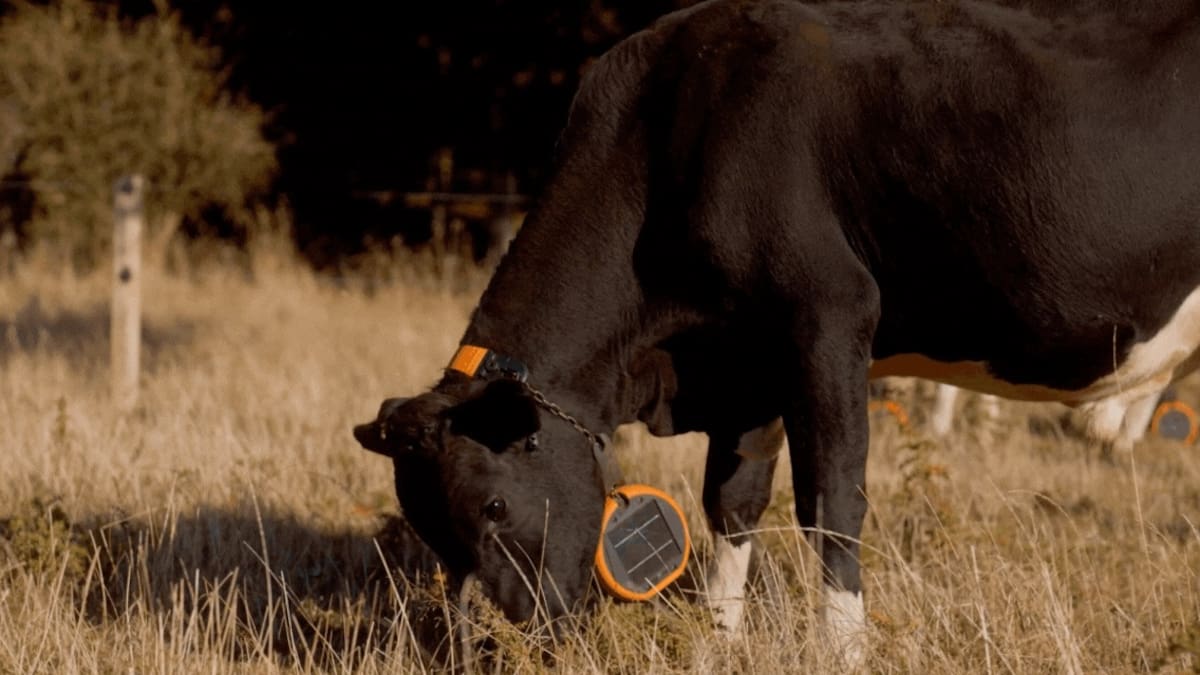
The traditional landscape of livestock farming is undergoing a massive transformation as physical fences are increasingly being replaced by digital boundaries. The global race to dominate the virtual fencing market is accelerating, with major agritech developers aggressively expanding their user bases. This technology, relying on GPS collars and audio-electric cues, offers a revolutionary approach to herd management, allowing farmers to control grazing patterns directly from their smartphones or computers.
The competition is intensifying between industry giants, notably Gallagher's eShepherd system and its rival Halter. Over the last financial year, approximately 3,000 farmers adopted the eShepherd platform, and the company reports growth of hundreds of new farming enterprises each month. Meanwhile, Halter has recently announced a significant milestone, deploying over one million of its smart collars. This rapid scale-up indicates that virtual fencing is no longer an experimental concept but a mainstream tool for modern agriculture.
For livestock operators, the appeal of these systems lies primarily in solving chronic labor shortages and reducing infrastructure costs. Maintaining, repairing, and moving physical fencing is one of the most time-consuming and physically demanding tasks on a cattle farm. By utilizing smart collars, farm workers can instantly shift grazing areas, optimize pasture rotation, and monitor individual animal health metrics without driving posts or stringing wire, drastically cutting down on operational hours.
Beyond labor savings, virtual boundaries are becoming essential tools for sustainable land management, a critical issue for European agricultural policies. Farmers can easily exclude cattle from sensitive riparian zones, wetlands, or newly seeded areas with a few clicks. This level of precise rotational grazing ensures better grass recovery, improves soil health, and helps farmers meet increasingly strict environmental and animal welfare regulations without investing heavily in permanent infrastructure.
Worth noting: As the competition between eShepherd and Halter drives down costs and improves the technology, European livestock producers should begin evaluating the ROI of smart collars for their own operations. Early adoption could provide a significant competitive advantage in maximizing pasture yield and managing labor constraints.
— agronom.work editorial team