
Mastering NPK Ratios: A Strategic Guide for Crop Productivity
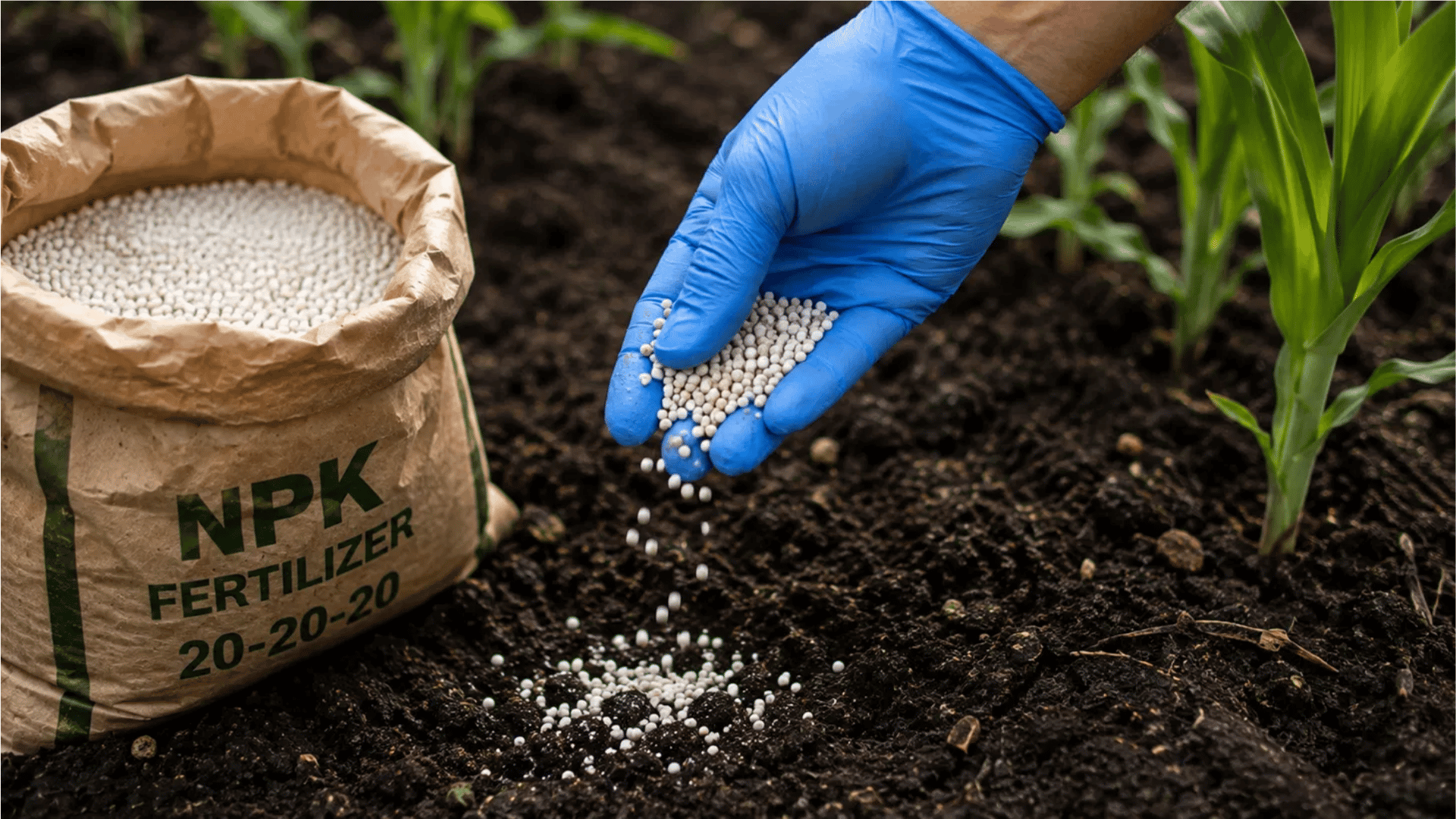
Every agronomist and farm manager knows that the three numbers printed on every fertilizer bag—Nitrogen, Phosphorus, and Potassium—are the heartbeat of crop nutrition. While often taken for granted, these ratios are the primary drivers of plant vigor, root development, and overall yield potential. Misunderstanding these numbers leads not only to wasted investment in inputs but also to nutrient leaching and soil imbalance.
Nitrogen (N) remains the most volatile component in modern fertilization strategies. It is essential for leafy growth and chlorophyll production. However, over-application, especially in spring, can lead to excessive vegetative growth at the expense of grain filling. Agronomists must calculate the N-budget based on soil nitrate testing to avoid environmental runoff and high nitrogen costs.
Phosphorus (P) is the engine behind early root establishment and energy transfer. In many European soils, P availability is often locked up due to pH levels. Farmers should prioritize P application during early growth stages. Knowing the specific NPK ratio allows for precise placement, ensuring that the plant receives energy exactly when it needs to bridge the gap between germination and rapid vegetative development.
Potassium (K) is the regulatory element for water uptake and enzyme activation. In the context of climate change and more frequent drought spells across the EU, K management is becoming the primary defense mechanism for crops. Adequate potassium levels improve stomatal regulation, helping plants survive dry periods that might otherwise decimate yields.
Context for farmers: Precision application based on accurate soil testing is the best way to optimize your NPK strategy. Rather than buying by volume, calculate your nutrient removal rates per hectare to select the specific NPK blend that maximizes ROI and minimizes chemical wastage.
— agronom.work editorial team